

Why Small Shifts Can Transform Your Home into a Calm Retreat
When I first moved into my downtown loft, the noise of traffic and the relentless buzz of notifications made my living space feel more like a revolving door than a sanctuary. I realized that comfort isn’t about a massive remodel; it’s about the tiny, intentional tweaks that align a home with the rhythm of your life. Over the years, I’ve collected a toolbox of low‑effort, high‑impact habits that have turned my own rooms from “just a place to crash” into a daily source of peace. Below, I’m sharing the most effective strategies I use, with practical steps you can start right now.
1. Redefine the Entryway – Your Home’s First Breath
The moment you step through the front door sets the tone for everything that follows. A cluttered entryway can amplify stress, while a purposeful layout invites calm.
- Design a drop zone. Install a small console or wall‑mounted shelf for keys, mail, and everyday accessories. Keep only the essentials; everything else belongs elsewhere.
- Introduce a grounding element. A sturdy mat made from natural fibers, a potted succulent, or a simple piece of artwork can signal that you’re transitioning from the outside world to a personal haven.
- Mindful lighting. Swap harsh overhead fixtures for a warm lamp with a dimmer. The softer glow signals to your brain that it’s time to unwind.
These adjustments take under ten minutes to set up, yet they reshape the mental entry point of your home.
2. Master the Art of Strategic Decluttering
Clutter is the physical manifestation of mental overload. Rather than a wholesale purge, I recommend a micro‑declutter approach—tackle one drawer, one shelf, or even one corner per day. Here’s how I keep the momentum:
- Set a timer. Give yourself 15 minutes. When the timer beeps, stop. The constraint prevents fatigue and makes the task feel doable.
- Three‑box rule. Label three boxes: Keep, Relocate, Donate. As you sort, immediately decide where each item belongs.
- Celebrate small wins. A tidy coffee table? Treat yourself to a favorite tea. Positive reinforcement builds habit.
When the process feels manageable, you’ll notice an unexpected ripple effect: other rooms start to feel lighter, too.
3. Create Zones That Respect Your Energy Flow
Most homes were built for a single purpose: sleeping, cooking, or entertaining. In a modern, multitasking world, we need spaces that support multiple activities without compromising focus. I use three guiding principles:
- Physical separation. Even a modest room divider or a tall bookshelf can delineate a work nook from a relaxation corner.
- Visual cues. Different rug textures, color palettes, or lighting styles signal to your brain which mode you’re entering.
- Acoustic comfort. Soft furnishings—think plush cushions or heavy curtains—absorb ambient noise, helping you stay present in each zone.
By aligning the environment with your intended activity, you reduce the mental cost of switching tasks.
4. Harness the Power of Simple, Sustainable Upgrades
Eco‑friendly choices don’t have to be pricey. A few thoughtful substitutions can lower your carbon footprint while enhancing comfort.
- Swap disposable wipes for reusable cloths. They’re soft on surfaces, easy to wash, and cut down on waste.
- Choose LED bulbs with warm color temperatures. They consume less electricity and emit a soothing glow.
- Upgrade faucet aerators. A small device that mixes air with water reduces flow without sacrificing pressure, saving both water and money.
These steps feel like “wins” you can brag about at your next dinner party, and they align your home with a broader sense of responsibility.
5. Bring Nature Inside—Without Going Overboard
Plants are the original air purifiers. Even a single, low‑maintenance greenery piece can uplift mood, improve air quality, and add a splash of life.
My go‑to selections include:
- Snake plant. Thrives on neglect, tolerates low light, and releases oxygen at night.
- Pothos. Grows quickly, tolerates irregular watering, and looks great draped from shelves.
- ZZ plant. Almost indestructible, perfect for those who travel frequently.
Place them near windows, on shelves, or even hang them from the ceiling to create a sense of depth.
6. Re‑think Your Kitchen Layout for Stress‑Free Cooking
Cooking should feel like a creative outlet, not a battlefield. I’ve applied three simple tweaks that transformed my kitchen from chaotic to calming:
- Designate a prep station. Keep a cutting board, knives, and frequently used spices within arm’s reach. This reduces unnecessary trips across the room.
- Use clear containers. Transparent jars for dry goods let you see when you’re running low, cutting down on surprise trips to the store.
- Implement a “clean as you go” habit. Wash utensils while food cooks. This prevents the dreaded pile‑up at the end of a meal.
Even if you don’t love cooking, these habits keep the space tidy and less stressful.
7. Leverage the Magic of Multi‑Purpose Furniture
When square footage is at a premium, furniture that serves dual roles becomes a game‑changer. I recently read an inspiring piece on transforming thrift finds into functional furniture, and it sparked a few ideas for my own space:
- Ottoman with hidden storage. Stash blankets, magazines, or even a spare set of sheets.
- Fold‑down desk. Perfect for a bedroom that doubles as a home office; when not in use, it tucks away neatly.
- Bench that doubles as a pet bed. Your furry friend gets comfort, and you gain extra seating for guests.
These pieces keep the room feeling airy while delivering practical storage.
8. Make Your Bathroom a Spa‑Like Retreat
Our bathrooms are daily touchpoints for self‑care. Small upgrades can turn a routine wash into a mini‑retreat.
Consider adding:
- Soft, moisture‑wicking towels. They feel luxurious and dry faster, reducing mildew.
- A scented candle or essential oil diffuser. Choose calming scents like lavender or eucalyptus to signal relaxation.
- Non‑slip, textured mats. Safety meets comfort, especially after a hot shower.
For those looking to go a step further, I recommend reading about rethinking bathroom habits for less waste. Even simple changes, like switching to a refillable soap dispenser, can make a big impact on both your mood and the planet.
9. Turn Your Outdoor Space into a Living Sanctuary
Even a modest balcony or patio can become a restorative zone. Inspired by ideas from turning your garden into a thriving habitat, I started with three easy steps:
- Layered planting. Use containers of varying heights to create visual interest and attract pollinators.
- Introduce seating. A simple rattan chair with a plush cushion invites you to sit, sip tea, and breathe.
- Incorporate water. A small tabletop fountain adds soothing sound without the need for a full pond.
The result? A pocket of serenity where I can unwind after a hectic day, and a space that feels alive with birds and butterflies.
10. Optimize Lighting for Mood Without Tech Overload
Lighting is the unsung hero of home ambiance. While smart bulbs are popular, you don’t need a Wi‑Fi hub to enjoy the benefits of good illumination.
- Layered lighting. Combine ambient ceiling fixtures, task lighting for reading, and accent lights for artwork.
- Use warm color temperatures (2700–3000K). They create a cozy atmosphere, especially in the evenings.
- Consider dimmers. A manual pull‑chain or slide dimmer gives you control without the complexity of an app.
Experiment with different combinations to discover which setup best supports your daily rhythms.
11. Establish a Night‑Time Reset Routine
Ending the day with a predictable routine signals to your nervous system that it’s time to unwind. My simple sequence includes:
- Dim lights an hour before bed. This cues melatonin production.
- Swap screens for a paperback. The tactile experience of turning pages eases mental fatigue.
- Gentle stretching or breathing exercises. Even five minutes can lower cortisol levels.
- Prep for tomorrow. Lay out clothes and jot a quick to‑do list, clearing mental clutter.
Consistency is key; after a week, you’ll notice a smoother transition into restful sleep.
12. The “One‑Touch” Rule for Everyday Items
When you need something—a pen, a charger, a pair of scissors—how many places do you search? The “one‑touch” rule means every frequently used item has a single, designated spot. This eliminates the “where did I put that?” loop and reduces friction in daily life.
Implementation tips:
- Use decorative bowls for keys and wallets.
- Install a small charging station on a nightstand.
- Place a sleek tray near the kitchen island for cooking utensils.
The visual cue of a dedicated home for each item frees mental bandwidth for more important tasks.
13. Celebrate Progress, Not Perfection
Finally, remember that home transformation is a marathon, not a sprint. Celebrate each tweak—whether it’s a cleaner countertop or a newly thriving plant. By focusing on incremental victories, you keep motivation high and avoid the paralysis that comes from trying to overhaul everything at once.
Implementing these strategies has turned my own living quarters into a sanctuary that supports productivity, relaxation, and sustainable living. I hope you find at least a few ideas that resonate with your lifestyle. Small, intentional changes can ripple out, creating a home that truly feels like a refuge.

Jody Henderson is a passionate freelance writer, driven by a love for storytelling and a keen eye for detail. With a versatile skillset, she crafts compelling content across a variety of niches, from engaging blog posts to informative articles and persuasive marketing copy.
Related Posts

Curating a Rotating Home Gallery: Fresh Looks Without the Clutter
Discover a step‑by‑step guide to turning every wall into a rotating gallery, using flexible hang... Read More
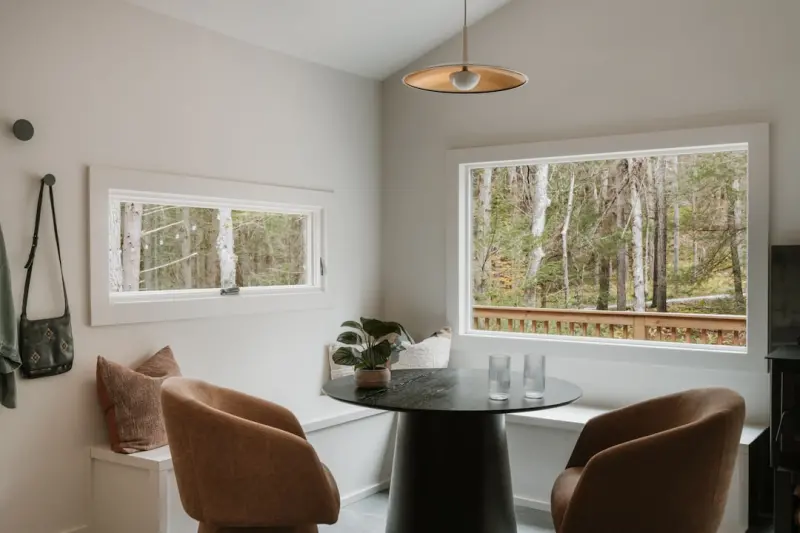
Quiet Corners: Transform Your Home Into a Stress‑Free Sanctuary
Learn how to quiet your space with smart window treatments, soft flooring, strategic furniture, and ... Read More
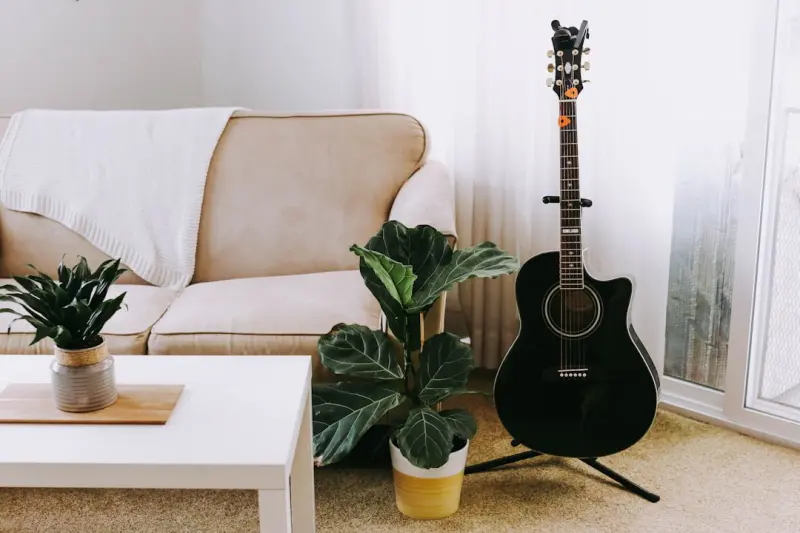
Quiet‑Friendly Home Makeover: DIY Acoustic Hacks for Any Space
Transform your living space into a hush‑friendly sanctuary with simple, affordable acoustic tricks... Read More
Top Posts

Pocket Gardens: Transform Tiny Spaces into Lush Retreats
Pocket gardens turn modest nooks into vibrant retreats, offering mental health benefits, fresh herbs, and sustainable style—all in a compact, budget‑friendl...Read More

How to Turn Employee Resource Groups into Career Accelerators
Learn to use Employee Resource Groups as a powerful platform for skill building, networking, and leadership, turning community participation into measurable car...Read More

Creating Calming Nooks: Low‑Tech Strategies for Home Focus
A practical guide to crafting low‑tech calming corners in your home, using everyday items and mindful design to enhance focus and well‑being....Read More

When Algorithms Feel: Building Empathy into AI Systems
Empathy is the missing link between AI efficiency and human trust. This article explains how to teach machines to sense, understand, and act on emotions, outlin...Read More
0 Comments
Post Comment
You will need to Login or Register to comment on this post!