
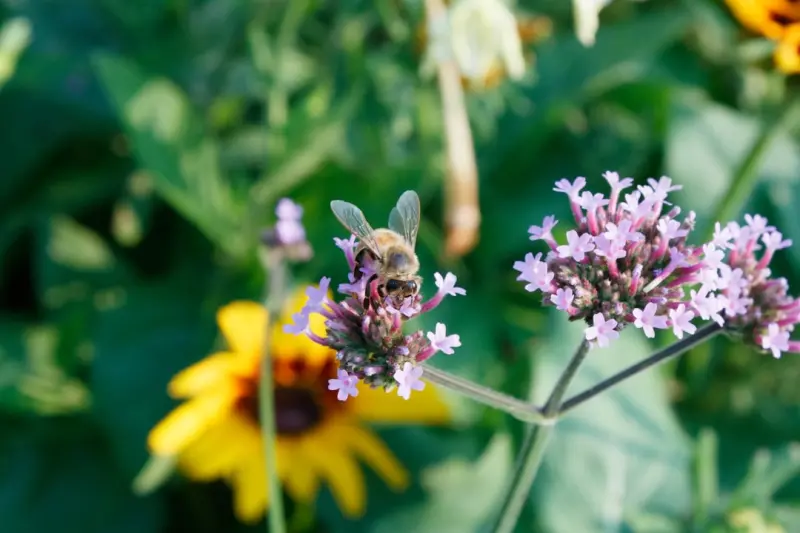
Why a Pollinator‑Friendly Garden Is the Secret Weapon for a Thriving Home Landscape
When you step outside and hear the gentle hum of bees or the delicate flutter of butterflies, you’re witnessing a tiny ecosystem at work, and it can transform the entire feel of your property. A garden designed with native pollinators in mind does more than just look pretty; it creates a resilient food web that naturally wards off pests, improves soil health, and even boosts the yield of any edible plants you may have tucked away in corners. By choosing a palette of nectar‑rich perennials, hardy shrubs, and low‑maintenance grasses, you invite a chorus of beneficial insects that turn your yard into a living, breathing laboratory of biodiversity. Investing in pollinator habitats is a low‑cost, high‑impact strategy that rewards you with vibrant colors, fragrant breezes, and the quiet satisfaction of knowing you’re supporting the planet’s most vital workers.
Choosing the Right Native Plants for Maximum Attraction
The backbone of any pollinator sanctuary is the selection of plants that thrive in your climate and provide continuous bloom from early spring through late fall. Start with early‑season bloomers like native columbine and prairie clover, which offer critical pollen for emerging bees. Follow with mid‑season staples such as coneflower, bee balm, and black-eyed Susan, whose tubular flowers are perfect for butterflies and hummingbirds. Finally, round out the calendar with late‑blooming asters and goldenrod, ensuring that no gap in nectar availability exists. By grouping plants with similar water and sun requirements, you create micro‑zones that reduce maintenance while maximizing visual impact. Remember, the goal is not just diversity but strategic layering that keeps the garden alive and buzzing all year long.
Designing Micro‑Habitats: From Bee Hotels to Butterfly Shelters
Beyond flowering plants, pollinators need safe places to rest, breed, and seek refuge from predators and weather extremes. Installing a simple bee hotel—essentially a stack of drilled wood blocks or hollow reeds—provides solitary bees with nesting chambers that are often harder to find than nectar sources. For butterflies, a sunny, wind‑protected rock pile or a stack of flat stones offers basking spots where they can warm up before taking flight. Even a modest pile of leaf litter can become a ground‑nesting haven for beetles that later become food for birds, completing the loop of ecological benefit. When you thoughtfully place these micro‑habitats near water features or within sightlines of the main planting beds, you create a seamless network that encourages movement and pollination across the entire yard.
Water Features: A Magnet for Life and a Low‑Maintenance Oasis
Incorporating a shallow water source—whether a birdbath, a reclaimed clay saucer, or a modest recirculating fountain—does more than add visual appeal; it provides essential hydration for insects, amphibians, and birds alike. Position the water element near clusters of flowering plants but away from direct wind paths to minimize splash and evaporation. A simple trick to keep the water clean without chemicals is to add a few floating aquatic plants like duckweed, which naturally filter and shade the surface, reducing algae growth. By maintaining a clean, shallow basin, you invite dragonflies that prey on mosquito larvae, further enhancing the garden’s pest‑control capabilities. The gentle sound of moving water also adds a soothing soundtrack, turning your pollinator garden into a multi‑sensory retreat.
Soil Health: The Unseen Foundation of a Vibrant Pollinator Garden
Healthy soil is the unsung hero that fuels robust plant growth, which in turn sustains pollinator populations. Begin by testing your soil’s pH and nutrient levels; most native pollinator plants prefer a slightly acidic to neutral range (pH 6.0‑7.0). Amend the bed with well‑rotted compost, leaf mold, or aged manure to improve structure and moisture retention. Mulching with shredded hardwood bark or pine needles not only suppresses weeds but also provides a habitat for ground‑dwelling beetles that serve as food for birds and other wildlife. Periodically aerate the soil with a garden fork to prevent compaction, especially in high‑traffic areas near pathways. By nurturing the soil, you set the stage for plants to flourish without the need for synthetic fertilizers, reinforcing the garden’s sustainable ethos.
Integrating Edible Elements Without Compromising Aesthetic Appeal
One of the most rewarding aspects of a pollinator garden is the seamless blend of beauty and bounty. Incorporate fruit‑bearing shrubs like serviceberry or elderberry, whose blossoms attract a plethora of insects before yielding edible berries for you and wildlife. Herbaceous perennials such as lavender and sage not only provide nectar but also double as culinary staples, allowing you to harvest fresh flavor straight from the garden. When planting, consider the visual rhythm: intersperse ornamental grasses and flowering vines to create layers of texture that hide the practical purpose behind a decorative façade. This approach ensures that the garden remains a focal point for gatherings while delivering fresh produce for your kitchen, embodying the principle of form meeting function.
Seasonal Maintenance Made Simple: A Calendar of Minimal Tasks
Maintaining a pollinator garden doesn’t require daily attention; a well‑planned schedule can keep it thriving with just a handful of chores each month. In early spring, clear any winter debris and prune back dead stems to encourage vigorous new growth. Mid‑season, deadhead spent blooms to extend the flowering period and prevent self‑seeding of invasive species. Late summer is the perfect time to divide clumps of perennials, which rejuvenates their vigor and reduces overcrowding. In the fall, apply a thin layer of leaf mulch to protect roots from temperature swings, and consider sowing a batch of native seed for next year’s early‑season display. By aligning tasks with natural growth cycles, you reduce labor while maximizing ecological benefits.
Measuring Success: Simple Ways to Track Pollinator Activity
Seeing the fruits of your labor is one thing; quantifying it adds a layer of motivation that keeps you engaged season after season. Start a basic observation log: note the date, weather conditions, and the species of insects you see visiting each plant. Photographic documentation can be especially powerful; a series of time‑lapse images shows how the garden evolves and how pollinator traffic intensifies. For a more scientific approach, consider installing a simple pan trap—just shallow dishes filled with soapy water—to capture a snapshot of the insect diversity present. Share your findings on community forums or local garden clubs; not only does this contribute valuable citizen‑science data, but it also connects you with like‑minded gardeners who can offer fresh ideas and encouragement.
Linking to Related Inspiration and Resources
To deepen your pollinator garden journey, explore other green‑focused projects on our site. For a compact solution that extends growing seasons, check out Mini‑Greenhouses: Bringing Year‑Round Harvests to Urban Spaces, which offers clever ways to protect tender plants during cooler months. If you’re curious about integrating culinary herbs without overwhelming the space, the guide on Designing a Backyard Herb Spiral provides a space‑saving blueprint that complements pollinator habitats beautifully. These resources, combined with the strategies outlined above, empower you to craft a garden that not only dazzles the eye but also serves as a thriving sanctuary for the essential pollinators that keep our ecosystems humming.

Jimmy Damon loves to right on a large scale of topics with all things Canadian as this Montreal die hard loves hockey. fishing and sports.
Related Posts

Cultivating Success: How My Garden Desk Transformed Home Life and Productivity
From sunrise brainstorming to seasonal décor, learn how a garden desk turned my backyard into a pro... Read More
Edible Elegance: Turning Your Garden Into a Culinary Canvas
Discover how to redesign your garden as a living pantry, using companion planting, smart irrigation,... Read More

From Window Sills to Rooftops: The Rise of the Miniature Urban Farm
Learn step‑by‑step how to transform a modest balcony or windowsill into a productive urban farm,... Read More
Top Posts
Garden Desks: The Home & Garden Trend Redefining Work and Wellness in 2026
Explore the rise of garden desks in 2026—how outdoor workspaces boost creativity, wellness, and professional edge, with design tips and sustainability insight...Read More

Smart Grooming: Tech Meets Personal Care
Discover how sensor‑enabled devices, AI‑driven insights, and micro‑biome‑friendly products are reshaping personal care for busy professionals, turning g...Read More

When AI Hallucinations Slip Into SaaS: Guarding Trust and Revenue
AI hallucinations can silently erode trust in B2B SaaS platforms. This post explores why they happen, their hidden costs, and a step‑by‑step playbook—RAG,...Read More
Year‑Round Kitchen Gardening: Fresh Flavors from Tiny Spaces
Learn to transform balconies, windowsills, and kitchen corners into thriving year‑round gardens, delivering fresh herbs, greens, and veggies straight to your ...Read More
0 Comments
Post Comment
You will need to Login or Register to comment on this post!