
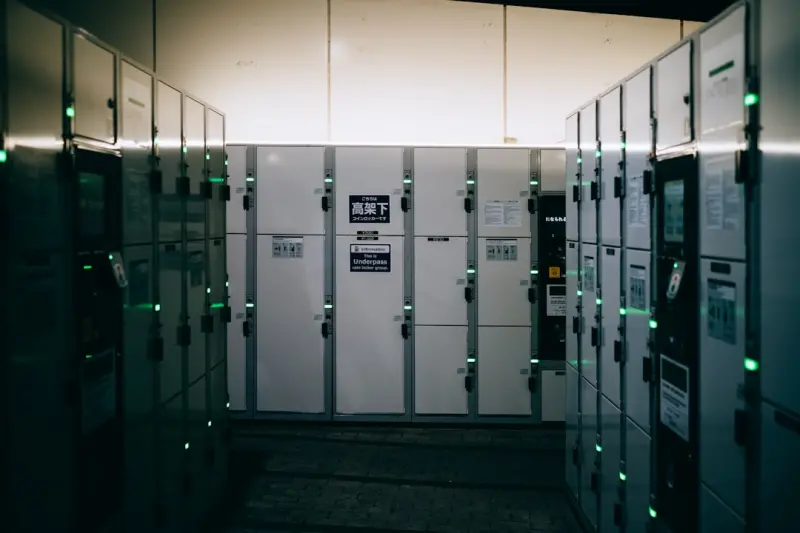
Re‑engineering Your Living Space: The Home Power Grid Approach
When I first moved into my downtown loft, I felt like I was juggling three separate jobs inside four walls: a remote‑work manager, a family chef, and a weekend hobbyist. The chaos wasn’t the square footage—it was the lack of a purposeful layout. I learned, the hard way, that a home isn’t just a place to crash; it’s a personal power grid that can channel energy, focus, and joy if you map it correctly. In this post I’ll walk you through a fresh, systematic way to redesign any home—big or small—into a high‑efficiency hub that supports work, wellness, and wonder.
1. Map Your Energy Zones
Think of your house as a circuit board. Each room or nook can serve as a zone that either generates, distributes, or buffers energy. The first step is to identify three core zones that align with your daily rhythm:
- Command Center – the place where you plan, prioritize, and process information. For many, this is a home office or a dedicated desk.
- Flow Zone – the area where you execute tasks that require concentration, whether it’s coding, writing, or crafting.
- Recharge Hub – a sanctuary for winding down, refueling, and resetting your nervous system.
Sketch a quick floor plan on paper or a free digital tool. Mark where each zone will sit, remembering that proximity matters: the Command Center should be adjacent to the Flow Zone, while the Recharge Hub benefits from a visual or acoustic buffer.
2. Wire the Physical Infrastructure
Once the zones are plotted, the next step is to “wire” them with the right physical assets. Here’s a checklist to make sure each zone gets the tools it needs:
- Power Management – Install surge‑protected power strips with USB ports in the Command Center. In the Flow Zone, consider a smart plug that can schedule equipment like a monitor or desk lamp.
- Lighting Layers – Use a combination of ambient, task, and accent lighting. A daylight‑simulating lamp in the Command Center reduces eye strain, while a warm, dimmable fixture in the Recharge Hub signals “time to relax.”
- Acoustic Treatment – Add low‑cost acoustic panels or heavy curtains to the Flow Zone to mute background noise. A simple green wall can double as a visual and sound buffer.
- Cable Management – Velcro straps, cable clips, and under‑desk trays keep cords tidy and prevent tripping hazards.
- Ergonomic Furniture – An adjustable chair and sit‑stand desk in the Flow Zone keep posture healthy, while a comfortable lounge chair with a footrest rounds out the Recharge Hub.
3. Optimize the Flow Zone for Deep Work
The Flow Zone is where the magic happens. To protect this space from distraction, consider the following strategies:
- Digital Declutter – Use a focus‑timer app that blocks social media for set intervals. Pair it with a physical “do‑not‑disturb” sign for visitors.
- Visual Minimalism – Keep only essential items on the desk. A single notebook, a pen, and your primary device are enough to keep the mind uncluttered.
- Ambient Soundscapes – Play low‑volume white noise or nature sounds to mask sudden interruptions. If you have a Bluetooth speaker, set a timer to fade out after 90 minutes, prompting a natural break.
- Temperature Control – Aim for a steady 68‑71°F (20‑22°C). A small fan or portable heater can fine‑tune the environment without overhauling the whole HVAC system.
4. Build a Command Center That Sparks Productivity
Most of us think a home office is just a desk, but a true Command Center is a command post. Here’s how to turn a corner of a room into an operational hub:
- Visual Dashboard – Hang a whiteboard or magnetic board for daily priorities, deadlines, and quick notes. A visual cue keeps the brain aligned with tasks.
- Digital Integration – Sync your calendar, to‑do list, and email into a single interface. Tools like Notion or Trello can act as a “single source of truth.”
- Physical Mail Station – Allocate a tray for incoming papers, invoices, and receipts. Process them in batches to avoid constant interruptions.
- Smart Lighting – Program a light to gradually brighten as your workday begins, mimicking natural sunrise and cueing your brain to wake up.
5. Design a Recharge Hub That Actually Recharges
All the productivity in the world won’t matter if you can’t unwind. The Recharge Hub should be a sanctuary that engages the senses without overstimulating them. Consider these elements:
- Texture Layering – Soft throws, plush pillows, and a woven rug invite tactile comfort. A tactile contrast to the sleek surfaces of the Command Center helps signal a shift in mindset.
- Scents & Plants – A modest pot of lavender or a small indoor herb garden can release calming aromas. If you’re not a fan of strong fragrances, opt for a subtle essential oil diffuser set on a timer.
- Tech‑Free Zone – Keep phones, laptops, and smart speakers out of this area. Instead, place a bookshelf, a journal, or a puzzle to engage the mind in low‑stakes activity.
- Lighting Reset – Use a dimmable floor lamp with a warm color temperature (around 2700K) to cue melatonin production in the evening.
6. Leverage Multi‑Functional Furniture for Small Spaces
If square footage is at a premium, think vertically and horizontally. Here are a few tricks I’ve tested in my own apartment:
- Fold‑out Desks – Wall‑mounted desks that fold up when not in use free floor space for yoga or dancing.
- Ottoman Storage – Use a padded ottoman that opens to store blankets, board games, or even a portable monitor.
- Staircase Shelving – Install shallow shelves along the side of a staircase to house books, plants, or decorative items without sacrificing floor area.
- Convertible Seating – A sofa that transforms into a guest bed eliminates the need for a separate guest room.
7. Automate Routine Tasks to Free Mental Bandwidth
Automation isn’t just for corporate workflows; it can be a home super‑power. A few simple automations can shave minutes off your day:
- Smart Thermostat Schedules – Program temperature changes based on your work and sleep cycles. No more adjusting the dial each morning.
- Voice‑Activated Light Scenes – Set up a “Focus” scene that turns on the desk lamp, dims ambient lights, and starts a 90‑minute timer with a single command.
- Meal‑Prep Reminders – Use a smart speaker to announce when it’s time to start cooking, pulling up a recipe from your favorite app.
8. Conduct a Monthly “Power Grid” Audit
Just like a server needs regular maintenance, your home grid benefits from a periodic check‑in. Set aside 30 minutes at the start of each month to:
- Review the effectiveness of each zone—are you spending too much time in the Command Center and not enough in the Recharge Hub?
- Adjust lighting schedules based on seasonal daylight changes.
- Rotate decorative elements (like artwork or plants) to keep visual interest high.
- Re‑evaluate tech tools; retire any software that no longer serves a purpose.
During my own audits, I discovered that my Flow Zone lighting was too harsh, causing eye fatigue after two hours. A quick swap to a warmer LED strip solved the problem without any major expense.
9. Connect Your Grid to the Wider Community
Home isn’t an island. A small but powerful habit is to share one tip from your power grid with a neighbor or friend each week. This creates accountability and sparks fresh ideas. For instance, after reading the quick nightly home reset article, I introduced a 5‑minute “light‑off” ritual to my building’s community board, and several residents reported improved sleep.
10. Future‑Proofing: Scaling the Grid as Life Changes
Life is fluid—remote work may become hybrid, a new child could arrive, or you might start a home‑based side hustle. Your power grid should be adaptable. Keep a modular mindset:
- Use movable furniture on wheels so zones can be reconfigured without renovation.
- Invest in plug‑and‑play smart devices that integrate easily with new platforms.
- Maintain a “flex space” that can transition from a playroom to a conference area with a simple rearrangement of chairs.
By building a flexible, zone‑based system, you’ll find that your home can evolve alongside your goals without feeling chaotic.
In sum, treating your residence as a power grid—where each zone generates, distributes, or recharges energy—lets you reclaim control over the daily ebb and flow. The result is a home that not only looks good but works for you, day after day. Ready to start mapping? Grab a pen, sketch your zones, and let the transformation begin.

Brad Hays is a freelance writer known for his versatile skill set and ability to craft compelling content across a wide range of industries.
Related Posts

Turn Your Bathroom into a Budget Spa Retreat
Discover step‑by‑step tips to create a budget‑friendly spa‑inspired bathroom, from lighting ... Read More
The Quiet Power of Passive Home Design: Boost Comfort Without Major Renovations
Learn how small, intentional tweaks—like optimizing natural light, improving airflow, creating aco... Read More
Upcycled‑Furniture Home Office: Turning Second‑Hand Finds Into a Productivity Hub
Discover a step‑by‑step plan to create a high‑performing home office using reclaimed furniture... Read More
Top Posts

Sleep in the Stream: Reclaiming Rest in a Binge‑Watching Culture
A deep dive into how constant streaming and screen exposure sabotage sleep, and actionable tips to restore restful nights without ditching your favorite shows....Read More

Biofeedback Wearables: Your Real‑Time Stress Coach
Learn how to use biofeedback wearables as a real‑time stress coach, interpreting heart‑rate variability and other signals to trigger simple, effective actio...Read More

Rail Revival: Why Trains Are the New Frontier for Conscious Travelers
Discover how rail travel blends sustainability, community, and mindful experiences, turning the journey itself into a destination worth savoring....Read More

Why My Garden Desk Is the Hottest Home & Garden Trend of 2024
Rose DesRochers reveals why garden desks are reshaping home productivity, offering a sustainable, wellness‑focused workspace that blends nature with modern wo...Read More
0 Comments
Post Comment
You will need to Login or Register to comment on this post!