
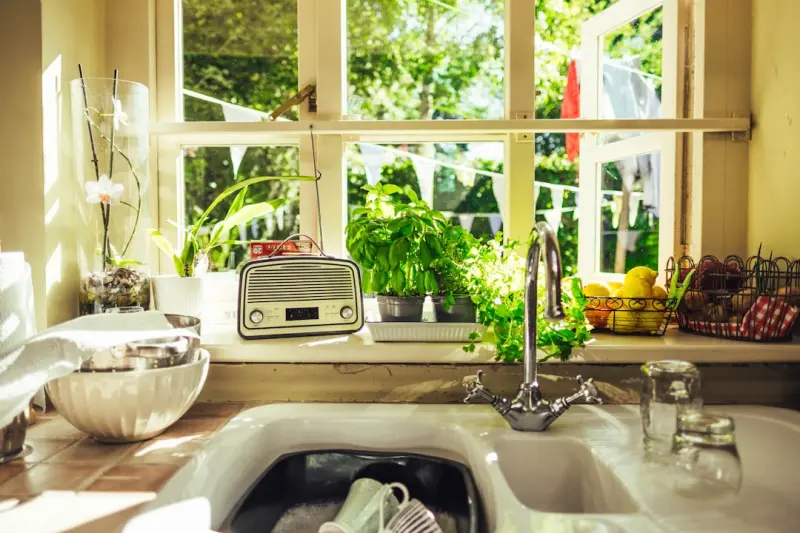
Why a Kitchen Herb Garden Belongs in Every Home
Ever since I discovered the intoxicating scent of basil slipping from a sun‑warmed pot, I’ve treated my kitchen countertop like a miniature greenhouse, where each sprig feels like a tiny victory against bland meals and stale indoor air. Fresh herbs are more than garnish; they are living flavor factories that transform a simple dish into something unforgettable while simultaneously boosting morale with their verdant presence. The act of tending to them becomes a daily ritual that grounds me, reminding me that even in a bustling household, a moment of quiet growth can nourish both palate and spirit.
Choosing the Perfect Spot and Containers
Finding the right niche for your herb garden starts with observing light patterns; a south‑facing windowsill that bathes in six to eight hours of sunshine is the sweet spot for most Mediterranean herbs, while lower‑light lovers like mint and parsley can thrive on a bright east‑facing sill. I love pairing sleek, shallow trays with reclaimed wood boxes, because the contrast of modern design and rustic texture feels just right in my kitchen aesthetic, and you can even explore upcycled containers for a budget‑friendly, eco‑conscious twist. Once the vessels are chosen, line them with a breathable fabric to prevent waterlogging and give roots the breathing room they crave.
Crafting a Nutrient‑Rich Soil Mix
Commercial potting mixes often contain peat, which is unsustainable, so I blend my own formula of coconut coir, composted leaf mold, and a handful of perlite to achieve a light, airy medium that retains moisture without becoming soggy. Adding a weekly splash of homemade compost tea infuses the soil with beneficial microbes, encouraging stronger root systems and reducing the need for synthetic fertilizers. This organic approach not only respects the planet but also yields herbs with a cleaner, more robust flavor profile that truly shines in the kitchen.
Selecting Herbs for Culinary and Medicinal Joy
When I first stocked my garden, I focused on a core trio—basil, thyme, and rosemary—because their versatility spans sauces, roasted vegetables, and aromatic teas, making them indispensable staples. I then layered in specialty herbs like lemon balm for calming infusions and oregano for its immune‑boosting properties, creating a garden that feeds both palate and wellbeing. By grouping herbs with similar water and light needs, you simplify care routines and set the stage for a harmonious, low‑stress growing environment.
Smart Maintenance: Watering, Pruning, and Natural Pest Control
Consistent moisture is the lifeblood of an indoor herb garden; a simple rule of thumb is to water when the top inch of soil feels dry, using a spray bottle for delicate seedlings to avoid dislodging roots. Pruning early and often not only prevents legginess but also stimulates bushier growth, and the trimmed tops can be immediately harvested for cooking. For pests, I turn to neem oil and a sprinkle of crushed rosemary leaves, which deter aphids and spider mites without harming beneficial insects or contaminating the herbs.
Harvesting and Preserving the Bounty
Peak flavor arrives just before a plant flowers, so I snip leaves in the early morning when essential oils are most concentrated, immediately enhancing any dish with a burst of freshness. To extend the harvest, I dry rosemary sprigs in a low‑heat oven and store them in airtight jars, while basil and mint find new life as infused oils that double as salad dressings and aromatherapy boosters. These preservation methods not only reduce waste but also keep your kitchen stocked with fragrant, ready‑to‑use ingredients year‑round.
The Air‑Purifying Power of Herbs
Beyond culinary perks, many herbs act as natural air filters; rosemary, for instance, can capture volatile organic compounds, while mint releases menthol that refreshes stale indoor air. Placing aromatic pots near high‑traffic zones creates a subtle, continuous scent that eases stress and improves focus, turning your cooking space into a wellness sanctuary. I often pair a pot of lemon verbena with a small diffuser, allowing the citrusy aroma to mingle with the natural fragrance of the garden for an uplifting ambiance.
Styling Your Herb Garden as a Design Feature
Integrating the garden into your home décor is where function meets fashion; I love arranging a tiered rack of matte‑black ceramic pots for a sleek, modern look, while a reclaimed copper watering can adds a rustic charm that echoes the garden’s earthy roots. For those with limited counter space, a wall‑mounted vertical herb rack transforms empty tiles into a living artwork, turning the act of watering into a mindful pause. By choosing containers that echo your kitchen’s color palette, the herb garden becomes an organic extension of the overall design.
Seasonal Adjustments and Year‑Round Harvest Strategies
As daylight wanes, I swap sun‑loving basil for shade‑tolerant herbs like cilantro and chives, and supplement natural light with a compact LED grow lamp set to a 12‑hour cycle, ensuring the plants continue photosynthesizing efficiently. Adjusting watering frequency—reducing it by half during cooler months—prevents root rot and mimics the plants’ dormant phase. With these seasonal tweaks, your indoor garden remains productive and vibrant, offering fresh herbs for soups, teas, and remedies no matter the calendar season.

When it comes to the world of blogging and writing, Rose DesRochers is a name that stands out. Her passion for creating quality content and connecting with her audience has made her a trusted voice in the industry. Aside from her skills as a writer and blogger, Rose is also known for her compassionate nature.
Related Posts
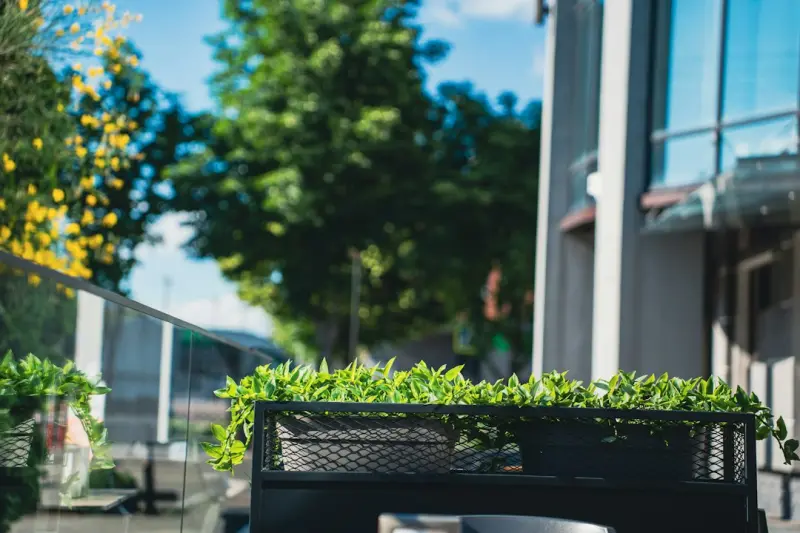
From Balcony to Bounty: Turning Tiny Outdoor Spaces into Year‑Round Food Oases
Discover step‑by‑step strategies to turn a modest balcony into a productive food oasis, from ass... Read More

Unlocking Your Backyard’s Hidden Microclimates for a Thriving Garden
Learn to identify and harness the subtle sun, shade, wind, and moisture zones in your yard, matching... Read More

Why My Garden Desk Is the Secret to a Thriving Home & Garden Life
A personal look at how turning a backyard into a garden office can transform productivity, mental he... Read More
Top Posts

Cold Water Immersion: Unlocking Natural Resilience and Vitality
Explore the science behind cold water immersion and learn practical steps to safely integrate this ancient practice into modern life for immune, metabolic, and ...Read More

Soundproof Your Sanctuary: Practical Home Acoustics Hacks
Learn how to tame unwanted noise with affordable tweaks, DIY acoustic panels, strategic furniture placement, and digital boundaries, turning any room into a qui...Read More

Crafting a Personal Brand That Supercharges Your Career
Learn how to craft an authentic narrative, leverage social platforms, and showcase real projects to turn your personal brand into a career‑accelerating engine...Read More
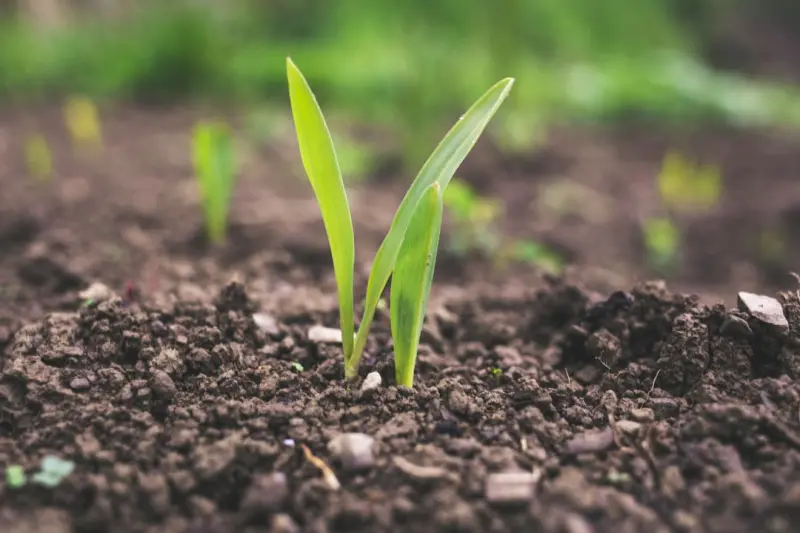
The Secret Life of Soil: Turning Your Yard into a Living Laboratory
Discover a fresh approach to gardening by treating your yard as a living laboratory. Learn to test soil, design modular plots, gather data, and turn experimenta...Read More
0 Comments
Post Comment
You will need to Login or Register to comment on this post!