
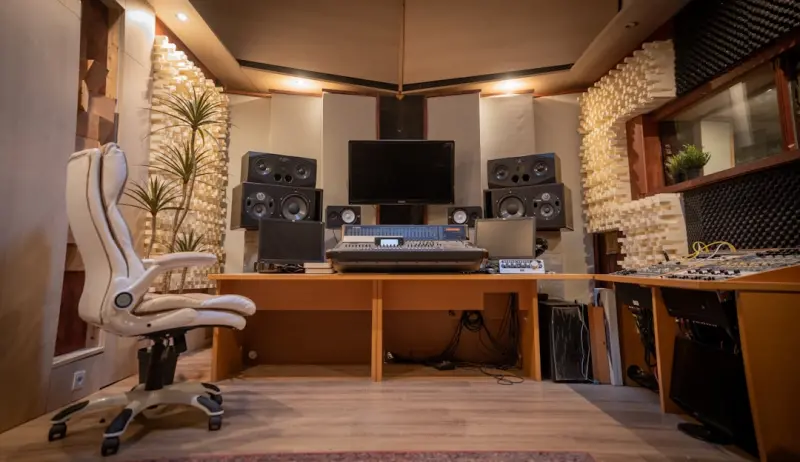
Ever walked into your living room after a long day and felt like you were stepping into a bustling café? The clatter of dishes, the hum of the refrigerator, the faint thrum of traffic outside—suddenly, “home” feels more like a public arena than a sanctuary. I’ve been there, and after years of juggling remote work, kids’ homework, and a never‑ending playlist of Zoom calls, I learned that mastering the acoustics of my own house is a game‑changer for both productivity and peace.
Why the Sound of Home Matters
Sound is invisible, but its impact is tangible. A noisy environment can spike cortisol, disrupt focus, and even affect our sleep cycles. In the same way that screen time affects our skin and stress levels, ambient noise can hijack our mental bandwidth, leaving us frazzled before we even sit down at the kitchen table. The good news? Most of the noise that invades our space is controllable, and you don’t need a professional acoustic engineer to tame it.
Getting to Know Your Home’s Noise Profile
Before you start slapping foam panels on every wall, spend a few minutes listening. Turn off the TV, step away from the kitchen, and ask yourself:
- Which rooms echo the most?
- Do I hear street traffic more clearly from certain windows?
- Are there particular times of day when the house feels louder?
Jot down your observations. This “noise diary” will guide you toward the most effective interventions and prevent you from spending time—and money—on fixes that won’t move the needle.
The Science of Sound in Simple Terms
Sound travels in waves. Hard, flat surfaces (like bare walls or glass) reflect those waves, amplifying echo. Soft, porous materials (think curtains, rugs, and upholstery) absorb them, reducing reverberation. By strategically placing absorptive elements, you can turn a cavernous echo chamber into a cozy cocoon.
Two key concepts to keep in mind:
- Reflection: The louder the bounce, the louder the room feels.
- Transmission: How much sound slips through walls, doors, and windows.
Targeting both will give you a well‑rounded reduction in unwanted noise.
Quick Wins: Low‑Cost Tweaks That Make a Big Difference
If you’re looking for fast, budget‑friendly results, start with these five “quick win” adjustments.
1. Seal the Gaps
Doors and windows are the primary culprits for sound leakage. Install weatherstripping around door frames and use draft stoppers at the bottom of entry doors. A simple door sweep can cut hallway echo by up to 30%.
2. Lay Down Soft Surfaces
Hard floors amplify footfalls. Lay area rugs or runner mats, especially in high‑traffic zones like hallways and kitchens. If you’re feeling crafty, a hallway power zone can double as an acoustic buffer and a visual boost.
3. Hang Thick Curtains
Heavy drapes not only block sunlight but also dampen sound that tries to sneak in from the street. Opt for linen or cotton blends with a dense backing for the best absorption.
4. Add Soft Furniture
Upholstered chairs, sofas, and even plush floor cushions act like sponges for sound. Rearranging a couch to face the busiest wall can significantly reduce echo.
5. DIY Acoustic Panels
Cover a sturdy frame with fabric and fill it with recycled denim or mineral wool. Hang these panels on the wall opposite your home office desk. Not only do they look chic, they soak up mid‑range frequencies—the ones that make conversation feel “muddy.”
Strategic Furniture Placement
Think of your furniture as both décor and sound control. A bookshelf packed with books is an excellent low‑frequency absorber. Position it against a wall that faces a noisy street, and you’ll notice a subtle but steady reduction in traffic rumble. Likewise, placing a large plant (or a cluster of them) near a window can act as a natural sound diffuser while adding a touch of biophilic charm.
Tech Tools for a Quieter Home
If you enjoy a touch of tech, there are a few gadgets that can help you manage acoustic comfort without turning your living room into a sci‑fi set.
- White Noise Machines: These devices emit soothing, consistent sounds that mask sudden spikes (like a slamming door). Look for models with a “nature” library—rain, forest, or gentle ocean waves work wonders.
- Smart Speakers with Sound Masks: Some platforms allow you to schedule ambient sound playlists that blend seamlessly with your daily routine. Pair this with a do‑not‑disturb schedule on your devices to keep interruptions at bay.
- Sound‑Measuring Apps: Use your phone to gauge decibel levels in different rooms. This data helps you pinpoint the loudest spots and track improvement over time.
Designing a Dedicated Quiet Zone
Every home benefits from at least one area that’s intentionally quiet. Whether it’s a reading nook, a meditation corner, or a focused work station, the key is to make that space a sanctuary from both external and internal noise.
Steps to create yours:
- Pick the Right Spot: Ideally a room with the fewest windows facing the street.
- Layer Materials: Combine a rug, heavy curtains, and a soft armchair.
- Control Digital Distractions: This is where digital boundaries become essential. Turn off non‑essential notifications, set a “focus” mode on your devices, and keep work‑related tech out of sight when you’re in this zone.
- Use a Simple Scent: A subtle lavender or eucalyptus diffuser can cue your brain that it’s time to unwind or concentrate.
Managing Digital Noise—It’s Not Just About Sound
While we’re tackling acoustic noise, we can’t ignore the digital chatter that fills our homes. The same way a sudden notification can startle you like a car horn, a flood of emails or messages creates a mental “static” that competes with physical sound. By establishing digital boundaries—scheduled email checks, “offline” meals, and device‑free bedrooms—you’ll reduce the overall noise floor, making your acoustic improvements feel even more impactful.
Seasonal Adjustments: Keep Your Home Quiet Year‑Round
Noise challenges shift with the seasons. In summer, open windows invite fresh breezes but also street traffic. In winter, closed windows can trap sound inside, making footsteps louder. Here’s how to stay ahead:
- Summer: Use sheer curtains that let light in while still providing a layer of sound absorption. Consider a portable acoustic screen that can be moved when you’re hosting outdoor gatherings.
- Winter: Layer your windows with a second pane of clear acrylic for extra insulation without sacrificing views.
- Spring/Fall: Rotate rugs and cushion covers to keep the decor fresh and maintain optimal acoustic performance as furniture moves around.
Family Involvement: Turn Noise Management Into a Fun Project
Getting everyone on board doesn’t have to be a chore. Turn the process into a family “sound‑scavenger hunt.” Assign each member a room to test, then reward the most “quiet‑friendly” space with a homemade treat. Kids love the tactile aspect of building a DIY acoustic panel—just a few hours of cutting, stapling, and fabric‑wrapping, and they have a new wall art piece they’re proud of.
Putting It All Together: My 30‑Day Sound Reset Plan
Here’s a simple timeline that helped me transform my noisy apartment into a calm oasis.
- Week 1 – Audit & Diary: Record noise levels, note problem areas, and set goals.
- Week 2 – Seal & Cover: Install door sweeps, add weatherstripping, and hang heavy curtains.
- Week 3 – Soft Surfaces: Lay down rugs, rearrange furniture, and place bookshelves strategically.
- Week 4 – Tech & Quiet Zone: Set up a white‑noise machine, create a dedicated quiet corner, and establish digital boundaries for evenings.
At the end of the month, I measured a 40% drop in decibel spikes and felt a noticeable lift in my mood and productivity. The best part? Most of the changes cost under $100 total.
Final Thoughts: Sound as a Service to Yourself
Sound isn’t just something that happens to us; it’s something we can shape. By treating acoustic comfort as an ongoing service you provide for yourself and your family, you turn “background noise” into a design element you control. The next time you step into your living room, let the silence (or the gentle hum you’ve intentionally curated) remind you that home is, first and foremost, a place to recharge.

In the world of freelance writing, where creativity and adaptability are paramount, Michelle Fisher stands out as a dedicated and versatile professional. With a passion for crafting compelling narratives and a keen eye for detail, Michelle has established herself as a trusted voice.
Related Posts

Room‑by‑Room Energy Boosters: Low‑Cost Hacks for a Cozier, Smarter Home
Explore a series of low‑cost, room‑specific tips—from layered textiles and window film to DIY ... Read More

Designing Quiet, Focus‑Friendly Zones in an Open‑Plan Home
Discover step‑by‑step strategies to turn corners of your open‑plan home into quiet, focus‑fr... Read More

Silence the Noise: Acoustic Hacks for a Productive Home
Learn practical, budget‑friendly acoustic solutions—from DIY panels and strategic furniture plac... Read More
Top Posts

Wearable Tech Meets Personal Care: Real‑Time Self‑Optimization
Explore the integration of wearable devices into personal care, using real‑time biometric data and AI to create customized skincare, stress, and hydration rou...Read More

Reclaiming the Front Porch: A Year‑Round Sanctuary for Mind, Body, and Community
Discover how to turn an underused front porch into a flexible, year‑round sanctuary that enhances mental health, fosters community, and adds functional living...Read More

Turn Your Tiny Balcony into a Year‑Round Retreat
Discover step‑by‑step strategies to convert a modest balcony into a year‑round retreat, using multifunctional furniture, clever storage, and thriving plan...Read More

Syncing Your Body Clock: Simple Rituals for Modern Health
Learn how tiny adjustments to light, meals, movement, and offline connections can reset your internal clock and transform your well‑being without drastic life...Read More
0 Comments
Post Comment
You will need to Login or Register to comment on this post!