

Why Your Backyard’s Secret Climate Might Be Its Biggest Asset
When I first moved into my modest two‑bedroom bungalow, I thought “garden” meant a tidy patch of grass and a few potted herbs on the balcony. Fast‑forward a few seasons, and I’ve discovered a hidden layer of complexity that most homeowners overlook: the microclimate. It’s the subtle dance of sun, shade, wind, and moisture that varies from one corner of your yard to the next, and learning to read it can turn a struggling garden into a thriving oasis.
What Exactly Is a Microclimate?
In plain English, a microclimate is a pocket of weather conditions that differ from the broader regional climate. Think of the warm, sun‑baked spot right beside a south‑facing wall, or the cool, breezy nook under a large oak tree. Even a small change in elevation—like a raised garden bed—can create a distinct temperature and humidity profile.
Most homeowners assume their entire yard experiences the same weather, but that’s far from true. By mapping out these micro‑zones, you can match plants to their ideal conditions, reduce water use, and even improve the comfort of outdoor living spaces.
Mapping Your Yard in Five Simple Steps
- Step 1: Observe Sun Patterns. Over the course of a week, note where sunlight hits at different times of day. Use a simple notebook or a phone app to record the hours of full sun, partial shade, and full shade for each area.
- Step 2: Feel the Breeze. Stand in each spot and gauge wind strength. A handheld anemometer works wonders, but even a piece of lightweight paper can reveal gusty zones.
- Step 3: Test Soil Moisture. Stick a garden fork or moisture meter into the soil at a depth of 6‑8 inches. Record whether the soil feels dry, moist, or soggy after a rain.
- Step 4: Note Temperature Variations. A cheap digital thermometer placed at ground level can highlight differences of a few degrees between spots that feel “cooler” or “warmer”.
- Step 5: Sketch a Microclimate Map. On a piece of graph paper, draw your yard’s outline and color‑code each zone based on sun, wind, and moisture data. This visual guide becomes your planting blueprint.
Once you’ve completed this exercise, you’ll see patterns emerge: a sunny corner by the patio, a breezy edge next to the fence, a damp patch under the overhanging eaves. These are the zones you’ll work with, not against.
Choosing the Right Plants for Each Micro‑Zone
Now that you have a map, it’s time to match flora to environment. Here’s a quick reference:
- Full Sun (6+ hours): Mediterranean herbs like rosemary, thyme, and oregano, as well as heat‑loving perennials such as lavender and coneflower.
- Partial Shade (3‑6 hours): Shade‑tolerant veggies like lettuce, spinach, and arugula, plus ornamental grasses that add texture.
- Full Shade (less than 3 hours): Ferns, hostas, and woodland perennials like astilbe thrive in low‑light, moist conditions.
- Wind‑Exposed Areas: Sturdy, deep‑rooted shrubs like butterfly bush or dwarf juniper can withstand gusts.
- Moisture‑Retentive Zones: Water‑loving plants such as Japanese iris, swamp milkweed, and certain varieties of ferns enjoy the extra damp.
When you place each plant in its happy place, you’ll notice a dramatic reduction in pest problems and water usage—plants simply don’t get stressed when they’re in the right conditions.
Microclimates Meet Sustainable Practices
One of my favorite discoveries was how microclimate awareness dovetails with sustainable gardening. By planting drought‑tolerant species in the hottest spots, you cut irrigation needs dramatically. Conversely, you can channel runoff to the naturally wetter areas, creating a self‑balancing water system.
Consider installing a simple rain barrel near the downspout that feeds the moist zone. The collected water can be used to irrigate the drier sections via a drip‑line, reducing reliance on municipal water.
Integrating Edible Landscaping into Your Micro‑Map
If you’ve ever dreamed of a garden that looks as good as it tastes, microclimate mapping is the secret sauce. Picture a sun‑baked corner brimming with dwarf tomato varieties, while a cooler, shaded border hosts herbs like cilantro and mint that love a bit of protection from the heat. The result is a cohesive landscape that’s both beautiful and functional.
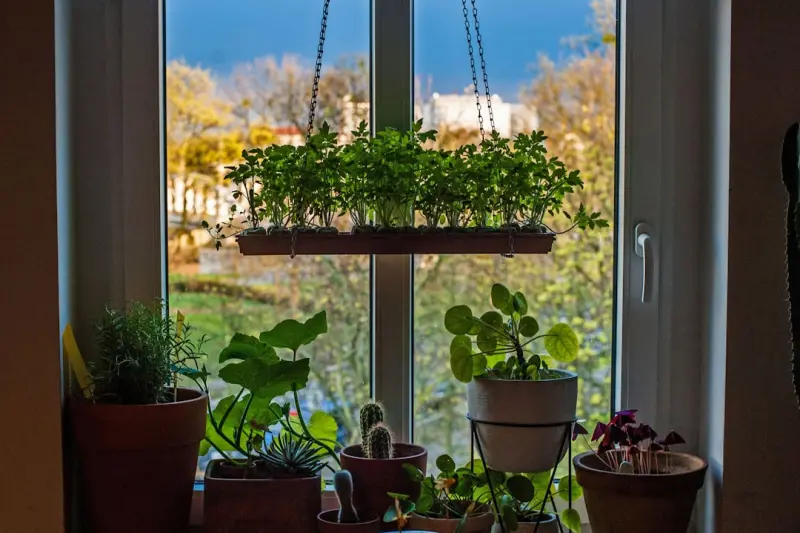
To get started, explore local community groups that host Seasonal Plant Swaps: Keeping Your Indoor Garden Fresh All Year. Swapping seedlings tailored for specific micro‑zones can jump‑start your garden and foster a sense of shared stewardship.
Designing Outdoor Living Spaces Around Microclimates
Beyond plants, think about how you use each zone for relaxation or entertainment. The sun‑lit patio is perfect for morning coffee or a midday BBQ, while the breezy, shaded nook under a pergola becomes an ideal spot for a hammock or outdoor reading corner.
If you enjoy evening gatherings, consider installing soft lighting that accentuates the natural contours of your micro‑zones. A warm string of LED lights draped over the sunny area can create an inviting glow, while subtle solar lanterns in the shaded corners add a touch of magic after dark.
For those who love a touch of tech, a smart lighting system can be programmed to adjust brightness based on the time of day and the specific micro‑climate, ensuring you always have the perfect ambiance.
DIY Microclimate Enhancements You Can Do This Weekend
Want to boost the conditions of a less‑ideal zone without major construction? Here are three budget‑friendly hacks:
- Reflective Mulch. In a cooler, shady patch, scatter light‑colored stone mulch to bounce sunlight onto low‑light plants, effectively nudging the temperature up a few degrees.
- Windbreaks. Plant fast‑growing, dense shrubs like privet or install a simple bamboo fence to shelter delicate perennials from harsh gusts.
- Heat‑Absorbing Walls. If you have a south‑facing wall, attach dark‑colored heat‑absorbing panels (or even reclaimed bricks) to create a radiant heat source for heat‑loving plants during cooler evenings.
Seasonal Adjustments: Letting Your Microclimates Evolve
Microclimates aren’t static; they shift with the seasons. In spring, the sun may linger longer on a particular slope, while autumn brings cooler evenings that affect wind patterns. Keep your map updated annually, noting any changes. This practice ensures you can rotate crops, relocate containers, or add seasonal mulch to maintain optimal conditions.
The Bigger Picture: Microclimates and Climate Resilience
On a macro level, leveraging microclimates contributes to climate‑resilient neighborhoods. By diversifying plantings across varied micro‑zones, you create a mosaic that can better withstand extreme weather events—heatwaves, heavy rains, or unexpected frosts. This approach aligns with broader sustainability goals, turning your backyard into a small but meaningful climate‑adaptation hub.
Conclusion: Turn Microclimates into Your Garden’s Superpower
The next time you step outside, pause and ask yourself: “Which micro‑zone am I in?” By treating each corner of your yard as a unique environment, you’ll unlock higher yields, lower water bills, and a garden that feels alive in every season. It’s a simple shift in perspective—one that turns ordinary backyard space into a dynamic, thriving ecosystem.

Jimmy Anand is a content creator that gets inspired by many aspects of life, internet or whatever inspires him at that moment. When he's not online he's gaming and when he is not gaming he is online trolling discussion boards.
Related Posts

Creating a Multi‑Generational Outdoor Oasis: Design Tips for Every Age
Discover practical tips for building a backyard haven that grows with your family—flexible furnitu... Read More

Transform Your Backyard with a DIY Outdoor Kitchen
A practical guide to building a backyard outdoor kitchen, from layout planning and durable materials... Read More
Seasonal Garden Staging: How to Transform Your Yard Four Times a Year
Discover a step‑by‑step approach to revitalize your outdoor space each season, from planting vib... Read More
Top Posts

When AI Becomes a Creative Partner, Not a Replacement
Treating AI as a creative partner, not just an automation tool, reshapes product design and decision‑making. Learn practical rituals, trust‑building tactics...Read More

How Sunlight, Breath, and Community Walks Can Rewire Your Health
Explore the powerful trio of sunlight exposure, breathwork, and community walking as simple, science‑backed practices that elevate both body and mind, offerin...Read More

Ethical AI in B2B SaaS: A Playbook for Trust‑First Growth
A practical guide for SaaS leaders on building ethical AI systems—covering transparent intent, bias audits, explainability, and governance—to turn trust int...Read More

Micro‑Movement Magic: Tiny Workday Exercises That Transform Health
Micro‑movement introduces quick, purposeful exercises into the workday, counteracting the harmful effects of prolonged sitting. Karen Edwards outlines ten sim...Read More
0 Comments
Post Comment
You will need to Login or Register to comment on this post!