
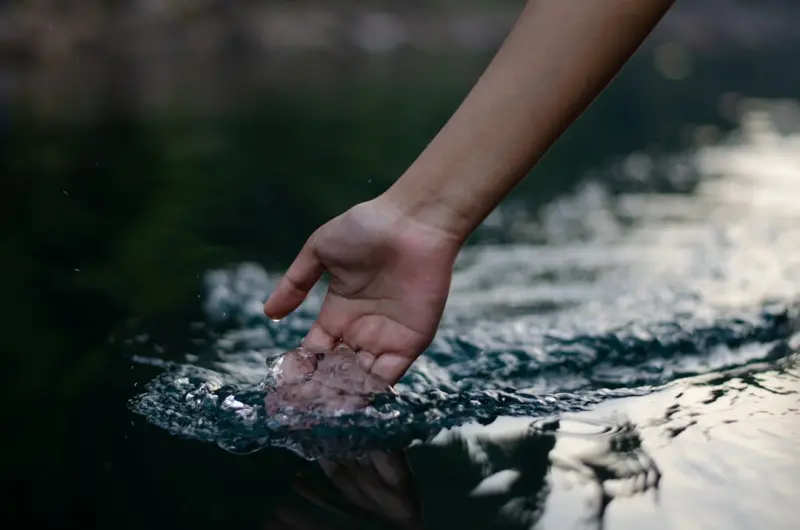
Why Cold Water Immersion Deserves a Spot in Your Wellness Toolbox
When I first dipped my toes into a brisk mountain lake after a long‑run, the shock of icy water sparked a cascade of sensations that felt both alarming and exhilarating, prompting me to investigate the science behind that primal reaction. What began as a curious experiment quickly unfolded into a daily ritual that sharpened my focus, elevated my mood, and left my muscles feeling remarkably refreshed, proving that a simple splash can serve as a powerful catalyst for whole‑body resilience. Cold water immersion isn’t a trendy fad limited to elite athletes; it’s an accessible, evidence‑based practice that anyone can tailor to fit a busy lifestyle while reaping profound health dividends.
The Ancient Roots and Modern Revival of Cold Therapy
From the icy baths of Roman soldiers to the Nordic tradition of saunas followed by plunges, cultures across centuries have harnessed the invigorating chill to fortify the body and spirit, a testament to humanity’s intuitive grasp of temperature’s therapeutic potential. Contemporary research now validates those time‑honored customs, revealing that controlled exposure to cold water triggers a cascade of hormonal and cellular events that support recovery, circulation, and even longevity. By bridging ancient wisdom with cutting‑edge physiology, today’s cold‑water enthusiasts are rediscovering a timeless tool that aligns with modern goals of optimal performance and sustainable health.
How the Body Reacts: The Science of the Cold Shock Response
When skin receptors detect a sudden drop in temperature, the nervous system launches the “cold shock response,” a rapid surge of adrenaline, noradrenaline, and cortisol that sharpens alertness while constricting peripheral blood vessels to preserve core heat, a mechanism that has evolved to protect vital organs during exposure to harsh environments. Simultaneously, the heart rate spikes and breathing becomes more deliberate, prompting increased oxygen uptake that fuels metabolic processes and primes the immune system for heightened vigilance. This orchestrated physiological symphony not only creates a fleeting feeling of invigoration but also initiates longer‑term adaptations that improve vascular tone, enhance mitochondrial efficiency, and support hormonal balance.
Immune Boost: Turning Chills into a Defensive Shield
Repeated, brief immersions in cold water have been shown to elevate circulating levels of leukocytes and natural killer cells, the body’s frontline defenders that patrol for pathogens and aberrant cells, thereby fortifying the immune landscape against common infections and inflammatory challenges. The stress of cold exposure stimulates the production of anti‑inflammatory cytokines, a subtle modulation that can reduce chronic low‑grade inflammation—a recognized contributor to conditions ranging from cardiovascular disease to mood disorders. By regularly inviting the body to adapt to controlled stressors, cold water immersion effectively trains the immune system to respond more efficiently when genuine threats arise.
Metabolic Activation: Awakening Brown Fat and Burning Calories
One of the most compelling benefits for those monitoring weight and energy balance is the activation of brown adipose tissue, a metabolically active fat depot that burns calories to generate heat, a process known as non‑shivering thermogenesis that spikes after each cold exposure session. Research indicates that consistent immersion can increase brown fat volume and enhance its activity, translating into a modest but measurable rise in resting metabolic rate that supports fat loss without drastic dietary restrictions. Moreover, the surge of catecholamines during the cold shock response mobilizes stored glycogen, providing a clean source of energy for muscles and the brain, which can improve endurance and mental stamina throughout the day.
Mental Clarity and Stress Resilience: Beyond Physical Benefits
Beyond the obvious physiological perks, the deliberate practice of stepping into cold water cultivates a mental discipline that reshapes the brain’s response to stress, as the brief discomfort teaches the nervous system to tolerate uncertainty and remain calm under pressure, a skill that readily transfers to high‑stakes work environments and personal challenges. Neuroimaging studies reveal increased activity in the prefrontal cortex after regular cold exposure, a region responsible for executive function, decision‑making, and emotional regulation, suggesting that this icy ritual can sharpen focus and reduce anxiety over time. The combination of heightened alertness, reduced cortisol spikes, and improved mood‑enhancing neurotransmitters makes cold water immersion a natural adjunct to meditation, therapy, or any mental‑health toolkit.
Getting Started Safely: A Step‑by‑Step Guide for Beginners
Begin with a temperature range of 15‑20 °C (59‑68 °F) and limit each session to two to three minutes, allowing the body to acclimate while minimizing the risk of hypothermia or excessive shock; gradually lower the temperature and extend the duration as comfort and confidence grow. Prior to immersion, perform a brief warm‑up—light cardio or dynamic stretching—to raise core temperature, then transition quickly into the water, breathing deeply to counteract the instinctive gasp reflex and maintain steady oxygen flow. After each session, warm the body gradually with a light jacket or a warm shower, avoiding abrupt heating that could negate the circulatory benefits, and stay hydrated to support the increased metabolic activity.
Integrating Cold Immersion with Complementary Practices
To amplify the results, pair cold water sessions with micro‑movement practices that keep joints supple and circulation robust, such as gentle ankle circles or shoulder rolls performed before and after the plunge, ensuring a smooth transition between vasoconstriction and vasodilation. Complementary sensory reset techniques—like alternating bright light exposure with dim lighting—can further sharpen the nervous system’s adaptability, creating a holistic routine that balances cold stress with controlled sensory inputs for optimal neuro‑vascular health. By weaving these simple, low‑impact habits into the cold immersion protocol, you create a synergistic effect that magnifies resilience, flexibility, and overall vitality.
Making Cold Water Immersion a Sustainable Lifestyle Choice
Consistency is the cornerstone of lasting benefit; aim for three to four sessions per week, integrating the practice into existing routines—whether a post‑workout cool‑down, a weekend nature walk, or a quick bathroom shower turned icy challenge—to embed it seamlessly into daily life without overwhelming time constraints. Track progress by noting changes in mood, sleep quality, and recovery speed, and adjust temperature or duration based on how the body responds, remembering that the goal is progressive adaptation, not immediate mastery. Over months, the accumulated adaptations can translate into a stronger immune system, steadier energy levels, and a calmer mind, proving that the modest act of stepping into cold water can become a cornerstone of holistic health and enduring vigor.

Karen Edwards is a seasoned freelance writer with a passion for all things furry, feathered, and scaled. With a dedicated focus on pets, she brings a wealth of knowledge and a keen eye for detail to her writing.
Related Posts
Illuminating Health: How Light Shapes Your Body and Mind
Light is a silent regulator of our hormones, mood, and sleep. This article unpacks the science of li... Read More

Forest Immersion: A Practical Guide to Boosting Health and Focus
Explore the physiological, cognitive, and emotional advantages of forest immersion and get practical... Read More

Syncing Your Body Clock: Simple Rituals for Modern Health
Learn how tiny adjustments to light, meals, movement, and offline connections can reset your interna... Read More
Top Posts

Cultivating Success: How a Garden Desk Can Revitalize Your Home and Work Life
Explore the rise of garden desks, blending outdoor serenity with work efficiency, and learn practical steps to create a productive backyard oasis....Read More

When the Road Takes the Lead: Harnessing Unplanned Detours for Deeper Travel Experiences
Discover why leaving room for the unexpected can make your journeys more enriching, with real stories, safety tips, and tools to turn random detours into lastin...Read More
Garden Desks: How Rose DesRochers Is Redefining Home & Garden Living
Rose DesRochers shares her personal journey turning backyard spaces into thriving green workstations, offering design tips, tech hacks, and community insights f...Read More
Let the Sun In: Home Light Hacks for a Brighter, Healthier Space
Sanji Patel reveals how simple mirror placement, reflective paints, strategic window treatments, and indoor plants can transform any home into a brighter, healt...Read More
0 Comments
Post Comment
You will need to Login or Register to comment on this post!