
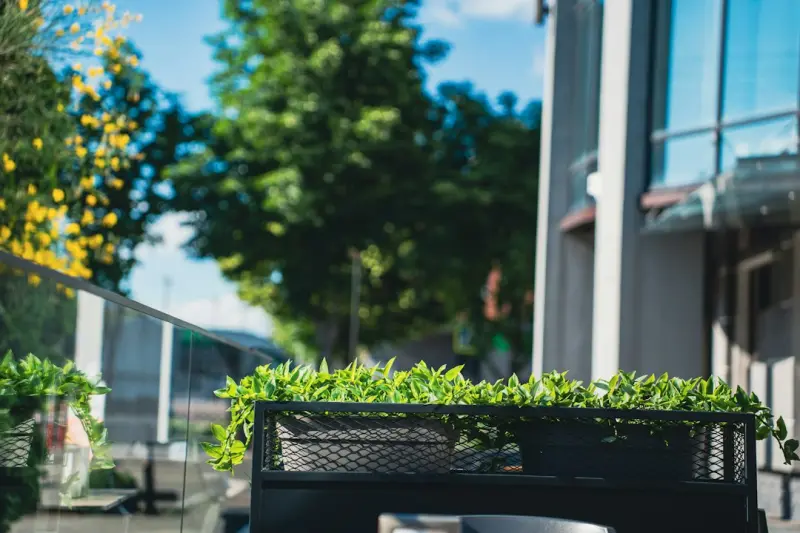
From Balcony to Bounty: How I Turned My Tiny Outdoor Space into a Year‑Round Food Oasis
When I first moved into my city apartment, the only green I owned was a wilted pothos on a windowsill. I missed the feeling of soil between my fingers, the anticipation of watching seedlings push through the earth, and the simple pride of harvesting something I’d grown myself. Most of my friends who lived in high‑rise buildings told me it was impossible – “you need a yard,” they’d say. I decided to prove them wrong, and over the last year I’ve transformed a modest 4‑foot balcony into a thriving micro‑farm that feeds my kitchen, brightens my mornings, and even reduces my grocery bill.
Why a Micro‑Farm?
Urban living often feels cramped, but the truth is that almost every apartment has at least one small, under‑utilized area that can become a productive garden. A balcony, a windowsill, or even a tiny roof terrace can host a surprising amount of life if you plan wisely. My motivation wasn’t just about fresh herbs; it was about reclaiming a piece of nature in a concrete jungle and creating a calming ritual that anchors my day.
Beyond the obvious culinary benefits, a micro‑farm offers:
- Improved indoor air quality: Plants naturally filter pollutants, making your home a healthier place to breathe. If you’re looking for more detailed air‑quality hacks, this is a great place to start.
- Stress reduction: Tending to plants engages the senses and encourages mindfulness, a natural antidote to the hustle of remote work.
- Educational fun: Growing food is a hands‑on way to learn about seasons, biology, and sustainable living.
Step 1: Assess Your Space and Light
The first thing I did was map out my balcony’s dimensions and the direction it faced. Light is the most critical factor. South‑facing balconies receive the most sun, but even east‑ or west‑facing spaces can work with the right plant selections.
I measured the daily sunlight using a simple phone app that tracks UV exposure. The result? My balcony gets about 4–5 hours of direct sun in the morning, then dappled shade in the afternoon. This “partial sun” profile guided my plant list: herbs like basil, mint, and chives thrive here, while leafy greens such as kale and lettuce prefer filtered light.
Step 2: Choose the Right Containers
Space constraints meant I needed to think vertically. I purchased a set of lightweight, stackable fabric grow bags that fit neatly on the balcony railing. Their breathable fabric prevents root rot and makes them easy to move if wind picks up.
For climbing plants like peas and beans, I installed a compact trellis that doubles as a decorative screen. It adds privacy while giving vines a structure to climb. The trellis is also a perfect spot to hang small planters for trailing herbs like thyme.
Step 3: Pick a Plant Palette That Works Year‑Round
Creating a year‑round harvest requires a mix of cool‑season and warm‑season crops:
- Cool‑season (fall/winter): Kale, spinach, arugula, and radishes. These tolerate lower light and cooler temperatures.
- Warm‑season (spring/summer): Basil, cherry tomatoes, peppers, and zucchini. They love the sunshine I get in the early months.
To avoid the frustration of plants that simply won’t grow in my micro‑climate, I sourced varieties bred for container gardening. For example, “Patio Princess” tomatoes are dwarf, produce fruit on compact vines, and are disease‑resistant – perfect for a balcony garden.
Step 4: Soil, Water, and Feeding Strategies
Good soil is the foundation of any garden, even in a small pot. I use a premium, lightweight potting mix enriched with perlite for drainage. Adding a handful of compost tea each month gives the soil a gentle nutrient boost without the risk of over‑fertilizing.
Watering is where many balcony gardeners stumble. Too much water can drown roots, while too little wilts the plants. I installed a simple self‑watering reservoir system that sits beneath the grow bags: a tray holds water, and wicking cords draw moisture upward as needed. This reduces daily watering chores and keeps the soil consistently moist.
Step 5: Embrace Smart Garden Tech (Without Over‑Complicating)
Technology can be a helpful ally, but I wanted to keep my garden low‑tech enough that anyone could replicate it. Still, I added a single Bluetooth‑enabled moisture sensor that pairs with my phone. It alerts me when the soil dries below a set threshold, so I never miss a watering window.
If you’re interested in broader digital wellness at home ideas, there are entire ecosystems of smart plugs, timers, and grow lights that integrate with home assistants – but for my balcony, a basic sensor is more than enough.
Step 6: Design for Aesthetic Appeal
My balcony isn’t just a food source; it’s also an outdoor living room. I added a few decorative elements to make the space inviting:
- String lights: Warm LED bulbs create a cozy glow for evening meals.
- Outdoor rug: A weather‑resistant rug defines the garden area and adds texture.
- Seating: A fold‑out chair and small side table let me sit and enjoy the fruits of my labor.
These touches turn a functional garden into a personal sanctuary. When friends visit, they’re surprised to find fresh basil for their cocktail and a plate of cherry tomatoes still on the vine.
Step 7: Harvest, Cook, and Celebrate
Harvesting is the most rewarding part. I follow the “cut and come again” rule for herbs – snipping just a third of the top encourages new growth. For leafy greens, I pick the outer leaves, leaving the core to keep producing.
One of my favorite rituals is to cook a simple summer salad using freshly picked lettuce, cucumber, and a drizzle of olive oil. The flavors are brighter, and there’s a sense of connection to the plant that no store‑bought produce can match.
Maintaining Your Micro‑Farm Through the Seasons
Winter can be tricky, especially for a balcony exposed to chilly breezes. I protect my plants with a portable greenhouse cover that traps heat while still allowing airflow. Inside the cover, I place a small LED grow light on a timer (12 hours on, 12 off) to supplement the weak natural light.
Spring arrives, and the cover comes off. I rotate crops, planting quick‑growing radishes alongside longer‑term beans. This staggered planting keeps the garden productive year after year.
Budget‑Friendly Tips
Creating a micro‑farm doesn’t have to break the bank. Here are a few ways I saved money:
- Recycled containers: Old yogurt cups and tin cans become perfect seedling pots.
- DIY compost: Kitchen scraps turned into nutrient‑rich compost using a small countertop bin.
- Seed swaps: I trade seeds with neighbors, which adds variety without cost.
Integrating Your Garden Into a Holistic Home Upgrade
If you’re already thinking about refreshing your living space, consider weaving your balcony garden into a larger home revamp plan. Pair the greenery with neutral décor, add natural textures like bamboo blinds, and you’ll create a cohesive environment that feels both modern and grounded.
In my case, the balcony garden sparked a cascade of changes: I swapped out synthetic floor mats for jute runners, introduced a low‑VOC paint palette, and even upgraded my kitchen cabinets to reclaimed wood. The garden became the catalyst for a calmer, more efficient, and joy‑filled home.
Common Pitfalls and How to Avoid Them
1. Overcrowding: It’s tempting to fill every inch with plants, but roots need space. Give each container at least 12 inches of breathing room.
2. Ignoring wind: Balconies are exposed to gusts that can damage delicate seedlings. Use windbreaks like lattice panels or even a simple bamboo screen.
3. Neglecting pest control: While indoor gardens have fewer pests, aphids and spider mites can appear. A gentle spray of soapy water or neem oil keeps them in check without chemicals.
Community and Sharing the Harvest
One unexpected benefit of my balcony farm is the sense of community it builds. I started a weekly “garden share” with neighbors, swapping excess herbs for home‑baked goods. It’s become a small but meaningful way to connect, especially for those of us working from home.
If you’re interested in more ideas for building community around home projects, you might explore how peer coaching networks foster collaboration – but that’s a story for another day!
Final Thoughts: The Power of Small Spaces
My balcony might be only a few square feet, but it has become a vibrant extension of my home. It reminds me daily that sustainability isn’t about massive, sweeping changes; it’s about the small, intentional actions we take in the spaces we already occupy. Whether you have a sunny balcony, a dim windowsill, or even a tiny rooftop, you can cultivate a food oasis that feeds both body and soul.
So, if you’ve ever thought that gardening was reserved for those with sprawling backyards, I encourage you to grab a pot, a seed packet, and start your own micro‑farm. The journey will be full of learning, occasional setbacks, but ultimately, an abundant harvest of flavor, health, and joy.

Karen Edwards is a seasoned freelance writer with a passion for all things furry, feathered, and scaled. With a dedicated focus on pets, she brings a wealth of knowledge and a keen eye for detail to her writing.
Related Posts
Turn Your Small Yard into a Year‑Round Food Oasis
Discover practical steps to convert even the smallest outdoor space into a year‑round food oasis, ... Read More

Nighttime Garden Design: Turning Your Backyard into a Moonlit Retreat
Learn to transform your outdoor space into a moonlit sanctuary using layered lighting, night‑bloom... Read More
Cultivating Home Harmony: How a Garden Desk Can Transform Your Space
Explore the rise of garden desks, learn design tips, and see how this outdoor workspace can reshape ... Read More
Top Posts

24‑Hour City Sprint: Master a Day‑Long Urban Adventure
A guide to turning a single day in any city into a focused, immersive adventure using a lightweight pocket toolkit, flexible mapping, and mindful reflection for...Read More

The Healing Power of Forest Bathing: A Modern Guide to Natural Wellness
Forest bathing, the Japanese practice of mindful immersion in nature, offers measurable stress reduction, immune support, and creative boosts. This guide explai...Read More

When Algorithms Join the Brainstorm: AI as a Co‑Creator in Business Innovation
Discover how shifting AI from a mere tool to a collaborative partner can transform product ideation, marketing, and corporate storytelling, unlocking fresh, dat...Read More

AI as Your Personal Decision‑Partner: Turning Data Overload into Insight
Learn how to transform AI from a distant tool into a trusted decision‑partner that surfaces insights, boosts confidence, and streamlines daily workflows for p...Read More
0 Comments
Post Comment
You will need to Login or Register to comment on this post!