
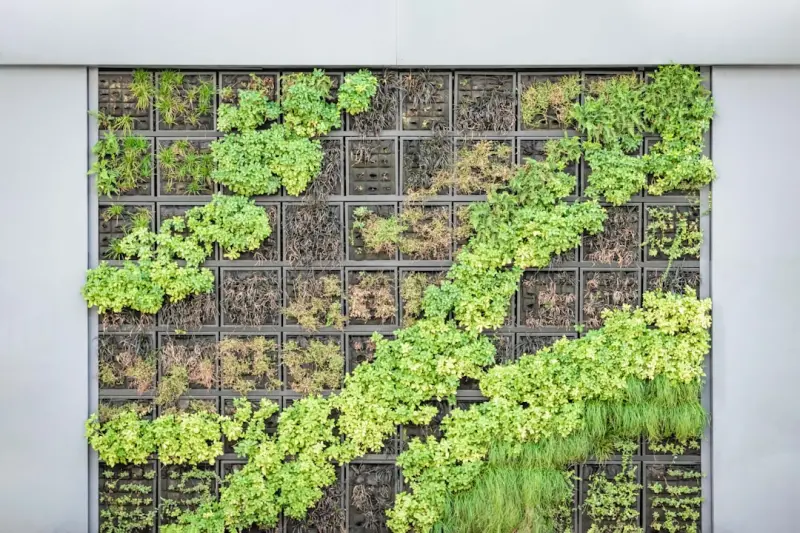
Rethinking Space: Vertical Gardens for Compact Yards
When city dwellers stare at a modest patch of lawn and wonder how to make it feel like a true sanctuary, the answer often lies above the ground; vertical planting systems turn a flat canvas into a living tapestry that maximizes every inch of sunlight and air. By mounting pocket planters, pallet gardens, or repurposed shoe organizers on a sturdy wall, you can layer herbs, succulents, and flowering vines in a staggered choreography that not only saves floor space but also creates a micro‑climate that moderates temperature swings and reduces wind impact. This upward‑facing approach invites you to curate a personalized gallery of textures and hues while keeping maintenance manageable, because watering and pruning happen at eye level, turning garden chores into a meditative routine rather than a back‑breaking task.
Seasonal Swaps: Rotating Containers for Year‑Round Interest
One of the most rewarding habits for a small‑scale gardener is the practice of swapping out container plants with the seasons, a strategy that keeps the backyard dynamic without the need for permanent landscaping changes; in spring, replace dormant bulbs with bright pansies and snapdragons, then transition to heat‑loving marigolds and zinnias as summer peaks, finally retiring foliage for autumn’s rich mums and ornamental kale. By using modular trays and lightweight pots that nest within each other, you can store off‑season plants in a tidy garage shelf, ready to be reintroduced when the climate shifts, ensuring that your outdoor space never looks barren during transitional months. This cyclical method not only sustains visual interest but also encourages biodiversity, as each rotation invites different pollinators and beneficial insects, turning a modest yard into a seasonal hub of ecological activity.
Kitchen Waste to Garden Gold: Homemade Natural Pest Repellents
Instead of reaching for synthetic chemicals when aphids or slugs threaten your tender seedlings, consider the untapped power of everyday kitchen scraps; citrus peels, coffee grounds, and garlic cloves can be transformed into fragrant barriers that deter common garden pests while enriching the soil with organic matter. A simple spray made from diluted vinegar and a few drops of essential oil, or a granular mix of crushed eggshells and powdered neem, creates a protective shield that is safe for children, pets, and beneficial insects like ladybugs, fostering a balanced ecosystem where pests are naturally kept in check. By embracing these DIY solutions, you not only reduce household waste but also cultivate a sense of stewardship, turning the act of cooking into a complementary extension of your horticultural routine.
Affordable Zen: Building a Backyard Meditation Nook
Creating a peaceful retreat need not involve costly decks or exotic stones; a modest corner of your yard can be transformed into a meditation oasis with reclaimed timber, weather‑resistant cushions, and a few thoughtfully placed elements that engage the senses without overwhelming the space. Lay down a simple platform using reclaimed pallets, cover it with a soft, outdoor‑grade rug, and flank it with low‑grown bamboo or ornamental grasses that rustle gently in the breeze, establishing a natural soundscape that invites mindfulness and deep breathing. Adding a solitary lantern or a small water feature—perhaps a repurposed ceramic bowl with a recirculating pump—provides a focal point for the eyes, while the subtle scent of lavender or sage from nearby planters enhances the calming atmosphere, turning a tiny slice of earth into a sanctuary for daily reflection.
Smart Water Use Without High‑Tech Gadgets
Even without a sophisticated irrigation controller, you can master efficient watering by employing time‑tested techniques that align with nature’s rhythms, such as the “deep soak, infrequent” method that encourages roots to grow deeper and reduces evaporation losses during scorching afternoons. Mulching each container with shredded bark, straw, or even a thin layer of newspaper retains moisture, curtails weed growth, and moderates soil temperature, creating a micro‑environment that mimics forest floor conditions; this simple practice can cut water consumption by up to 30 percent. For those who appreciate a touch of technology, a quick glance at our Smart Irrigation guide offers low‑cost sensor options that can be retrofitted onto existing hoses, marrying old‑school wisdom with modern convenience.
Sustainable Materials: Upcycled Planters and Garden Art
When it comes to furnishing a small backyard, the most striking pieces often emerge from what you already have, turning discarded items into functional art; old teacups become charming dwarf herb pots, rusty metal drums can be transformed into towering succulent towers, and reclaimed wooden crates serve as rustic shelving for potted vegetables. By sanding, sealing, and adding a splash of waterproof paint, these objects gain new life while reducing landfill waste, aligning your garden’s aesthetic with an eco‑conscious ethos that resonates with today’s sustainability values. For further inspiration on repurposing materials, our Eco‑Friendly Home Renovation article demonstrates how thoughtful upcycling can elevate both interior and exterior spaces without breaking the bank.
Creating a Cohesive Theme: Color, Texture, and Flow
Achieving a harmonious backyard design is less about the sheer number of plants and more about the deliberate orchestration of color palettes, foliage textures, and spatial flow; pairing deep‑green foliage with bright orange blooms, for instance, creates a visual contrast that draws the eye across the garden, while integrating a mix of glossy leaves and soft, feathery grasses adds tactile depth that invites touch. Pathways made from reclaimed stone or gravel guide movement organically, encouraging visitors to wander and discover hidden corners, and strategically placed mirrors can amplify perceived space, reflecting sky and foliage to make a modest yard feel expansive. By curating these elements with intention, you forge an environment that feels both curated and inviting, turning a compact plot into a personalized retreat that reflects your unique style.
Conclusion: A Backyard That Grows With You
Transforming a small yard into a vibrant, functional haven is a journey that blends creativity, resourcefulness, and a willingness to experiment; each vertical garden, seasonal container swap, and handmade pest remedy adds a layer of personality that evolves alongside your own growth and changing needs. As you nurture these spaces, you’ll discover that the true value lies not just in the visual appeal but in the ritual of tending, the quiet moments of meditation, and the satisfaction of turning everyday waste into garden gold. Embrace the process, celebrate the small victories, and watch as your modest backyard blossoms into a living testament to ingenuity and mindful living.

Jimmy Damon loves to right on a large scale of topics with all things Canadian as this Montreal die hard loves hockey. fishing and sports.
Related Posts
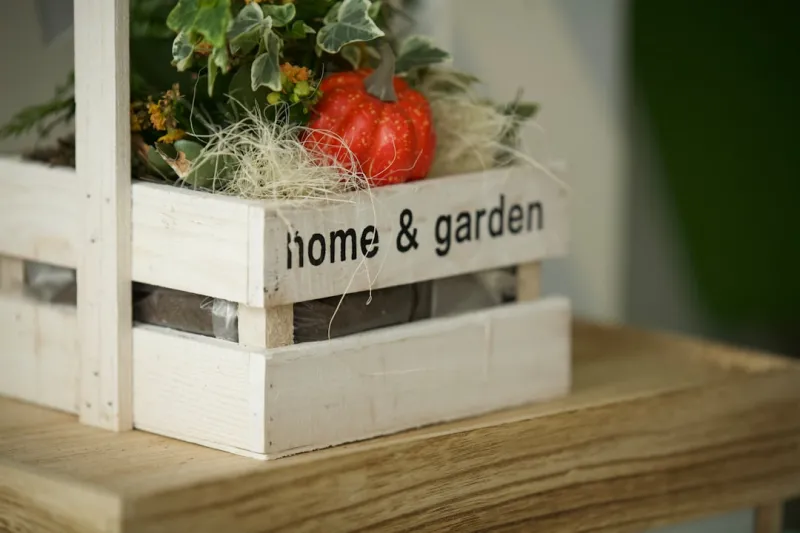
Garden Desks: How My Outdoor Workspace Became the Hottest Home & Garden Trend of 2024
Jimmy Damon shares his personal journey building a garden desk, revealing how this outdoor workspace... Read More
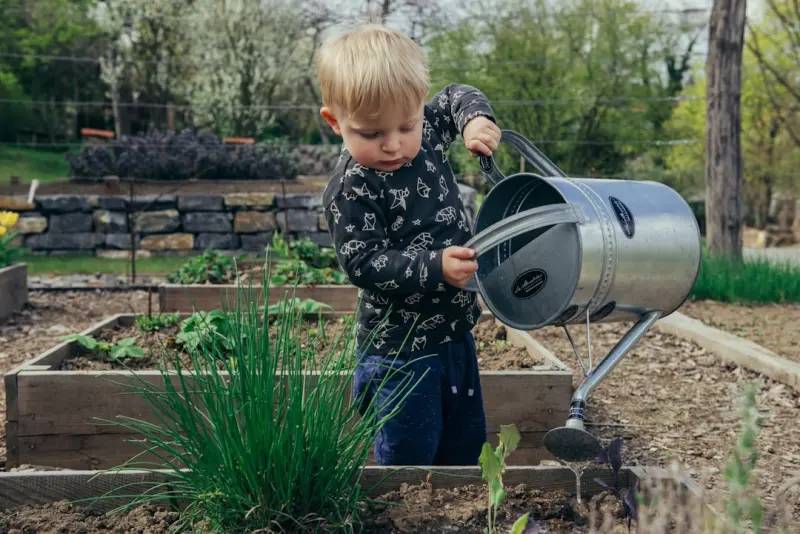
Smart Water Strategies: Turn Your Garden into a Sustainable Oasis
Learn how to capture rain, use smart irrigation, and build eco‑friendly garden features that keep ... Read More

Rewilding Your Front Yard: Turning the Ordinary into a Wild Sanctuary
A step‑by‑step guide to converting a conventional front lawn into a resilient, wildlife‑rich s... Read More
Top Posts

Gut Microbiome Mastery: Small Shifts for Big Energy and Focus Gains
A deep dive into the gut microbiome reveals practical, everyday habits—like diverse fibers and fermented foods—that can dramatically improve energy, cogniti...Read More

AI‑Powered Scenario Planning: Turning Uncertainty Into Strategic Advantage
Explore the power of AI‑driven scenario planning, a dynamic approach that helps leaders test assumptions, mitigate risk, and shape the future with confidence....Read More

Mental Hygiene: Treat Your Mind Like a Clean House
Learn how to treat your mind like a clean house with the four pillars of mental hygiene—cognitive decluttering, emotional sanitization, social micro‑cleanin...Read More

Cold Exposure: A Simple Habit for Lasting Vitality
Explore the science and practical steps behind cold exposure, from 30‑second showers to weekly ice baths, and learn how this humble habit can transform your h...Read More
0 Comments
Post Comment
You will need to Login or Register to comment on this post!