
Why Upcycling Beats Buying New Garden Gear
When the garden‑center aisle looks like a maze of glossy plastic, I’m reminded that the best tools often start life as a forgotten kitchen drawer or a garage‑shelf relic, and the thrill of turning that old metal rake into a decorative trellis is a kind of quiet rebellion against consumer culture that feels both frugal and fiercely personal. I’ve spent countless weekends rescuing rust‑spotted watering cans, re‑painting them with bold, mismatched hues, and watching neighbors pause to admire the splash of color that suddenly makes the whole block feel more alive; this process not only saves money but also infuses each corner of the yard with stories that no mass‑produced item could ever convey. By the time the sun dips low and the garden lights flicker on, the upcycled pieces stand proudly among the foliage, echoing the sentiment that a garden is as much an expression of creativity as it is a place for vegetables, and this mindset reshapes the way we interact with our outdoor spaces, encouraging us to see potential where others see junk.
Spotting Treasure in the Most Unlikely Places
My first step in any upcycling adventure is a scavenger hunt through the house, where I treat everything from an old wooden ladder to a cracked ceramic bowl as a potential garden hero, because the truth is that a sturdy ladder can become a tiered herb stand that not only saves space but also adds a rustic charm that no store‑bought pot could mimic. I’ve learned to read the grain of reclaimed wood, feeling for those subtle knots that will later catch the morning dew, and I’ve discovered that a set of mismatched wine bottles, once sanded and sealed, transform into a whimsical watering system that drips just enough to keep succulents happy while also serving as a conversation starter for guests who stop by for a cup of tea. The excitement of this treasure‑hunting mindset turns ordinary chores into creative missions, and each successful repurposing fuels a growing confidence that any object, no matter how battered, can be reimagined into a functional garden asset.
Crafting a DIY Potting Bench from a Repurposed Pallet
One of my favorite projects began with a weather‑worn shipping pallet I found stacked behind the shed, and after a quick sand‑down and a coat of waterproof sealant, it became a sturdy potting bench that not only holds my tools and trays but also doubles as a raised work surface that protects my knees during those long planting sessions; the bench’s open slats create natural drainage, ensuring that excess water doesn’t pool and damage the wood, while the added shelves provide a perfect spot for compost bins and seed packets. I attached a reclaimed metal hook arm from an old bike to hang my garden tote, and I placed a small, repurposed mason‑jar lamp on the side, giving the bench a soft glow for early‑morning seed sowing, a detail that makes the whole setup feel both purposeful and aesthetically pleasing. This single piece of upcycled furniture has become the command center of my garden, proving that with a little imagination, a simple pallet can evolve into a multi‑functional hub that streamlines every gardening task.
Turning Vintage Kitchenware into Eye‑Catching Planters
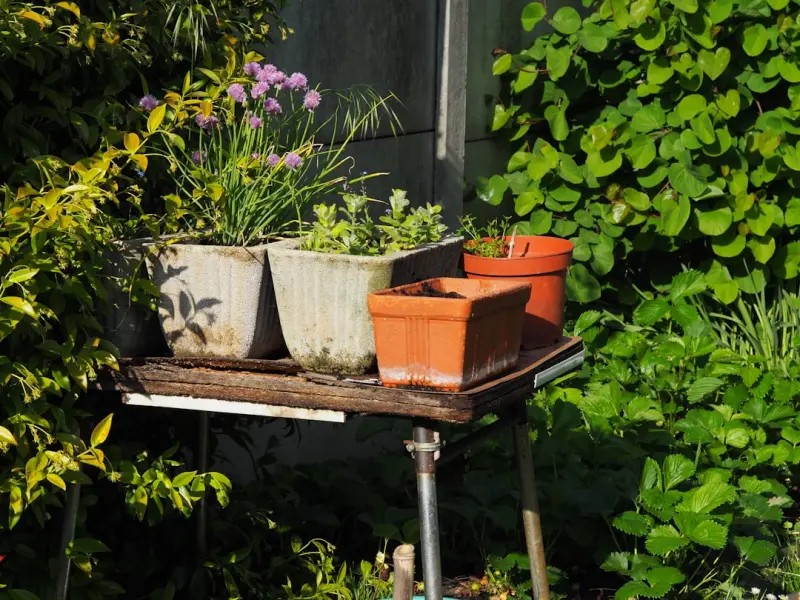
My grandmother’s chipped enamel teacup found new life perched on a windowsill, where its delicate curve now cradles a thriving rosemary plant, and the subtle imperfections add character that a pristine store‑bought pot could never replicate; similarly, a set of mismatched tin cans, once scrubbed clean and painted in bold geometric patterns, now serve as a vertical herb garden that drapes over a fence, allowing basil, thyme, and mint to cascade in a rainbow of green against a backdrop of industrial chic. I also rescued an old cast‑iron skillet, lining it with a breathable fabric and filling it with soil, which now houses a mini succulent collection that thrives on the sunny patio, while the skillet’s seasoned surface tells a story of countless meals, creating a seamless bridge between indoor culinary history and outdoor plant life. These humble kitchen relics become focal points that invite curiosity, turning ordinary garden corners into showcases of personal history and sustainable design.
Reimagining Old Tools as Garden Art Installations
When I discovered a rusted shovel buried beneath a pile of leaves, I saw an opportunity to sculpt a striking garden sculpture rather than discard it; after a thorough rust remover soak and a fresh coat of matte black paint, the shovel now stands upright beside the vegetable patch, its handle serving as a sturdy support for a climbing vine that wraps around it like nature’s own ribbon, creating a living artwork that changes with the seasons. A collection of antique garden forks, once dulled by time, have been transformed into a whimsical wall of “leaf catchers” on the shed exterior, each fork angled to capture falling leaves, turning a routine chore into an interactive display that rustles softly in the breeze and adds a tactile soundtrack to the garden ambience. By giving these old implements a second act, I not only reduce waste but also infuse the space with unique visual elements that echo the garden’s evolving narrative, reminding visitors that beauty often lies in reclaimed functionality.
Creating Functional Pathways with Recycled Materials
Instead of buying expensive stepping stones, I repurposed broken concrete pavers from a demolition site, arranging them in a staggered pattern that guides visitors through the herb border while allowing rainwater to seep naturally, creating a permeable pathway that protects the soil structure and reduces runoff; the uneven edges add a rugged, organic feel that complements the surrounding foliage, and the occasional moss growth on the cooler shaded sections becomes a living carpet that further softens the walk. I also salvaged a series of discarded wine barrels, cutting them lengthwise and laying them flat to form a rustic walkway that leads to a secluded meditation nook, the barrels’ natural curvature providing a gentle rise underfoot that encourages a mindful pace as one moves through the garden. These reclaimed pathways not only serve practical purposes but also reinforce the garden’s aesthetic of intentional reuse, turning each step into a reminder of the resources we can reclaim and reshape.
Integrating Upcycled Water Features for Calm and Conservation
My favorite water feature began as a forgotten copper bathtub found in the attic, and after removing the old enamel, I sealed the basin with a clear waterproof resin, then installed a low‑flow pump that circulates rainwater collected in an adjacent rain barrel, creating a gentle, humming cascade that attracts dragonflies while conserving precious water resources; the copper’s patina deepens over time, lending the fountain an antique elegance that blends seamlessly with the surrounding foliage and adds a soothing auditory backdrop to evenings spent on the patio. For a smaller accent, I transformed an empty glass milk jug into a miniature rain garden, placing it on a raised wooden pallet and filling it with gravel, sand, and native plants that thrive in moist conditions, turning a simple container into a functional micro‑habitat that filters runoff and supports beneficial insects. These upcycled water installations demonstrate that sustainability and serenity can coexist, offering both ecological benefits and a tranquil focal point that elevates the garden’s atmosphere.
Showcasing Your Upcycling Journey on Social Media
Once the garden is brimming with reclaimed treasures, I love documenting each transformation on Instagram, pairing before‑and‑after photos with short captions that explain the story behind each piece, because sharing the process not only inspires others to try their own projects but also creates a community of like‑minded DIY enthusiasts who exchange tips and celebrate each other’s successes; linking to resources like Smart Irrigation Made Simple provides followers with practical tech integrations that complement their upcycled designs. I also write blog posts that dive deeper into the step‑by‑step methods, linking to related content such as Eco‑Friendly Home Renovation to demonstrate how indoor and outdoor upcycling projects can harmonize, encouraging readers to see their entire living space as a canvas for sustainable creativity. By turning the garden into a living portfolio of reclaimed artistry, you not only enhance your outdoor sanctuary but also champion a greener, more inventive lifestyle that resonates far beyond the backyard.

Jimmy Damon loves to right on a large scale of topics with all things Canadian as this Montreal die hard loves hockey. fishing and sports.
Related Posts

How a Garden Desk Transforms Home Life and Boosts Well‑Being
A garden desk isn’t just furniture—it’s a sanctuary that blends work, wellness, and family lif... Read More
Seasonal Scent Curation and Sustainable Garden Design: A Fresh Take on Home & Garden
Explore innovative ways to curate seasonal scents, create wildlife corridors, and use recycled mater... Read More
Regenerative Home Gardening: Turning Your Yard into a Soil‑Health Hub
Discover a fresh approach to home gardening that focuses on soil health, multi‑functional design, ... Read More
Top Posts

How a Personal Board of Directors Can Transform Your Career Pivot
Learn to create a Personal Board of Directors—a small, trusted advisory group that provides strategic guidance, accountability, and diverse perspectives to he...Read More
Mini‑Greenhouses: Bringing Year‑Round Harvests to Urban Spaces
A compact mini‑greenhouse transforms balconies into year‑round herb sanctuaries, offering fresh flavor, easy maintenance, and a soothing green retreat for u...Read More

Talent Marketplaces Inside Companies: Unlocking Peer‑to‑Peer Skill Exchange
A deep dive into internal talent marketplaces reveals how peer‑to‑peer skill exchange replaces static job titles, driving agility, engagement, and retention...Read More

Why Garden Desks Are the Future of Employment: A Rose DesRochers Perspective
Rose DesRochers explains how swapping a traditional desk for a garden workspace ignites productivity, enhances well‑being, and signals a transformative shift ...Read More
0 Comments
Post Comment
You will need to Login or Register to comment on this post!