
Why Acoustic Comfort Matters More Than You Think
When most of us think about “home upgrades,” the first things that come to mind are paint colors, new furniture, or maybe a smart thermostat. Yet one of the most powerful—and often overlooked—elements of a truly comfortable living space is sound. The way noise travels through walls, bounces off bare floors, and fills open‑plan areas can either energize you or drain your mental reserves.
In my own house, I used to treat background chatter and street hum as inevitable annoyances. It wasn’t until a friend who works as an audio engineer pointed out how those “ambient” sounds were actually interrupting my focus that I started to experiment. The result? A quieter, more focused, and oddly more inviting home that feels like a personal sanctuary rather than a constant battlefield of competing frequencies.
The Science of Sound in a Residential Setting
Sound is a vibration that travels through air, solid surfaces, and even liquids. In a typical home, three key acoustic phenomena shape your experience:
- Reflection: Hard surfaces—bare walls, tile floors, glass windows—bounce sound waves right back into the room, creating echo and reverberation.
- Absorption: Soft materials—curtains, rugs, upholstered furniture—soak up sound energy, turning it into a faint hum that dissipates.
- Diffusion: Irregular surfaces scatter sound in multiple directions, breaking up harsh reflections and smoothing the overall acoustic profile.
Understanding these three elements helps you target the right solutions for each space. For example, a home office that needs crisp focus benefits from absorption, while a living room meant for lively conversation benefits from a balanced mix of diffusion and absorption.
Step‑by‑Step Guide to a Home Soundscape Makeover
Below is a practical, budget‑friendly roadmap you can follow room by room. The ideas range from “quick‑fix” swaps you can do in an afternoon to more involved DIY projects that pay dividends in long‑term comfort.
1. Conduct a Quick Acoustic Audit
Before buying anything, spend a few minutes listening. Sit where you spend most of your time—your desk, couch, or kitchen island—and note:
- Where the noise feels loudest (near windows, doors, or open floor plans).
- Whether you hear a lingering echo after you speak.
- Any particular frequencies that feel harsh (high‑pitched “tinny” sounds or low‑rumbly hums).
Jot these observations down. They’ll become your checklist for targeted improvements.
2. Soft‑Surface Boost: Rugs, Curtains, and Upholstery
Adding soft surfaces is the cheapest and most effective way to increase absorption. If you have hardwood or tile floors, place a large area rug under your primary furniture. A rug that’s at least 6‑8 feet wide can cut reverberation in half. Heavy drapes—not sheer curtains—help block street noise and absorb interior chatter. For a quick upgrade, try a strategically placed bookshelf filled with books; the spines act like mini‑absorbers while also providing hidden storage.
3. DIY Acoustic Panels (The “Artful” Approach)
If you love a bit of creativity, making your own acoustic panels is both functional and decorative. Here’s a simple recipe:
- Cut 2‑by‑4 foot pieces of 1‑inch plywood.
- Wrap each board in dense fabric (think canvas or denim) and staple it on the backside.
- Fill the interior with high‑density acoustic foam, rockwool, or even old denim scraps.
- Mount the panels at ear level on walls that reflect the most sound—typically opposite your desk or TV.
Because the panels are covered in fabric, you can match them to your interior palette, turning a functional need into a design statement.
4. Strategic Placement of Diffusers
Diffusers break up sound waves without deadening them completely. A simple diffuser can be created using a bookshelf with unevenly spaced books, a decorative wall collage, or a series of hanging wooden slats. Position diffusers on walls that face hard surfaces, especially in open‑plan areas where sound travels far.
5. Seal Gaps and Add Weatherstripping
Noise leaks often come through gaps around windows, doors, and even electrical outlets. Applying acoustic sealant or weatherstripping can reduce external street noise dramatically. This is a low‑cost tweak that also improves energy efficiency—two birds, one stone.
6. Smart Tech Integration for Dynamic Control
Modern smart homes give you the ability to adapt your acoustic environment on the fly. Pair a smart speaker with a sound‑masking app that plays subtle white‑noise or nature sounds during focus periods, and switch to music or silence during relaxation. For those who love automation, integrate acoustic control with existing schedules—think: “When I’m in the home office, lower the living‑room speaker volume and activate the white‑noise generator.” You can learn more about syncing home tech in Smart Scheduling for a Seamless Home.
7. Outdoor Buffer Zones
The exterior of your home plays a big role in indoor acoustics. Planting a low hedge, installing a decorative fence, or adding a trellis with climbing vines can act as a sound barrier, especially if you live near a busy street. Even a row of potted trees can break up wind‑borne noise before it reaches the windows.
8. Personal “Quiet Pods” for Focus
Creating a dedicated micro‑zone for deep work is a game‑changer. Choose a corner, surround it with a small rug, a portable acoustic panel, and a floor lamp. Add a small Bluetooth speaker that plays a consistent, low‑frequency hum (like a “brown noise” track). When you need focus, retreat to this pod—your brain will learn to associate the soundscape with concentration.
9. Re‑evaluate Your Furniture Layout
Large furniture pieces act as natural sound absorbers. Re‑arrange sofas, bookshelves, and wardrobes so that they break up direct lines of sound travel. For instance, a tall bookshelf placed between the kitchen and living room can keep the clang of dishes from echoing into your lounge.
10. Maintain Your Acoustic Solutions
Just like any home upgrade, acoustic improvements need upkeep. Vacuum fabric‑covered panels regularly to keep dust from turning them into resonant surfaces. Replace worn‑out weatherstripping annually. And periodically reassess your acoustic audit—life changes (new work‑from‑home schedule, a newborn, a home gym) can shift the sound dynamics in unexpected ways.
Putting It All Together: A Sample Room Transformation
Let’s walk through a real‑world example to illustrate how these steps combine into a cohesive plan.
Before: A bright, open‑plan living area with hardwood floors, a glass sliding door to the patio, and a wall of bare concrete behind the TV. Noise from the street and kitchen echoed throughout, making video calls feel like you were in a cafeteria.
After:
- Added a 9‑ft wool rug that softened foot traffic sounds.
- Installed heavy, floor‑to‑ceiling curtains on the patio door, which cut street noise by ~30%.
- Mounted two DIY acoustic panels (fabric‑covered and filled with rockwool) on either side of the TV wall, reducing echo.
- Placed a tall bookshelf with an irregular arrangement of books as a diffuser opposite the concrete wall.
- Applied acoustic sealant around the sliding door frame and added weatherstripping to the front door.
- Integrated a smart speaker that runs a gentle “rainforest” white‑noise track during work‑hours, triggered by the home office schedule.
The result? A space that feels both lively and contained—perfect for family movie nights, focused work sessions, and relaxed evenings.
Common Pitfalls and How to Avoid Them
- Over‑Absorbing: Too many soft surfaces can make a room feel “dead” and muffled. Balance absorption with diffusion.
- Ignoring the Ceiling: Sound can bounce off high ceilings. Consider hanging acoustic clouds or acoustic tiles if the ceiling is particularly reflective.
- Choosing Aesthetic Over Function: A gorgeous panel that doesn’t actually absorb sound won’t help. Prioritize performance first, then style.
- Neglecting Maintenance: Dust and wear reduce absorption efficiency. Keep fabrics clean and replace worn materials promptly.
Final Thoughts: Making Sound a Design Partner, Not an Afterthought
Acoustic comfort is a silent (pun intended) pillar of a thriving home environment. By treating sound as an integral design element—just like lighting or color—you’ll create spaces that nurture focus, relaxation, and connection. The best part? Most of these upgrades are low‑cost, DIY‑friendly, and can be tailored to any style, from minimalist Scandinavian to cozy farmhouse.
So the next time you think about “home improvements,” remember that the quiet you’re seeking isn’t just the absence of noise; it’s the presence of a thoughtfully crafted soundscape that supports the life you want to live.

Paul Flynn is a versatile freelance writer equipped with a diverse skillset and a portfolio that reflects his wide-ranging interests and expertise. From crafting compelling website copy and engaging blog posts to delivering in-depth articles and meticulously researched reports, Flynn demonstrates a remarkable ability to adapt his writing style to suit various audiences and purposes.
Related Posts

Simple Sensory Hacks to Elevate Your Home’s Comfort
Learn easy, budget‑friendly sensory upgrades—natural light, acoustic fixes, fresh scents, and sm... Read More

Invisible Storage Hacks: Turn Everyday Items into Hidden Organizers
Learn how to create invisible storage using simple household items, from magnetic strips and underâ€... Read More

Let the Sun In: Simple Strategies to Flood Your Home with Natural Light
Learn how to transform any space with sunlight through mirrors, light‑reflective surfaces, strateg... Read More
Top Posts

Screen‑Time Skin Care: Protecting Your Face in the Age of Endless Scroll
Your daily screen habits may be silently damaging your complexion. This guide reveals the science behind blue‑light skin stress and offers a practical, techâ€...Read More

From Cubicle to Garden: How an Outdoor Desk Transformed My Home Life
A personal journey from office cubicle to garden desk reveals how outdoor workspaces can boost wellness, creativity, and community, with practical design insigh...Read More
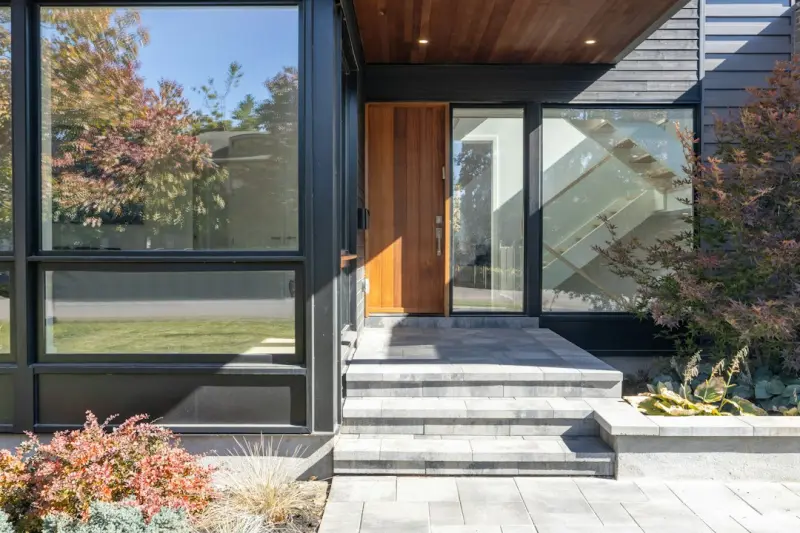
Entryway Zen: Turning Your Front Door Into a Calm, Functional Hub
Learn how to convert a chaotic entryway into a calming sanctuary with purposeful decluttering, multitasking furniture, soft lighting, sound‑softening rugs, an...Read More
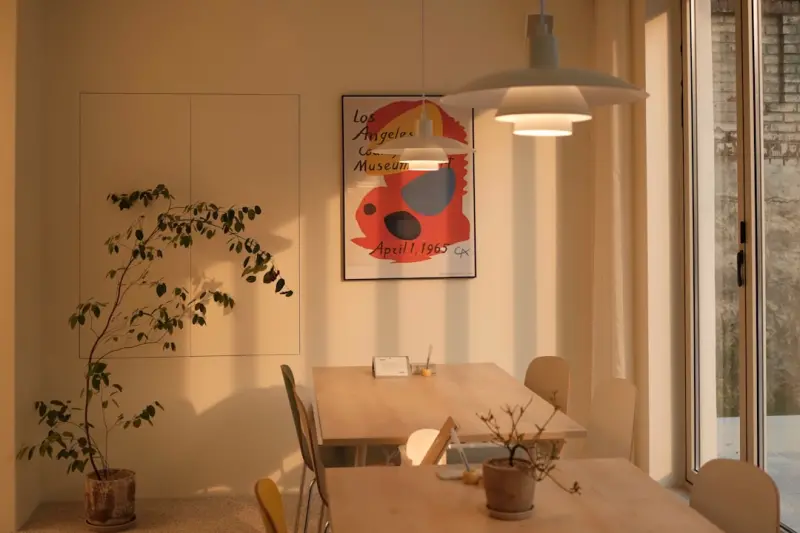
Brighten Up: Transform Your Home with Light‑Focused Design
Learn how to harness natural and artificial light to improve mood, increase productivity, and create a healthier home environment with actionable, budget‑frie...Read More
0 Comments
Post Comment
You will need to Login or Register to comment on this post!