

Unlock Hidden Storage: A Practical Guide to Maximizing Every Nook in Your Home
When you walk into a room and instantly sense “there’s not enough space,” it’s not a flaw in the architecture—it’s a missed opportunity. Most homes, even the coziest apartments, are riddled with tiny, under‑used corners that, with a bit of imagination, can become the secret heroes of organization. In this guide, I’ll walk you through a step‑by‑step process to identify, evaluate, and transform those hidden nooks into functional storage zones. The result? A home that feels larger, calmer, and far more livable—all without a major renovation.
1. Start with a Space Audit (And a Fresh Mindset)
Before you rush to buy new shelves or containers, take a systematic walk through each room. Grab a notebook or a digital note‑taking app, and answer three simple questions for every area you examine:
- What is the primary purpose of this space? (e.g., cooking, relaxing, working)
- What items do I keep here that don’t belong? (Clutter, stray shoes, random paperwork)
- Which corners, gaps, or surfaces feel under‑utilized? (Above doors, under staircases, behind doors, the back of the pantry)
Documenting these observations forces you to see each square foot through a new lens—turning “dead space” into “potential storage.”
2. Vertical Real Estate: The Power of Height
One of the most overlooked dimensions in a typical home is the vertical plane. While many of us think about floor space first, the walls and ceilings hold untapped potential. Here’s how to leverage height without turning your walls into a cluttered mess:
- Floor‑to‑Ceiling Shelving: Install narrow, adjustable shelves that run from the baseboard up to the ceiling. Use the topmost shelves for rarely used items—think seasonal décor or spare linens.
- Floating Ladder Shelves: A simple wooden ladder, repurposed as a shelving unit, provides a rustic yet functional way to store books, plants, or baskets.
- High Hooks and Pegboards: In kitchens and garages, install sturdy hooks 6‑8 feet up to hang pots, bicycles, or tools. Pegboards give you customizable slots for small hardware.
Vertical solutions not only free up floor space but also create a visual rhythm that can make a room feel taller and more organized.
3. The Under‑Bed and Under‑Furniture Opportunity
Many of us use the space under the bed for storage, but we rarely consider the underside of other furniture pieces. Here’s how to make the most of that hidden real estate:
- Slide‑out Bins: Use low‑profile rolling bins that glide out from under the bed or sofa. Label each bin with a clear, concise tag—think “Winter Coats” or “Kids’ Art Supplies.”
- Pull‑out Drawers for Sofas: Some modern sectional sofas come with built‑in drawers; if yours doesn’t, consider retrofitting a shallow drawer into the sofa’s frame.
- Under‑Stair Storage: If you have a staircase, the space beneath can be turned into a pull‑out drawer, a wine rack, or a compact pantry.
These hidden compartments keep items out of sight while staying within easy reach.
4. Repurposing Everyday Objects for Storage
Instead of buying new organizers, look around your home for items that can be given a second life. Here are a few clever hacks:
- Vintage Suitcases: Stack a couple of sturdy suitcases at the foot of your bed for a stylish nightstand and extra storage.
- Glass Jars as Bathroom Organizers: Clean mason jars can hold cotton balls, makeup brushes, or toothbrushes—adding a decorative touch to a functional need.
- Old Ladder as a Pot Rack: In the kitchen, a leaning wooden ladder can hold pans, cutting boards, and even a small herb garden.
These repurposed pieces add personality while solving storage problems without adding clutter.
5. Create “Micro‑Zones” for Daily Routines
Instead of a single, sprawling clutter hub, break your storage into small, purpose‑driven zones. For instance, a “mail‑and‑keys” nook by the entryway can consist of a shallow tray, a hook rack, and a small basket for incoming paperwork. By assigning each micro‑zone a clear purpose, you reduce decision fatigue and make tidying up a habit rather than a chore.
For inspiration on curating intentional spaces, check out The Seasonal Gallery Blueprint. While it focuses on décor rotation, the underlying principle—designating purposeful zones—applies equally to storage.
6. Smart Labeling Systems
Labeling is often overlooked, yet it’s a game‑changer for maintaining organization. Consider these strategies:
- Color‑Coded Labels: Assign a color to each family member or each type of item (e.g., blue for paperwork, green for gardening supplies).
- QR Code Tags: Print simple QR codes that link to an inventory spreadsheet. Scan to see what’s stored where, making it easy to locate items during a quick search.
- Reusable Chalkboard Labels: Attach a small chalkboard sticker to bins so you can update contents without waste.
When you can instantly see where something belongs, you’re far less likely to let it become “lost” and end up cluttering a surface.
7. Seasonal Rotation: A Dynamic Storage Approach
Many households accumulate items that are only needed a few months each year—think holiday decorations, winter coats, or summer sports gear. Rather than letting them occupy permanent space, adopt a rotation system:
- Identify Seasonal Items: Separate items into “summer,” “winter,” and “all‑year” categories.
- Designate a Seasonal Closet: Use a high shelf or an under‑bed bin for off‑season gear.
- Swap Out Quarterly: As the season changes, move the relevant items to a more accessible spot and store the out‑of‑season items away.
This method not only frees up space for daily essentials but also keeps your home feeling fresh and relevant throughout the year.
8. Optimize Entryway Storage Without Overcrowding
The entryway is the first impression of your home, yet it’s often a catch‑all for shoes, coats, mail, and random bags. Turn this high‑traffic area into an organized hub by:
- Using Slim Shoe Racks: Narrow vertical racks can hold multiple pairs while staying out of the way.
- Installing a Wall‑Mounted Bench: A bench with a hidden compartment provides a spot to sit while removing shoes, plus storage underneath for scarves or gloves.
- Adding a Small “Command Center”: A wall-mounted corkboard with hooks, a tray for keys, and a small shelf for a charging station keeps daily necessities in one place.
For a holistic view on creating low‑stress home environments, see Designing a Low‑Stress Home Rhythm. A well‑organized entryway sets the tone for calm throughout the rest of your living space.
9. The “Invisible” Storage: Behind Doors and Within Cabinets
Doors and cabinet interiors are prime real estate for hidden storage:
- Over‑Door Organizers: Use clear pockets on the inside of pantry doors for snacks, spices, or cleaning supplies.
- Cabinet Door Racks: Attach slim racks to the inside of kitchen cabinet doors for cutting boards, foil, or small utensils.
- Magnetic Strips: Place magnetic strips inside cabinet doors to hold metal tools, spice tins with metal lids, or small grooming accessories.
These invisible solutions keep surfaces clear while ensuring essentials are always at hand.
10. Maintenance: The 5‑Minute Nightly Reset
All the clever storage ideas in the world won’t last if you don’t maintain them. Implement a quick nightly reset routine:
- Return items to their designated micro‑zones.
- Check the entryway “command center” and clear any stray items.
- Wipe down surfaces that hold frequently used objects.
- Quickly glance at your labeling system—update any changes.
- Close all cabinets and doors, ensuring everything is neatly stored.
Just five minutes a night keeps clutter from accumulating and reinforces the habit of returning items to their rightful homes.
Conclusion: Turn Every Nook into a Feature
By shifting your perspective from “lack of space” to “hidden opportunities,” you can transform even the smallest apartments into well‑ordered, stress‑free sanctuaries. Remember, the goal isn’t to cram more into your home—it’s to make the space you already have work smarter for you. With vertical storage, repurposed objects, micro‑zones, smart labeling, and seasonal rotation, every nook becomes a purposeful feature rather than a forgotten void.
Start with a simple audit, pick one area to tackle, and let the momentum build. In no time, you’ll walk through a home that not only looks organized but feels genuinely spacious and welcoming.

Robert Mathews is a professional content marketer and freelancer for many SEO agencies. In his spare time he likes to play video games, get outdoors and enjoy time with his family and friends .
Related Posts
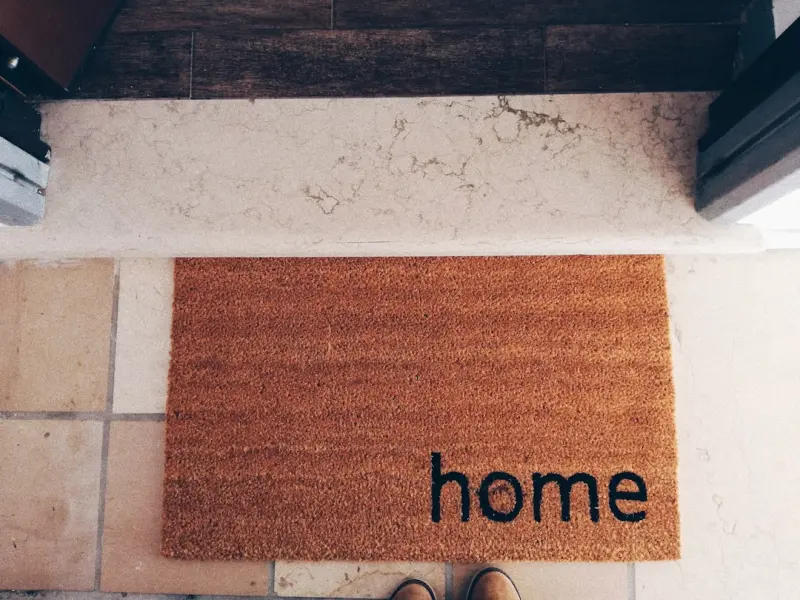
Plug‑In Power: DIY Smart Energy Hacks for Every Home
A step‑by‑step guide to creating a DIY energy audit, using smart plugs, lighting, and simple ins... Read More

Designing a Remote‑Work Ready Home That Fuels Focus and Well‑Being
Discover how to remodel your living space into a remote‑work ready environment with zones for focu... Read More
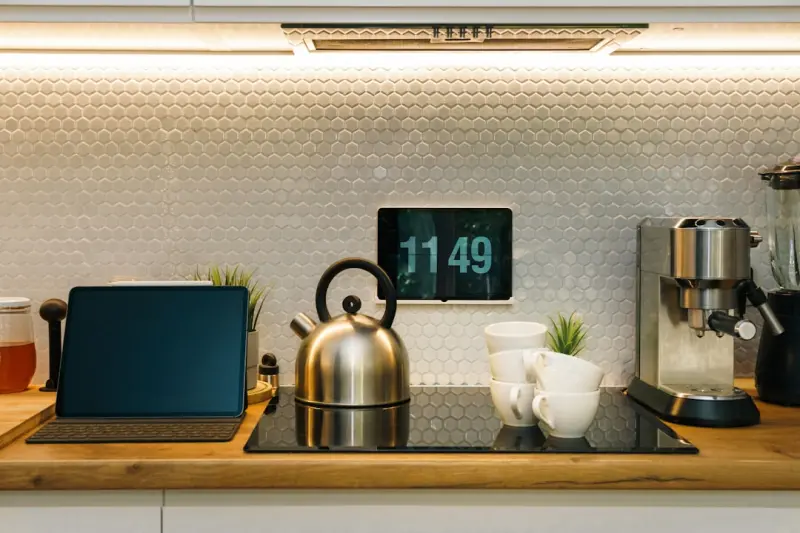
Smart Home Energy Hacks for Everyday Comfort
Learn practical, low‑cost home energy hacks—from natural light tricks to smart thermostat secret... Read More
Top Posts
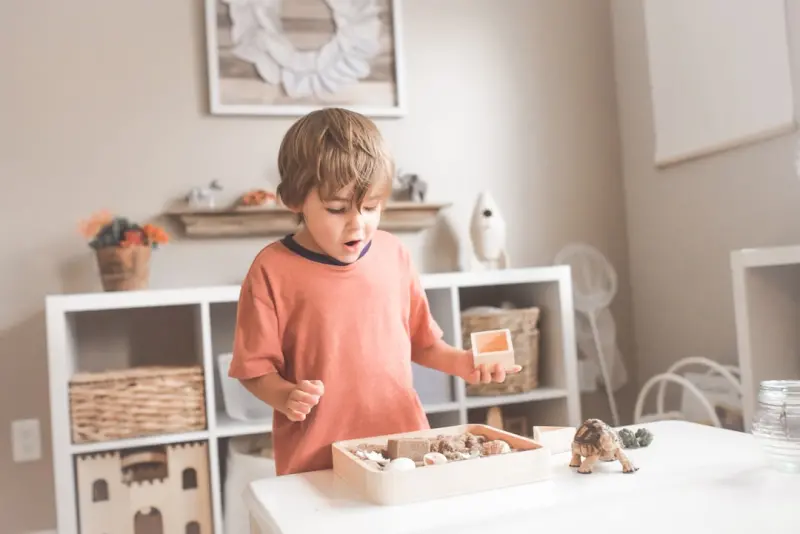
When Play Becomes Therapy: Reclaiming Childhood Joy for Adult Mental Wellness
This article explores how integrating playful activities into daily routines can enhance mental health, improve focus, and build resilience, offering practical ...Read More

Crafting a Personal Brand That Supercharges Your Career
Learn how to craft an authentic narrative, leverage social platforms, and showcase real projects to turn your personal brand into a career‑accelerating engine...Read More

Inbox Zen: How Mindful Email Management Boosts Mental Health
Learn how to transform a chaotic inbox into a calming ritual with practical steps, tools, and integration tips that improve focus, reduce anxiety, and enhance o...Read More

Gut Feeling: Everyday Practices to Strengthen Your Microbiome
Explore actionable, science‑backed habits—from fiber‑rich meals and fermented foods to mindful breathing and community support—that nurture your gut mic...Read More
0 Comments
Post Comment
You will need to Login or Register to comment on this post!