
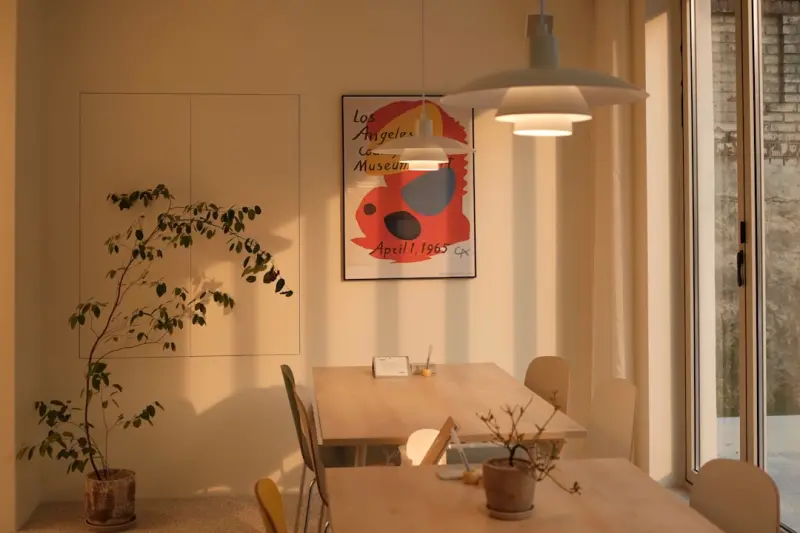
When you walk into a room, the first thing that greets you isn’t the furniture, the color palette, or even the scent—it’s the light. Light shapes how we feel, how we work, and how we connect with the space around us. Yet most of us treat lighting as an afterthought, flicking a switch and calling it a day. In this post, I’ll walk you through a step‑by‑step approach to harnessing both natural and artificial light, turning ordinary rooms into vibrant, mood‑lifting environments that boost productivity and well‑being.
Why Light Matters More Than You Think
Scientists have long documented the impact of light on our circadian rhythms, hormone production, and even cognitive performance. In practical terms, a well‑lit kitchen can make cooking feel less like a chore, while a thoughtfully illuminated home office can keep you alert during those long afternoons. The key is to understand three core principles:
- Intensity: How bright the light feels.
- Direction: Where the light comes from and where it casts shadows.
- Color temperature: Warm (yellowish) vs. cool (bluish) tones.
When you balance these variables, you create a dynamic environment that adapts to the time of day, the task at hand, and your personal rhythm.
Step 1: Audit Your Current Light Landscape
Before you add new fixtures or buy smart bulbs, take a systematic walk through each major space and answer a few quick questions:
- Where does natural light enter the room? Note the size and orientation of windows.
- Which areas feel dim or overly harsh?
- What tasks do you perform most often in each zone?
Jot these observations in a notebook or a simple spreadsheet. This audit becomes the blueprint for every lighting decision you’ll make moving forward.
Step 2: Maximize Daylight—Your Free, Most Natural Light Source
Daylight is free, energy‑efficient, and biologically optimal. Here’s how to capture more of it:
- Keep windows clear. Swap heavy drapes for sheer curtains that diffuse light while maintaining privacy.
- Use reflective surfaces. Light-colored walls, glossy tiles, or strategically placed mirrors bounce daylight deeper into a room. A large mirror opposite a window can double the perceived brightness.
- Trim exterior foliage. Overgrown trees or bushes can block sunlight. Trim them back to let the sun in, especially during winter months when you need extra warmth.
- Consider light‑enhancing window films. Low‑emissivity (Low‑E) films can improve insulation while preserving natural light.
When you prioritize daylight, you’ll notice an immediate lift in mood—a phenomenon often referred to as “seasonal affective relief.” It also reduces reliance on artificial lighting, lowering your electricity bill.
Step 3: Layer Your Artificial Light—Three Types, One Goal
Think of lighting as a three‑layered cake:
- Ambient (general) lighting: The base layer that provides overall illumination.
- Task lighting: Focused light for specific activities like reading, cooking, or working.
- Accent lighting: Highlights architectural features, artwork, or plants.
By combining these layers, you avoid the “one‑size‑fits‑all” glare that makes many rooms feel sterile.
Ambient Lighting: Setting the Mood
For ambient lighting, choose fixtures that distribute light evenly. Recessed LEDs, flush‑mount ceiling lights, or large diffused pendants work well. Aim for a color temperature between 2700K (warm) and 3000K for living spaces, and a cooler 3500K‑4000K in work areas to promote alertness.
Task Lighting: Precision for Productivity
Task lighting is where you can get truly strategic. In a home office, an adjustable desk lamp with a 4000K–5000K cool tone reduces eye strain and helps you stay focused. In the kitchen, under‑cabinet strip lights eliminate shadows on countertops, making chopping and measuring safer.
Accent Lighting: Adding Personality
Accent lighting is the decorative brushstroke that showcases personality. Use narrow‑beam spotlights to highlight a gallery wall, or LED strips behind shelving to create a subtle glow. For a cozy vibe, opt for warm‑white (2200K–2500K) bulbs that emulate candlelight.
Step 4: Embrace Smart Lighting for Flexibility
Smart bulbs have evolved beyond simple on/off switches. They now offer:
- Adjustable brightness and color temperature via mobile apps.
- Scheduling based on sunrise and sunset.
- Integration with voice assistants for hands‑free control.
- Scenes that automatically set the perfect lighting for reading, movie nights, or dinner parties.
Start small—replace a single fixture in a high‑traffic area with a smart bulb. As you grow comfortable, expand the system to create a fully automated lighting ecosystem.
Step 5: Sync Light with Your Daily Rhythm
One of the most powerful ways to use light is to align it with your natural circadian rhythm:
- Morning: Open curtains wide, use bright, cool light (~5000K) to signal wakefulness.
- Mid‑day: Keep windows open, supplement with neutral ambient lighting (3500K).
- Evening: Dim lights, shift to warm tones (2200K–2700K) to cue melatonin production.
- Night: Use minimal, low‑intensity red or amber night lights if needed.
This approach not only improves sleep quality but also boosts mental clarity throughout the day.
Step 6: Blend Light with Other Home‑Improvement Strategies
Lighting doesn’t exist in isolation. Pair it with complementary upgrades for a holistic transformation:
- Unlock Hidden Storage solutions to keep clutter off surfaces, allowing light to travel unobstructed.
- Incorporate The Curiosity Habit by experimenting with different lighting setups—swap a lamp, change bulb temperatures, and notice how your mood shifts.
- Integrate Tiny Motion, Big Impact by adding motion‑sensor lights in hallways or bathrooms, ensuring safety while conserving energy.
These synergies amplify the benefits of each individual improvement, creating a home that feels both functional and uplifting.
Practical Room‑by‑Room Light Makeover Guide
Living Room
Goal: Create a versatile space for relaxation, entertainment, and occasional work.
- Ambient: A dimmable 4‑lamp chandelier with a warm‑white setting.
- Task: A floor lamp beside the sofa with a cool‑white adjustable head for reading.
- Accent: LED strips behind the TV console to reduce eye strain and add a cinematic glow.
Kitchen
Goal: Ensure safety and efficiency while cooking.
- Ambient: Recessed LEDs with a neutral 3500K tone.
- Task: Under‑cabinet LED strips (5000K) that eliminate countertop shadows.
- Accent: A pendant light over the island for visual interest and extra illumination.
Home Office
Goal: Maximize focus and reduce fatigue.
- Ambient: A soft overhead panel light set to 3500K.
- Task: An adjustable desk lamp with a 4500K cool tone.
- Accent: A small LED backlight behind the monitor to ease eye strain.
Bedroom
Goal: Promote relaxation and restful sleep.
- Ambient: Dimmable warm‑white sconces on either side of the bed.
- Task: A bedside reading lamp with a 2700K hue.
- Accent: Soft, hidden LED strips along the headboard for a subtle night‑time glow.
Bathroom
Goal: Provide clear, flattering light for grooming.
- Ambient: A moisture‑rated ceiling fixture at 4000K.
- Task: Mirror‑mounted LED lights that mimic natural daylight.
- Accent: A small night‑light with a warm hue for late‑night trips.
Budget‑Friendly Lighting Hacks
Not ready for a full remodel? No problem. Here are low‑cost tricks that still deliver big results:
- Swap bulbs. Replace incandescent bulbs with energy‑saving LEDs of the same wattage but a higher lumens output.
- Use lamp shades strategically. Light‑colored or sheer shades spread light, while darker shades focus it.
- DIY diffusers. Place a thin white parchment sheet over a harsh lamp to soften the glow.
- Reposition furniture. Move a bookshelf away from a window to let light flow deeper.
Common Pitfalls and How to Avoid Them
Over‑lighting. Too many fixtures can create glare and visual fatigue. Stick to the three‑layer rule and use dimmers.
Ignoring color temperature. Mixing warm and cool bulbs in the same room can feel disjointed. Choose a consistent temperature for each layer.
Neglecting maintenance. Dusty fixtures reduce brightness. Clean bulbs and covers regularly to keep light output at peak.
Measuring Success—How to Tell Your Light Strategy Works
After implementing the changes, track a few simple metrics for a week:
- Energy consumption. Compare your electricity bill before and after.
- Mood journal. Note any shifts in energy levels, focus, or relaxation.
- Productivity logs. Record the time you spend on tasks; improved lighting often shortens completion time.
If you see positive trends, you’ve successfully turned light into a silent productivity partner.
Conclusion: Light as a Lifestyle Lever
Lighting is more than a functional necessity; it’s a lever you can pull to shape how you feel, work, and unwind at home. By auditing your space, maximizing daylight, layering artificial light, and syncing illumination with your daily rhythm, you’ll craft an environment that supports mental resilience, boosts productivity, and enhances overall well‑being. Start with one room, experiment, and watch the transformation ripple throughout your entire home.

Sanji Patel has dedicated 25 years to the SEO industry. As an expert SEO consultant for news publishers, he emphasizes providing both technical and editorial SEO services to news publishers worldwide. He frequently speaks at conferences and events globally and offers annual guest lectures at local universities.
Related Posts

Revamp Your Home with Low‑Effort, High‑Impact Tweaks
Learn how small, strategic changes—like smarter lighting, sound management, multi‑functional zon... Read More
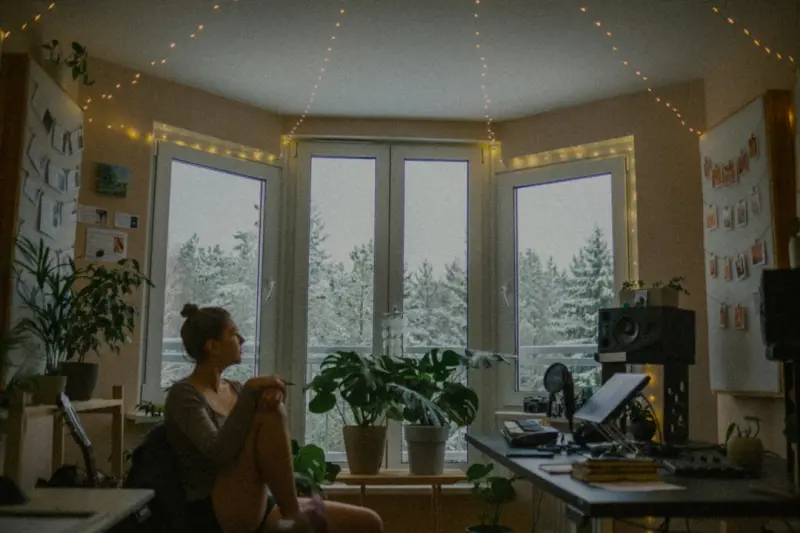
Quiet Home, Happy Home: DIY Acoustic Upgrades for Every Room
Discover practical, budget‑friendly steps to transform echo‑filled rooms into calm, quiet spaces... Read More
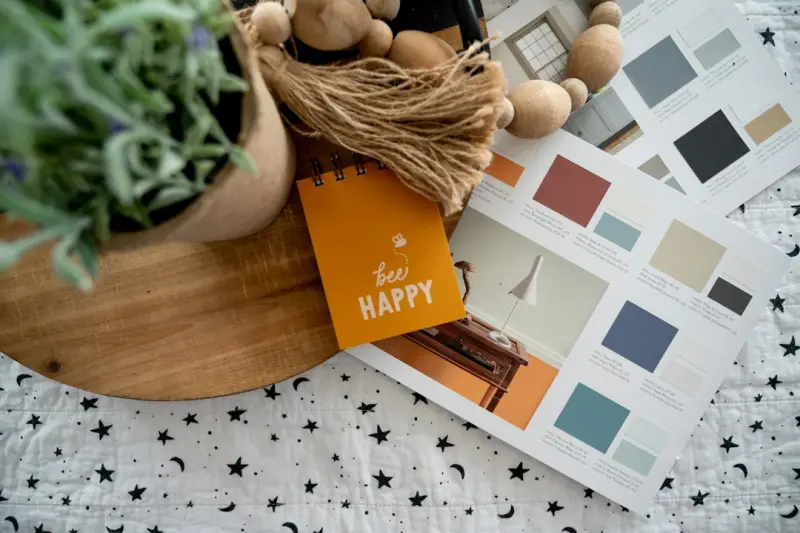
Seasonal Home Refresh: A Holistic Checklist for a Healthier, Brighter Space
A step‑by‑step seasonal checklist that covers air quality, natural lighting, storage, textiles, ... Read More
Top Posts
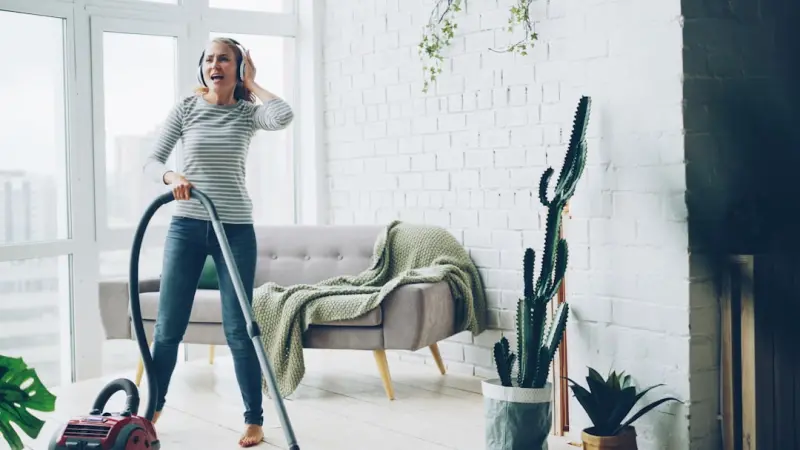
Transform Your Hallway into a Health‑Boosting Hub
Turn your often‑ignored hallway into a wellness corridor with lighting, scent, movement cues, and smart tech to enhance mood, health, and daily productivity....Read More
Why Light Is the Missing Piece in Remote‑Work Health
A deep dive into how proper light exposure reshapes circadian rhythms, improves gut health, and elevates productivity for remote professionals—complete with a...Read More
Cultivating a Plant‑Infused Reading Nook: A Green Escape for Book Lovers
Discover how to blend books and foliage to craft a tranquil, stylish reading nook that nurtures both mind and plants, complete with lighting tips and DIY plante...Read More

How a Portable Storytelling Toolkit Turns Every Trip Into a Living Narrative
Explore how a simple portable toolkit can transform your travels into vivid, shareable stories—capturing sounds, sketches, and moments wherever you roam....Read More
0 Comments
Post Comment
You will need to Login or Register to comment on this post!