

Why Your Screen Time Is Secretly Sabotaging Your Skin
We’ve all heard that scrolling for hours on a phone can tire our eyes and mess with our sleep. What many don’t realize is that the very light emitted by our screens is also a stealthy aggressor against our complexion. The blue‑rich glow, the heat from prolonged device handling, and the habit of touching our faces while we type—all combine to create a perfect storm for dullness, breakouts, and premature aging. In today’s hyper‑connected world, personal care can’t ignore the digital dimension.
The Science Behind Blue Light and Skin
Blue light (wavelengths between 400‑500 nm) is a natural component of sunlight, and for millennia our skin evolved to cope with it. Modern LED and LCD screens, however, emit a concentrated dose of high‑energy visible light (HEVL) that can penetrate deeper than UV‑A. Studies have shown that this exposure triggers the production of reactive oxygen species (ROS), leading to oxidative stress, inflammation, and the breakdown of collagen fibers.
In practical terms, this means:
- Increased redness and irritation – especially for those with sensitive or rosacea‑prone skin.
- Accelerated pigmentation – blue light can stimulate melanin synthesis, darkening existing spots and creating new ones.
- Weaker barrier function – the skin’s natural lipid matrix degrades faster, making it more susceptible to dryness and pollutants.
Heat, Touch, and the Hidden Culprits
It’s not just the light. Holding a phone or laptop close to the face raises skin temperature by up to 2 °C. This subtle heat can increase sebum production, leading to clogged pores and that dreaded midday shine.
Meanwhile, the habit of touching screens with fingers—often oily and laden with bacteria—transfers microbes directly onto the skin. The result is a perfect recipe for breakouts that appear just after a long Zoom call.
Re‑thinking Your Daily Skincare Ritual
Traditional skincare routines (cleanser, serum, moisturizer) still matter, but they need a digital upgrade. Below is a step‑by‑step framework that tackles both the classic concerns and the new, tech‑driven stressors.
1. Morning Screen‑Shield Serum
Start with a lightweight serum that contains antioxidants such as vitamin C, niacinamide, and ferulic acid. These ingredients neutralize ROS before they can damage collagen. Look for formulas that also boast blue‑light blockers—ingredients like lutein or bakuchiol that physically reflect high‑energy light.
2. Barrier‑Boosting Moisturizer with Ceramides
Because heat weakens the lipid barrier, a moisturizer rich in ceramides, cholesterol, and fatty acids is essential. These rebuild the “mortar” between skin cells, sealing in hydration and keeping pollutants out.
3. The Digital Detox Layer
Consider a light, breathable sunscreen that offers UVA/UVB/HEVL protection. Modern “digital‑day” sunscreens have zinc oxide or titanium dioxide particles engineered to scatter blue light without leaving a chalky finish.
4. Evening Clean‑Tech Routine
At night, the goal is to remove every trace of screen‑related residue. Double‑cleansing—first with an oil‑based cleanser to dissolve sunscreen and sebum, then with a gentle foaming wash—ensures pores stay clear.
Follow up with a retinol or bakuchiol night treatment to stimulate collagen repair, counteracting the oxidative damage accrued during the day.
Adapting Your Environment for Skin Health
Personal care is as much about the surroundings as it is about products. Here are three environment‑focused hacks that complement your routine.
Screen Filters and Night Modes
Most devices now include a “night shift” or “blue‑light filter” mode. Enable it after sunset and set it to a warm hue (around 2,700 K). For daytime use, consider a physical screen filter that reduces glare and cuts blue‑light intensity by up to 40%.
Workspace Ergonomics
Position screens at eye level and keep a distance of at least 20‑30 inches. This not only reduces eye strain but also minimizes heat exposure to the face. If you’re working long hours, incorporate short “screen‑free” micro‑breaks. Even a 30‑second pause to look away can lower cumulative blue‑light load.
Air Quality and Hydration
Indoor air conditioning can dry out skin. Use a humidifier to maintain 40‑60% humidity, and keep a glass of water at your desk to encourage regular sipping. Hydrated skin is more resilient against oxidative stress.
Tech‑Savvy Tools for the Modern Skincare Routine
Just as fitness trackers revolutionized exercise, a new wave of skin‑tech devices is helping us monitor and mitigate digital damage.
- Smart Mirrors: These reflect your skin’s current state, alerting you to redness, oil levels, and even blue‑light exposure over the past 24 hours.
- LED Light Therapy Devices: While blue light can harm, targeted therapeutic LEDs (red and near‑infrared) can repair. A 5‑minute session after work can boost collagen synthesis and calm inflammation.
- Wearable Skin Sensors: Emerging wearables measure skin temperature and humidity in real time, warning you when your face is overheating from device proximity.
Integrating the Approach into a Busy Lifestyle
Time‑pressed professionals often feel they can’t add more steps to their day. The key is to layer digital‑care habits onto existing routines.
For example, while waiting for your coffee to brew, apply your morning serum. During a short break between meetings, perform a 30‑second “screen‑free” facial massage using a jade roller—this stimulates circulation and reinforces the barrier.
By turning each micro‑moment into a skin‑boosting action, you’ll protect your glow without sacrificing productivity.
Mindful Consumption: The Intersection of Analog Rituals and Digital Life
Remember the calming power of unplugged grooming rituals? While the analog grooming movement encourages stepping away from screens, we can blend that wisdom with modern tech. For instance, set a timer to pause scrolling for ten minutes, then indulge in a traditional face massage with a scented oil. This hybrid approach satisfies both the desire for tactile, sensory experiences and the necessity of digital protection.
Small Changes, Big Results: A 30‑Day Challenge
To make the transition tangible, try this simple challenge:
- Day 1‑7: Activate night mode on all devices after 7 pm.
- Day 8‑14: Add a blue‑light‑blocking serum to your morning routine.
- Day 15‑21: Incorporate a 5‑minute LED red‑light therapy session after work.
- Day 22‑30: Perform a “screen‑free” facial massage during each coffee break.
Track changes in skin texture, oiliness, and overall radiance. Most users report noticeable improvement by the end of the month.
Looking Ahead: The Future of Personal Care in a Digital World
As AR glasses and immersive VR become mainstream, the line between physical and digital environments will blur further. Anticipate products that embed skin‑protective technology directly into wearables—think glasses with built‑in blue‑light filters that also release micro‑droplets of moisturizing mist.
Staying ahead means staying informed. Keep an eye on emerging research, and be ready to adapt your routine as new evidence surfaces.
Conclusion: Empower Your Glow in the Age of Screens
Your skin is a living canvas that reflects every habit you cultivate, from the food you eat to the devices you hold. By understanding the hidden impact of blue light, heat, and touch, and by integrating both analog wisdom and digital tools, you can safeguard your complexion while staying fully engaged in today’s connected world. The next time you pick up your phone, remember: a mindful swipe can be the first step toward a healthier, more radiant you.

Sanji Patel has dedicated 25 years to the SEO industry. As an expert SEO consultant for news publishers, he emphasizes providing both technical and editorial SEO services to news publishers worldwide. He frequently speaks at conferences and events globally and offers annual guest lectures at local universities.
Related Posts

Digital Sunset: Reclaiming Evening Calm for Personal Care
Margaret Thomson shares her personal “digital sunset” routine, a nightly unplugging practice tha... Read More
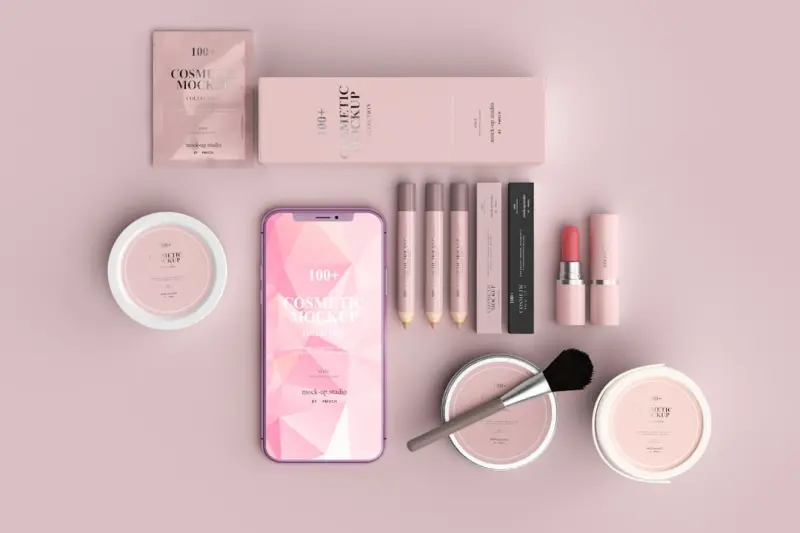
Smart Skincare: Wearables That Personalize Your Beauty Routine
Wearable devices now translate biometric data into personalized grooming advice, merging technology,... Read More
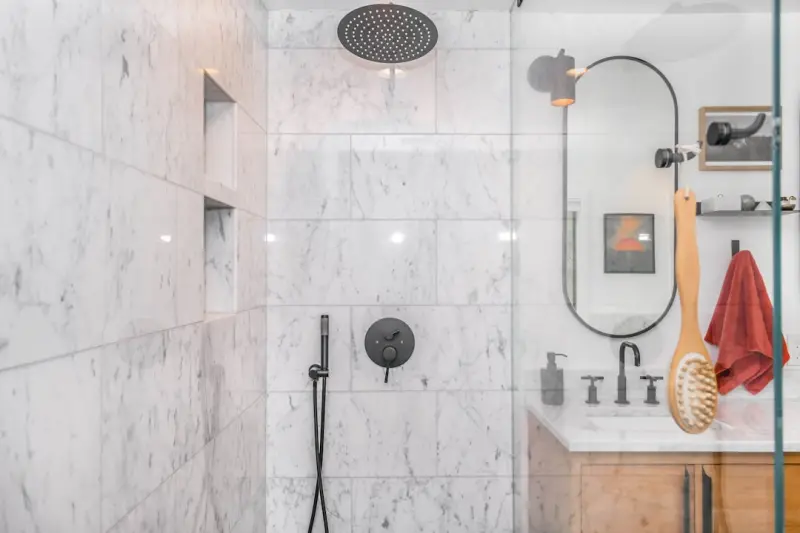
Transform Your Shower into a Mindful Self‑Care Sanctuary
Learn to reshape your daily shower into a purposeful self‑care ritual, using temperature, aroma, b... Read More
Top Posts

Finding Freedom on the Road: How a Digital Detox Transforms Travel
A digital detox isn’t just a trend—it’s a pathway to deeper, more meaningful travel. Learn why turning off devices, choosing low‑connectivity destinatio...Read More

Sensing Your Way to Better Self‑Care: A Sensory‑First Personal Care Blueprint
A personal‑care overhaul that starts with the senses: learn to use touch, scent, and sound to create calming routines, boost wellbeing, and make everyday groo...Read More

Turn Your Backyard Into a Nighttime Oasis Without Breaking the Bank
Learn how to craft a stunning backyard night oasis using reclaimed lanterns, solar string lights, smart timers, and water features—perfect for cozy evenings w...Read More
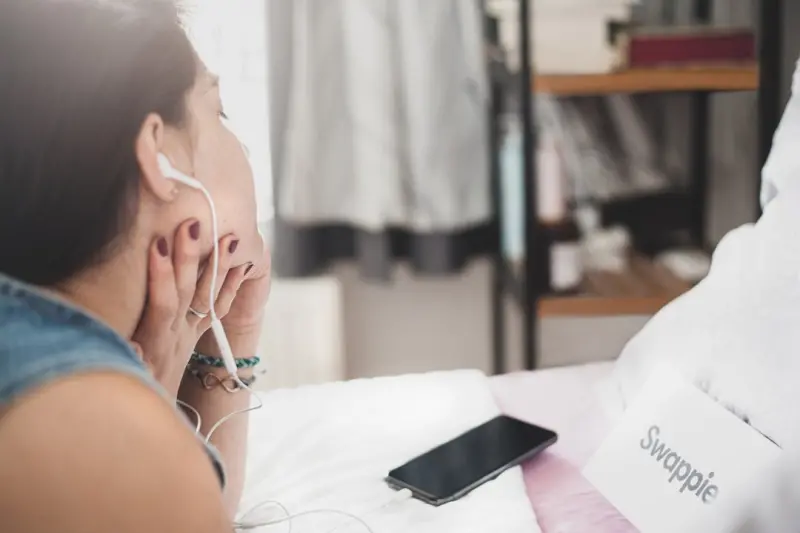
When Your Skin Talks: Decoding the Language of Biofeedback in Personal Care
Explore the rise of biofeedback in personal care, learning how wearable sensors turn everyday skin routines into insightful, data‑driven experiences for healt...Read More
0 Comments
Post Comment
You will need to Login or Register to comment on this post!