

Re‑imagining the Flow of Energy in Your Home
When you step through the front door, you’re not just entering a physical structure—you’re crossing into a network of subtle currents that influence how you feel, think, and even sleep. By paying attention to the layout of furniture, the placement of mirrors, and the direction of natural light, you can create pathways that invite vitality instead of stagnation. Start by clearing visual clutter near entryways; a clean line of sight encourages a feeling of openness and welcomes positive energy. Next, experiment with arranging seating so that backs are not directly against walls, allowing circulation and conversation to move freely. Even small adjustments, like rotating a rug to align with the sun’s path, can shift the room’s atmosphere dramatically. These intentional tweaks don’t require a remodel—just a mindful eye and a willingness to let the space breathe.
Harnessing Natural Light for Mood and Productivity
Sunlight is the most accessible mood‑enhancer you have, yet many homes waste its potential behind heavy drapes or dim fixtures. Begin by evaluating each window’s orientation: south‑facing panes deliver steady daylight, while east‑facing windows greet you with an energizing morning glow. Replace thick curtains with sheer fabrics or bamboo blinds that filter light while maintaining privacy. Position workspaces near these windows to sync your circadian rhythm with daylight, boosting focus and reducing eye strain. In rooms where direct sun is too harsh, consider installing reflective panels or light‑colored wall paint to bounce illumination deeper into the space. Pair these visual strategies with a few well‑chosen indoor plants—like a tall snake plant—to amplify the fresh, invigorating vibe that sunlight brings.
Acoustic Comfort: Crafting Quiet Corners in a Noisy World
Sound often goes unnoticed until it becomes intrusive, disrupting conversation, concentration, and sleep. To cultivate acoustic comfort, start by identifying the loudest sources—traffic, appliances, or an open‑plan kitchen. Soft furnishings such as plush rugs, heavyweight curtains, and upholstered chairs act as natural sound absorbers, reducing echo and reverberation. For a targeted solution, add a wall‑mounted acoustic panel made from recycled fabric; it doubles as a decorative element while taming excess noise. In bedrooms, consider a “quiet corner” with a small bookshelf, a beanbag, and a pair of noise‑cancelling headphones for reading or meditation. Even a simple water feature can mask disruptive sounds with a soothing background hum, turning a chaotic environment into a tranquil retreat.
Boosting Indoor Air Quality Without Complex Systems
Fresh air is the silent partner of a healthy home, yet indoor pollutants can accumulate unnoticed, affecting breathing and overall well‑being. Begin by opening windows for a few minutes each day to exchange stale indoor air with the outside breeze—a practice known as “ventilation flushing.” Next, introduce houseplants renowned for air‑purifying abilities: spider plants, peace lilies, and pothos absorb volatile organic compounds while releasing oxygen. To prevent mold and allergens, keep humidity levels between 30‑50 % using a simple hygrometer and a dehumidifier in damp areas like basements. Finally, replace conventional chemical cleaners with homemade alternatives—mixing vinegar, baking soda, and essential oils creates an effective, non‑toxic solution that won’t leave harmful residues in the air.
DIY Sensory Scent Stations for a Personalized Aroma Experience
Scents have a profound impact on mood, memory, and even perceived temperature, yet many homeowners rely on generic candles that burn out quickly. Create a bespoke scent station by repurposing a small tray or decorative bowl. Fill it with a blend of dried herbs (lavender, rosemary, or eucalyptus) and a few drops of matching essential oil. Place the station in high‑traffic areas—near the entryway, in the kitchen, or beside the home office desk—to release a subtle fragrance that evolves throughout the day. Rotate the herb‑oil combinations based on the season or your current emotional needs: citrus and mint for invigoration, vanilla and sandalwood for calm. This low‑cost, reusable approach not only personalizes your home’s aroma but also eliminates the need for synthetic, often allergenic, air fresheners.
Lighting Layers: Combining Ambient, Task, and Accent Light
Effective lighting goes beyond illumination; it shapes perception, highlights design, and influences emotional tone. Start with ambient lighting—soft, diffused light that fills the room—using dimmable LED ceiling fixtures or floor lamps with warm‑tinted bulbs. Next, add task lighting where precision is required: adjustable desk lamps for home offices, under‑cabinet LED strips for kitchen prep, or a focused reading light beside the sofa. Finally, incorporate accent lighting to draw attention to artwork, architectural features, or a favorite plant. LED strip lights with programmable color temperatures can shift from cool, energizing hues in the morning to warm, relaxing tones in the evening, supporting your natural sleep cycle. By thoughtfully layering these three lighting types, you create a dynamic environment that adapts to every activity and mood.
Integrating Smart Home Controls for Seamless Comfort
Technology can enhance comfort without adding visual clutter, provided you choose devices that blend with your décor. Smart plugs allow you to schedule appliances—like a coffee maker or a humidifier—to turn on before you enter a room, creating an anticipatory sense of ease. Voice‑activated assistants can dim lights, adjust thermostats, or play soothing playlists, turning routine actions into effortless gestures. When selecting smart bulbs, opt for models that sync with natural light cycles, gradually dimming as sunset approaches to cue your body for rest. These subtle automations free mental bandwidth, letting you focus on living rather than managing the minutiae of household tasks.
Creating a Home Library Nook That Invites Relaxation
A dedicated reading space can become a sanctuary for mental rejuvenation, especially when designed with comfort and aesthetics in mind. Choose a quiet corner—perhaps near a window to capitalize on natural light—and furnish it with a deep, supportive armchair or a cozy floor cushion. Add a small side table to hold a cup of tea and a reading lamp with adjustable brightness. Line the surrounding walls with open‑shelf bookcases that showcase your favorite titles, travel souvenirs, and a few green plants for a touch of life. To further personalize the nook, hang a soft, textured rug and drape a lightweight throw for added warmth. This curated micro‑environment encourages unplugged downtime, fostering both relaxation and intellectual curiosity.
Bringing It All Together: A Holistic Approach to Home Well‑Being
Each of the strategies discussed—energy flow, light, sound, air, scent, lighting layers, smart controls, and a reading nook—functions like a piece of a larger puzzle. When combined, they transform a house into a living organism that supports your physical health, mental clarity, and emotional balance. Start small: pick one area to refine, such as swapping heavy curtains for sheer ones to welcome daylight, and notice the shift in atmosphere. Gradually layer additional enhancements, monitoring how each change influences your daily experience. Over time, these incremental upgrades compound, creating a home that feels both nurturing and invigorating. Remember, the goal isn’t perfection but a personalized sanctuary that evolves with you, reflecting your unique rhythm and preferences.

Sanji Patel has dedicated 25 years to the SEO industry. As an expert SEO consultant for news publishers, he emphasizes providing both technical and editorial SEO services to news publishers worldwide. He frequently speaks at conferences and events globally and offers annual guest lectures at local universities.
Related Posts

Curating a Rotating Home Gallery: Fresh Ways to Refresh Your Space
Learn to turn your walls into a living gallery with easy swaps, seasonal themes, and DIY framing—b... Read More

Silent Sanctuaries: Budget Soundproofing Hacks for Every Room
Learn practical, low‑cost ways to reduce noise throughout your home—from bedroom seal‑ins and ... Read More
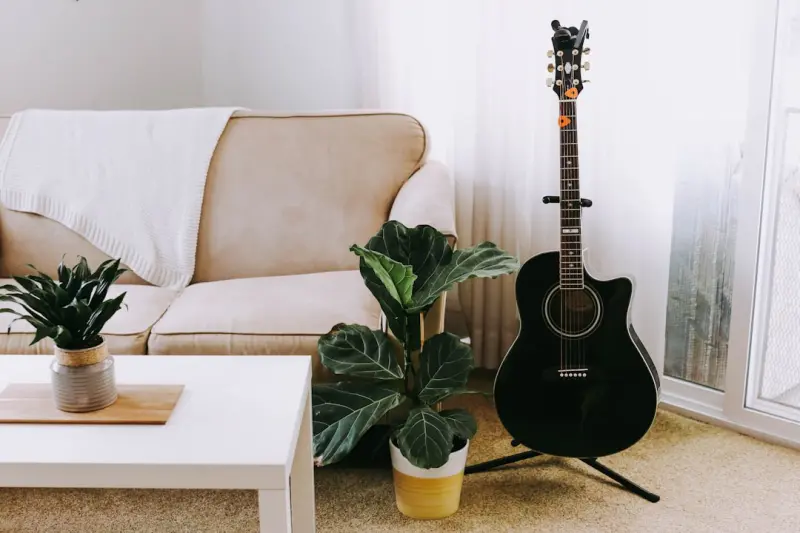
Boost Focus at Home with Simple Acoustic Upgrades
Learn practical, budget‑friendly acoustic improvements—from strategic soft furnishings to DIY so... Read More
Top Posts

Travel Sprints: Turning Mini‑Escapes into High‑Impact Growth Sessions
Learn how to treat short getaways as design sprints, using AI planning, minimalist packing, and micro‑travel habits to boost creativity, insight, and producti...Read More
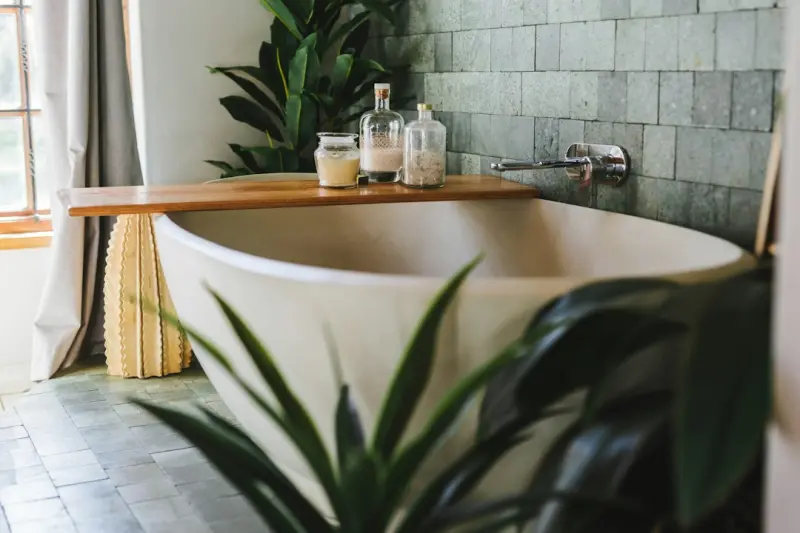
Designing a Bathroom Sanctuary: Mindful Rituals for Everyday Personal Care
Turn your bathroom from a functional space into a daily sanctuary using light, scent, sound, texture, and micro‑rituals. Learn practical, low‑cost steps to ...Read More

Micro‑Mentorship and Real‑Time Feedback: A Fresh Employment Blueprint
A practical guide to redesigning employment through micro‑mentorship networks, real‑time feedback loops, psychological safety, and structured sabbaticals, f...Read More

Why Skill‑First Hiring Beats Degree‑First Recruiting
Skill‑first hiring replaces degree requirements with concrete ability assessments, unlocking a broader, more diverse talent pool and aligning talent with real...Read More
0 Comments
Post Comment
You will need to Login or Register to comment on this post!