
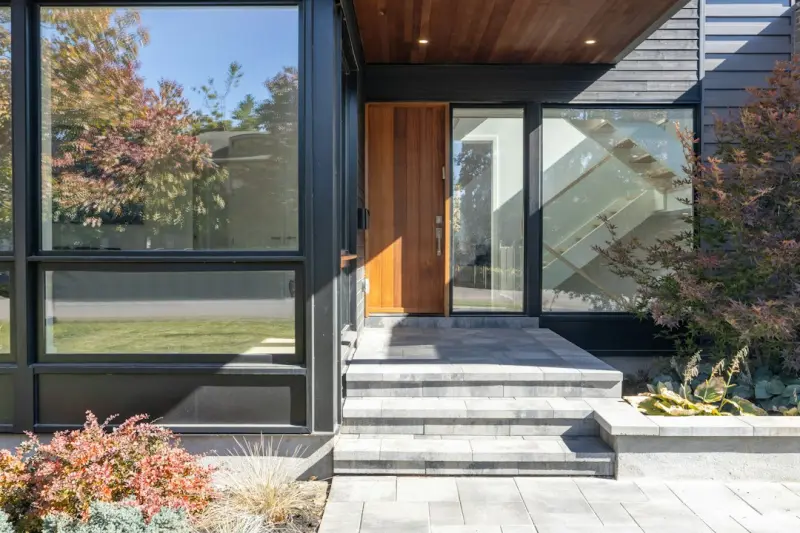
Welcome to Your Front Door Sanctuary
When I first moved into my downtown loft, the entryway was nothing more than a narrow hallway with a coat rack that looked like it belonged in a museum of forgotten furniture. Every morning felt like a rush‑hour traffic jam—shoes, bags, keys, and the ever‑present mental clutter spilling onto the floor. I realized that my front door wasn’t just a threshold; it was the first emotional cue for the day ahead. Over the past year, I’ve turned that chaotic choke point into a calm, functional hub that greets me with a sigh of relief instead of a groan. In this post I’ll walk you through the exact steps I took, the small habits that keep the space tidy, and a few design tricks that make the entryway feel like a mini‑retreat.
Step 1: Declutter With Purpose, Not Just “Throw It Away”
The first temptation when facing a mess is to dump everything into a box and call it a day. That works for a weekend garage clean‑out, but it rarely solves the everyday flow of an entryway. I started by asking myself three questions for each item I touched:
- Do I need it today? If the answer is “no,” store it elsewhere.
- Is it a “home” item or a “go‑out” item? Home items belong deeper in the house; go‑out items need a dedicated spot near the door.
- Does it bring me joy or utility? This is my nod to the “joy” test, but applied to function.
After sorting, I allocated three zones: drop‑off, gear‑up, and transition. The drop‑off zone holds things you come in with—keys, mail, a quick coat. The gear‑up zone is for items you need to grab before heading out—shoes, a weather‑appropriate jacket, a reusable water bottle. Finally, the transition zone is a small bench or shelf where you can set a bag down while you tie your shoes. This zoning creates a mental map that guides your movements without you even thinking about it.
Step 2: Choose Furniture That Multitasks
Every piece in the entryway should earn its keep. I swapped my bulky shoe cabinet for a smart storage trick—a slim bench with hidden compartments. When I sit to slip on shoes, the bench’s interior stores scarves, gloves, and a few extra shoe inserts. Above the bench, I installed a narrow floating shelf that holds a small planter and a decorative tray for keys and loose change. The bench also doubles as a seating spot for guests, turning a functional necessity into a welcoming gesture.
Step 3: Light It Up, But Keep It Soft
Lighting sets the tone. Harsh fluorescents scream “industrial” and can make you feel rushed. I opted for a warm LED pendant that hangs just above the bench, providing ample illumination without glare. To add a layer of softness, I placed a small, battery‑operated candle on the floating shelf. The flicker mimics natural firelight, instantly soothing the mind as you step inside. If your entryway is on the darker side, consider a mirror opposite the light source; it bounces illumination and creates the illusion of a larger space.
Step 4: Tame the Soundscape
Even if your entryway is visually calm, stray noises can jolt your senses—think of the clatter of keys on a metal tray or the echo of footsteps on a hard floor. I introduced sound‑softening ideas by adding a woven rug with a high pile. The rug absorbs footfall and muffles the metallic clang of dropped keys. Additionally, a simple cork board behind the bench serves as both a visual anchor and a noise dampener for hanging coats. These subtle acoustic tweaks help you transition from the bustle outside to a quieter interior mindset.
Step 5: Add a Touch of Nature Without the Green Thumb
Plants are the unsung heroes of any home zone, but the entryway can be tricky—light levels vary, and maintenance can become a chore. I chose a low‑maintenance snake plant in a matte black pot. It thrives in low light and requires watering only once a month. The plant not only purifies the air but also adds a vertical line that guides the eye upward, making the ceiling feel higher. If you’re allergic or lack a green thumb, consider a small bundle of dried lavender tied with twine. It offers a pleasant scent and a dash of rustic charm.
Step 6: Create a Mini “Command Center” for the Day Ahead
Our minds love to offload information, especially when we’re rushing out the door. I installed a small whiteboard on the wall opposite the bench. It’s perfect for jotting down quick reminders—doctor’s appointments, grocery lists, or a “don’t forget the umbrella” note. Pair this with a magnetic strip that holds spare pens, a charging cable for your phone, and a tiny tray for loose change. This micro‑command center gives you a visual cue to check off tasks before you leave, reducing the mental load that often lingers throughout the day.
Step 7: Personalize With Meaningful Details
Function is paramount, but personality is the glue that makes a space feel truly yours. I added three personal touches:
- A framed travel photograph from my last vacation, placed above the bench. It reminds me of calm seas and inspires wanderlust.
- A seasonal scent sachet tucked into the drawer of the bench—cinnamon in fall, pine in winter, citrus in spring.
- A handwritten welcome note for guests, tucked into a pocket on the bench. It’s a simple gesture that makes visitors feel considered.
These details don’t interfere with functionality; they simply enrich the experience of stepping into your home.
Step 8: Maintain the Flow With a Five‑Minute Nightly Reset
Even the best-designed entryway can slip back into chaos if you don’t maintain it. I’ve adopted a quick nightly routine that takes less than five minutes:
- Return any stray shoes to the bench.
- Wipe down the surface of the floating shelf with a microfiber cloth.
- Check the whiteboard, erase outdated notes, and add any new reminders.
- Place the keys in their designated hook and the mail in the tray.
- Take a moment to breathe, look at the photo, and appreciate the space you’ve crafted.
By treating the entryway as a living part of your home rather than a static backdrop, you keep it functional, inviting, and aligned with your daily rhythm.
Final Thoughts: Your Front Door as a Mindful Gateway
The entryway is the first story your home tells—one that can set the tone for the entire day. By decluttering purposefully, selecting multitasking furniture, softening light and sound, adding a touch of nature, and building a micro‑command center, you transform that narrow hallway into a sanctuary of calm and efficiency. Remember, the goal isn’t perfection; it’s creating a space that welcomes you back, eases your mind, and supports the rhythm of your life. Give these steps a try, and you’ll soon notice how a small, intentional makeover can ripple through the rest of your home, making every room feel a little more intentional, a little more you.

Karen Edwards is a seasoned freelance writer with a passion for all things furry, feathered, and scaled. With a dedicated focus on pets, she brings a wealth of knowledge and a keen eye for detail to her writing.
Related Posts
Transforming Your Home with Functional Minimalism
Learn how to apply functional minimalism in your home with simple decluttering tools, smart lighting... Read More
Pet‑Friendly Home Design: Style Meets Function
Discover how to create a beautiful, functional home that accommodates pets without sacrificing style... Read More
Boost Focus at Home with Simple Acoustic Upgrades
Learn practical, budget‑friendly acoustic improvements—from strategic soft furnishings to DIY so... Read More
Top Posts

The Secret Life of Soil: DIY Amendments for a Thriving Garden
Discover practical, step‑by‑step methods to transform ordinary dirt into a vibrant, living foundation for your garden, from composting to mycorrhizae and mu...Read More

Beyond Burnout: How Playful Digital Spaces Rewire Our Brain for Calm
A deep dive into how playful digital spaces—interactive zones, adaptive lighting, and gamified challenges—can transform workplace mental health, reduce burn...Read More

Digital Mind Gardens: Curating Online Spaces for Mental Well‑Being
Transform your digital life into a mental‑health sanctuary by pruning toxic content, planting uplifting feeds, and using simple tools to maintain a calm, purp...Read More
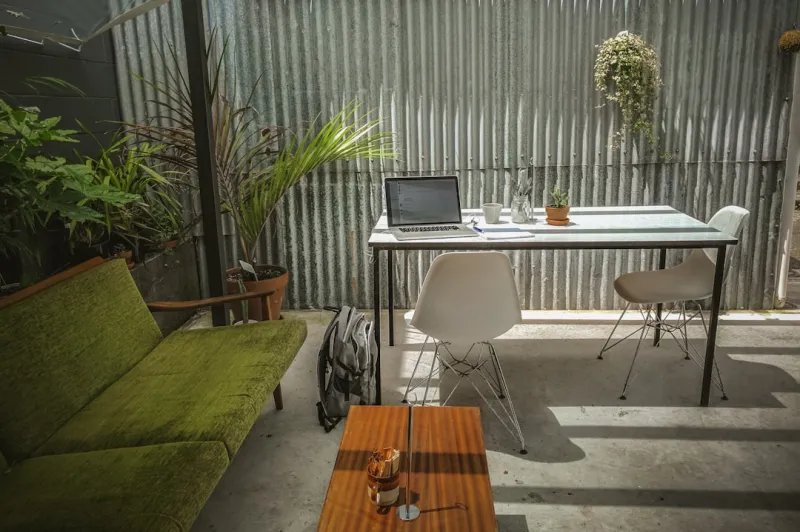
Why Garden Desks Are the Hottest Trend Transforming Home & Garden Living
Explore the rise of garden desks, blending nature with work to boost creativity, wellness, and eco‑friendly living in your home garden....Read More
0 Comments
Post Comment
You will need to Login or Register to comment on this post!