
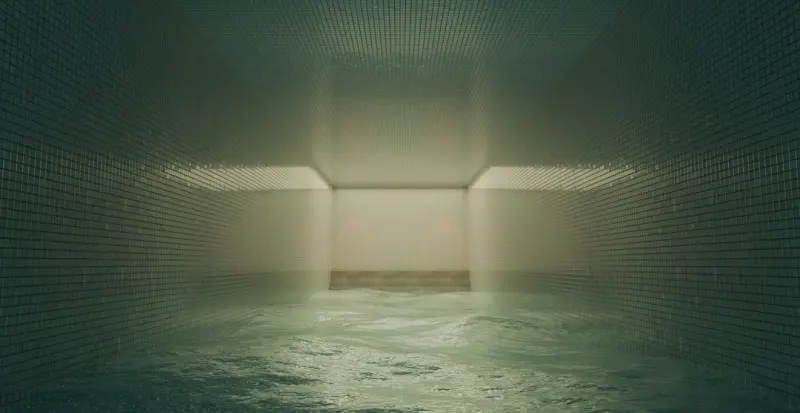
Cold Water Immersion at Home: The Under‑The‑Radar Immunity Booster
When I first heard the phrase “cold water immersion” I pictured myself shivering on a mountaintop, a scene straight out of an extreme‑sports documentary. In reality, the practice is a humble, kitchen‑sink‑level ritual that anyone can adopt—no mountain gear required. Over the past few months, I’ve been slipping my feet (and occasionally my whole self) into an icy bathtub after a long day of code‑crunching and client calls. The results? A sharper mind, fewer sick days, and a newfound appreciation for the simple shock of cold that most of us avoid.
Why Cold Makes Sense—Scientifically
Cold exposure triggers a cascade of physiological responses that have been studied for decades, yet the mainstream health conversation still overlooks them. Here’s what happens when you dip into frigid water:
- Vasoconstriction and vasodilation: The body first narrows blood vessels to preserve core temperature, then bursts them open when you warm up. This “vascular workout” improves circulation and can reduce inflammation.
- Brown fat activation: Unlike the energy‑storing white fat, brown adipose tissue burns calories to generate heat. Cold exposure awakens this tissue, boosting metabolism and helping regulate blood sugar.
- Hormonal surge: Norepinephrine spikes, delivering a natural mood lift and sharpening focus. Simultaneously, cortisol levels normalize over time, which can calm chronic stress.
- Immune modulation: Research shows a brief, regular cold shock can increase the count of circulating white blood cells, essentially giving your immune system a gentle “boot‑up.”
All of these effects stack together like a low‑tech, high‑impact supplement. The best part? You don’t need a fancy cryotherapy chamber; a regular bathtub and a bag of ice will do the trick.
Getting Started Without Turning Your Bathroom Into a Polar Bear’s Playground
My own approach was intentionally modest. I wanted a routine that felt sustainable, not a once‑a‑week “hardcore” challenge that would make me quit after the first shiver. Below is my starter protocol that you can tweak based on your comfort level and schedule.
- Preparation: Fill your tub with cool water—around 60°F (15°C) is a good starting point. Add a handful of ice cubes to nudge the temperature down if needed.
- Timing: Begin with a 30‑second immersion. Sit down, submerge your feet, then gradually lower your legs and torso. The goal is to stay calm and breathe through the shock.
- Breathing: Focus on slow, controlled breaths. This is where guided breathing techniques become your best ally. Inhale through the nose for four counts, exhale through the mouth for six. This rhythm counters the instinctual gasp response.
- Progression: Add ten seconds each session, aiming for a 2‑minute maximum after two weeks. Consistency beats intensity—daily 2‑minute dips are more beneficial than a weekly 10‑minute plunge.
- Warm‑up: After exiting, towel dry quickly and move into a warm environment. A cozy robe and a cup of herbal tea help the body transition smoothly, leveraging that vasodilation phase for optimal circulation.
Remember: the cold should be uncomfortable, not painful. If you experience numbness, dizziness, or chest pain, stop immediately and consult a medical professional.
Integrating Cold with Modern Lifestyle Tech
We live in a world where technology can amplify even the simplest habits. While the cold immersion itself is low‑tech, surrounding elements can be optimized for better results.
- Temperature‑controlled rooms: A smart thermostat that lowers the ambient temperature an hour before your dip can prime your body, making the transition less jarring.
- Light‑based circadian hacks: After your immersion, expose yourself to light‑based circadian hacks—bright, blue‑enriched light—to reinforce the wake‑up signal and keep your melatonin in check.
- Wearable feedback: Devices that track heart‑rate variability (HRV) can give you immediate data on how your nervous system is responding. A rising HRV after a session indicates improved stress resilience.
These tech‑assisted tweaks turn a simple practice into a holistic routine that syncs with your body’s natural rhythms.
The Psychological Edge: From Shock to Zen
Beyond the physiological benefits, there’s a mental game at play. Each plunge is a miniature confrontation with discomfort, and consistently choosing to stay the course rewires your relationship with stress. Over time, you’ll notice:
- Increased mental toughness: The habit of voluntarily entering an uncomfortable state builds a buffer against everyday pressures.
- Enhanced focus: The norepinephrine surge sharpens attention, which can translate into better productivity during work blocks.
- Better mood regulation: Endorphins released during cold exposure create a natural “high,” reducing reliance on caffeine or sugar spikes for energy.
Think of it as a daily “micro‑resilience” drill—short, intentional, and repeatable.
Cold Immersion vs. Traditional “Wellness” Trends
There’s a flood of wellness trends promising quick fixes: detox teas, intermittent fasting, high‑intensity interval training. While many have merit, they often require strict adherence, expensive gear, or drastic lifestyle overhauls. Cold water immersion, by contrast, is:
- Low‑cost: Your bathtub and a bag of ice are usually free.
- Time‑efficient: A 2‑minute session fits into any schedule.
- Scalable: Adjust temperature, duration, and frequency to match your comfort.
It’s a “no‑excuse” health lever that can coexist with any other wellness practice you’re already pursuing.
Potential Pitfalls and How to Avoid Them
Every habit comes with caveats. Here are the most common missteps and the ways to sidestep them:
- Over‑cooling: Dropping the water below 50°F (10°C) too quickly can cause hyperventilation. Start warm, then cool gradually.
- Skipping warm‑up: Jumping straight into ice water without a brief warm shower can shock the system excessively. A lukewarm rinse first reduces the abruptness.
- Ignoring medical conditions: Those with cardiovascular issues, Raynaud’s disease, or severe asthma should get clearance before starting.
- Neglecting post‑dip recovery: A quick transition to a heated environment and proper hydration are essential to prevent lingering stiffness.
Real‑World Stories: From Desk‑Jockey to Ice‑Embraced
When I first tried this in my apartment, I was skeptical. The first dip left me shaking, teeth chattering, and questioning my sanity. Yet, after a week of consistent practice, the after‑effects became evident:
- Fewer colds: I caught a cold once during a month-long sprint, versus the usual three‑plus bouts I endured annually.
- Sharper code reviews: My focus window expanded by roughly 20 % after a morning dip, as measured by time‑tracking software.
- Better sleep: The cooling of core body temperature before bedtime helped me fall asleep faster and stay asleep longer.
Colleagues have started asking about my “new routine,” and a few have joined me for a shared evening plunge. The communal aspect adds an extra layer of accountability—and a chance to laugh at each other’s shivering faces.
Putting It All Together: A Weekly Blueprint
Below is a sample weekly schedule that blends cold immersion with other health‑supporting habits. Feel free to adapt it to your own rhythm.
| Day | Morning | Evening |
|---|---|---|
| Monday | 10‑minute light‑based circadian hack (bright light exposure) | 2‑minute cold immersion + 5‑minute guided breathing |
| Tuesday | Walk (15 min) + hydration | Restorative stretch + warm tea |
| Wednesday | Cold immersion (2 min) + HRV check | Screen‑free wind‑down (no devices after 9 pm) |
| Thursday | Smart thermostat set to 68°F (20°C) during work | Light‑based circadian hack + short meditation |
| Friday | Cold immersion (2 min) + breathwork | Social activity (friends, board games) |
| Saturday | Longer outdoor walk or gentle hike | Optional second cold dip (if feeling adventurous) |
| Sunday | Recovery: yoga, stretching, hydration | Plan next week’s cold immersion schedule |
This blend ensures you’re not just cold‑focused; you’re supporting the practice with sleep, movement, and nutrition—creating a holistic health ecosystem.
Final Thoughts: Embrace the Chill, Reclaim Your Resilience
If you’re looking for a low‑cost, low‑time‑investment habit that offers tangible, science‑backed benefits, cold water immersion deserves a spot in your daily arsenal. It’s not about becoming a winter‑survivalist; it’s about giving your body a brief, controlled shock that awakens dormant pathways for immunity, metabolism, and mental clarity.
Start small, stay consistent, and watch as the chill becomes a catalyst for a healthier, more resilient you. Your future self—who’s less prone to colds, sharper at work, and calmer under pressure—will thank you for the icy step you took today.

Seth Samual is a name that's quickly becoming synonymous with compelling and insightful writing. As a freelance writer, Seth has carved a niche for himself by delivering high-quality content across a diverse range of subjects.
Related Posts

Step Into the Woods: Unleashing the Healing Power of Forest Bathing
Forest bathing, the practice of immersing yourself in nature, offers measurable health benefits like... Read More
Light‑Infused Living: How Sunlit Spaces Elevate Your Health
Natural light isn’t just a design trend—it’s a powerful health tool. Explore the science behin... Read More
Cold Exposure Therapy: Unlocking the Hidden Health Benefits of the Chill
Cold exposure therapy isn’t just a trendy challenge—it’s a science‑backed practice that acti... Read More
Top Posts

Green Workspaces: How Garden Desks Are Shaping the Future of Employment
Rose DesRochers reveals why garden desks are transforming work, offering health benefits, economic gains, and a sustainable future for employees everywhere....Read More

Illuminating Your Indoor Jungle: How Smart Lighting Transforms Home Gardening
Explore the power of smart lighting for indoor gardens, from choosing the right full‑spectrum LEDs to integrating AI and design tips that turn any dim space i...Read More
Travel as a Personal Data Experiment: Turning Trips into Insightful Labs
By treating each journey as a living laboratory, the author shares a data‑centric approach to travel, revealing how metrics, reflection, and mindful observati...Read More

Turn Your Backyard Into a Nighttime Oasis Without Breaking the Bank
Learn how to craft a stunning backyard night oasis using reclaimed lanterns, solar string lights, smart timers, and water features—perfect for cozy evenings w...Read More
0 Comments
Post Comment
You will need to Login or Register to comment on this post!