
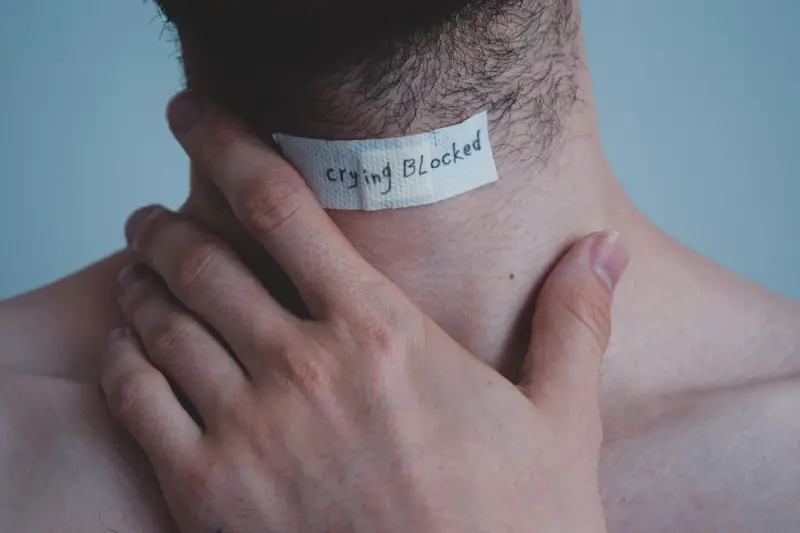
Cold Exposure Therapy: Why the Chill Might Be Your Next Wellness Super‑Power
When I first stepped out of the shower into a brisk winter morning, my teeth chattered and my skin tingled with a shock that felt half‑painful, half‑exhilarating. I admit, my initial reaction was to rush back into the warmth of my bathroom rug and a steaming cup of coffee. But something about that icy rush lingered in my mind. Over the past few months, I’ve been deliberately courting the cold—short cold showers, weekly ice‑bath sessions, even the occasional polar plunge. What started as a curiosity has turned into a cornerstone of my health routine, and I’m convinced that the benefits run far deeper than the immediate buzz.
Cold exposure therapy (CET), sometimes called cold thermogenesis or cryotherapy, isn’t a new concept. Ancient cultures—from the Finnish saunas followed by ice swims to the Japanese practice of misogi—have long embraced the cold as a path to physical and mental fortitude. Modern science is finally catching up, revealing a cascade of physiological responses that can improve immunity, metabolism, mood, and even longevity.
The Science Behind the Shiver
When you expose your body to cold, a series of adaptive mechanisms kick in:
- Brown Fat Activation: Unlike the energy‑storing white fat, brown adipose tissue burns calories to generate heat. Cold exposure stimulates brown fat, increasing metabolic rate and aiding weight management.
- Hormonal Surge: Norepinephrine, a hormone and neurotransmitter, spikes during cold stress. This not only boosts alertness and focus but also has anti‑inflammatory properties.
- Immune Modulation: Regular cold exposure has been linked to higher counts of circulating immune cells—particularly natural killer (NK) cells—enhancing the body’s ability to fend off infections.
- Endorphin Release: The body releases endorphins in response to cold, delivering a natural “high” that can alleviate symptoms of anxiety and depression.
- Improved Circulation: Vasoconstriction followed by vasodilation (the body’s way of preserving core temperature) improves vascular tone and can lower blood pressure over time.
These responses are not just fleeting; with consistent practice, the body becomes more efficient at handling stress, leading to what researchers call “hormesis” – a beneficial adaptation to low‑level stressors.
Getting Started: My Step‑by‑Step Cold Routine
Before you dive head‑first into an ice bath, it’s essential to build a gradual tolerance. Here’s the routine that’s worked for me, adaptable to any schedule or climate.
- Morning Cold Splash: End your regular shower with a 30‑second blast of cold water. Start with lukewarm, then turn the tap down to the coldest setting you can tolerate. Focus on breathing—slow, deep inhales through the nose, long exhales through the mouth.
- Weekly Ice‑Bath Session: Fill a bathtub with 10‑12 °C (50‑55 °F) water and add ice cubes. Submerge for 2–3 minutes, gradually extending to 5 minutes as you become comfortable. Keep a timer, a warm blanket, and a hot beverage within reach.
- Cold Walks: On days when the weather permits, dress in layers but skip the heavy coat for a brisk 10‑minute walk. The key is to feel the chill on your skin without risking hypothermia.
- Mindful Breathing: Pair each cold exposure with a simple breathing pattern—inhale for four counts, hold for two, exhale for six. This technique mirrors the principles in Breathing the City: How Conscious Air Can Transform Urban Health, reinforcing the mind‑body connection.
Listen to your body. If you feel light‑headed, numbness beyond the surface, or severe shivering, stop immediately and warm up gradually.
Cold Exposure and Seasonal Reset: A Natural Partnership
One of the most profound ways I’ve integrated CET into my wellness strategy is by aligning it with the natural rhythms of the year. While Seasonal Reset emphasizes syncing diet, light, and activity with the seasons, cold exposure adds a physiological anchor that deepens that sync.
During winter, the days are shorter and temperatures drop, naturally encouraging our bodies to conserve energy. By intentionally seeking out cold, we counteract the tendency to become sedentary and sluggish. The activation of brown fat helps maintain core temperature without over‑relying on external heating, subtly nudging metabolism upward. In the spring and summer, a brief dip in cold water after a hot workout accelerates recovery and reduces muscle inflammation.
Think of CET as a “reset button” that complements the broader seasonal reset. It reminds the nervous system that stress can be managed, that the body is resilient, and that we can thrive even when nature seems harsh.
Beyond the Physical: Mental Health Benefits
Many people associate cold exposure with physical outcomes, but the mental health impact is equally compelling. The surge of norepinephrine and endorphins creates an acute mood lift, often described as a “runner’s high” without the miles. For those struggling with anxiety, the controlled stress of cold exposure can serve as a rehearsal for handling other stressors.
Research indicates that regular cold exposure can reduce symptoms of depression by influencing the brain’s serotonergic pathways. Additionally, the discipline required to sit in an ice bath—a practice of staying still, breathing, and observing discomfort—mirrors mindfulness meditation. The act of embracing the cold can cultivate a sense of mastery, fostering confidence that spills over into other areas of life.
Safety First: Common Pitfalls and How to Avoid Them
Cold exposure is powerful, but it’s not a free‑for‑all. Below are the most common missteps and my advice on how to sidestep them.
- Over‑exposure: Jumping straight into a 5‑minute ice bath without prior adaptation can cause hyper‑ventilation or a drop in core temperature. Start with short bursts and increase gradually.
- Ignoring Underlying Health Conditions: People with cardiovascular issues, uncontrolled hypertension, or Raynaud’s disease should consult a healthcare professional before starting CET.
- Skipping Warm‑up After: Rapid re‑warming (like jumping straight into a hot shower) can stress the cardiovascular system. Instead, wrap yourself in a warm blanket, sip a hot beverage, and allow your body to adjust naturally.
- Neglecting Breathwork: Shallow, rapid breathing during exposure can lead to hyper‑ventilation. Focus on steady, diaphragmatic breaths—this aligns with the principles discussed in Micro‑Rituals: Redefining Personal Care in the Age of Distraction—to keep your nervous system calm.
Integrating Cold Exposure Into a Holistic Lifestyle
Cold therapy works best when paired with other supportive habits. Here’s how I weave it into a broader wellness tapestry:
- Nutrition: A diet rich in omega‑3 fatty acids (found in fatty fish, flaxseeds, and walnuts) supports cell membrane health, enhancing the body’s response to cold.
- Movement: Regular strength training boosts muscle mass, which helps generate internal heat. Pair a workout with a post‑exercise cold plunge to reduce inflammation.
- Sleep Hygiene: Cold exposure can improve sleep quality by regulating melatonin release. I aim to finish my ice‑bath at least two hours before bedtime, allowing my core temperature to dip naturally.
- Mindful Practices: Incorporate brief meditation or gratitude journaling after each cold session. This creates a mental anchor that reinforces the positive emotional association with the practice.
Real‑World Stories: How Cold Exposure Changed My Life
It’s one thing to cite studies; it’s another to feel the transformation personally. Here are a few anecdotes from my own journey.
- Immune Resilience: After a month of consistent cold showers and weekly ice baths, I noticed I caught far fewer colds during the usual flu season. My doctor even remarked on the improved baseline blood markers.
- Energy Levels: The morning cold splash became my natural caffeine. Instead of reaching for a second cup of coffee, I felt a sustained alertness that lasted through my 9‑to‑5 workday.
- Stress Management: During a particularly stressful project deadline, a quick 2‑minute cold shower helped reset my nervous system, allowing me to refocus without the usual anxiety spikes.
- Weight Management: By activating brown fat, my basal metabolic rate nudged upward. Coupled with a balanced diet, I shed a few stubborn pounds without feeling deprived.
Frequently Asked Questions
Q: How long should a cold shower be?A: Start with 30 seconds and work up to 2 minutes. The goal is to finish feeling invigorated, not frozen.
Q: Can I use a cold shower if I have high blood pressure?A: Consult your physician first. In many cases, short, controlled exposure is safe, but professional guidance is essential.
Q: Is ice‑bath therapy the same as cryotherapy chambers?A: Both expose you to cold, but cryotherapy chambers use extremely low temperatures for a few minutes, while ice baths are more accessible and involve submersion in water at 10‑12 °C.
Q: How often should I practice CET?A: For most people, 3‑5 times per week (mixing showers, walks, and occasional ice baths) provides ample stimulus without over‑stress.
Putting It All Together: Your 30‑Day Cold Challenge
Ready to test the waters? Here’s a simple 30‑day plan to integrate cold exposure into your routine. Feel free to adapt based on your schedule and comfort level.
| Day | Activity | Duration |
|---|---|---|
| 1‑7 | Cold shower ending | 30 sec |
| 8‑14 | Cold shower ending | 45 sec |
| 15‑21 | Cold shower ending + 5‑minute brisk walk | Walk: 5 min |
| 22‑30 | Ice‑bath session (once) + cold shower | Ice‑bath: 2‑3 min |
Track how you feel each day—energy, mood, sleep, and any physical sensations. By the end of the month, you’ll likely notice subtle shifts that signal your body’s growing resilience.
Conclusion: Embrace the Chill, Reclaim Your Vitality
In a world that constantly seeks comfort, choosing to step into the cold can feel radical. Yet, that very radical choice is what makes cold exposure such a potent tool for health. It challenges the body, steadies the mind, and reminds us that we are capable of thriving under conditions most of us instinctively avoid.
If you’ve been curious about the buzz around ice baths, cold showers, or winter swims, I encourage you to start small, stay consistent, and observe the ripple effects throughout your day. Your future self—more energetic, resilient, and mentally sharp—will thank you for daring to feel the chill.

In the world of freelance writing, where creativity and adaptability are paramount, Michelle Fisher stands out as a dedicated and versatile professional. With a passion for crafting compelling narratives and a keen eye for detail, Michelle has established herself as a trusted voice.
Related Posts
Rewiring the Everyday: How a Simple Posture Reset Can Transform Your Health
A simple, one‑minute “posture reset” can open the chest, deepen breathing, lower stress hormon... Read More

Tuning Your Body: How Sound Waves Can Elevate Everyday Health
Explore the science behind sound healing, learn easy daily practices, and see how vibration can enha... Read More
Breathing Back Balance: Simple Practices to Reset Your Nervous System
This post reveals why breath is the hidden lever for health, explains the science of the nervous sys... Read More
Top Posts
Micro‑Rituals for Radiant Skin and Calm Minds
Learn the power of micro‑rituals: easy DIY serum recipes, mindful breathing, and sensory cues that boost skin health and calm the mind, all in a sustainable d...Read More

The Four‑Day Workweek: A Strategic Talent Retention Tool
A deep dive into the four‑day workweek as a talent retention strategy, covering models, performance metrics, case studies, and a step‑by‑step implementati...Read More

Green Workspaces: How My Garden Desk Is Revolutionizing Employment
Jimmy Damon shows why the garden desk isn’t just a trend—it’s a catalyst for a greener, more productive employment landscape....Read More
How Pop‑Up Cultural Labs Are Turning Ordinary Trips Into Unforgettable Experiments
Pop‑up cultural labs are temporary, collaborative spaces that let travelers co‑create with locals, turning a simple trip into an immersive experiment in cul...Read More
0 Comments
Post Comment
You will need to Login or Register to comment on this post!