
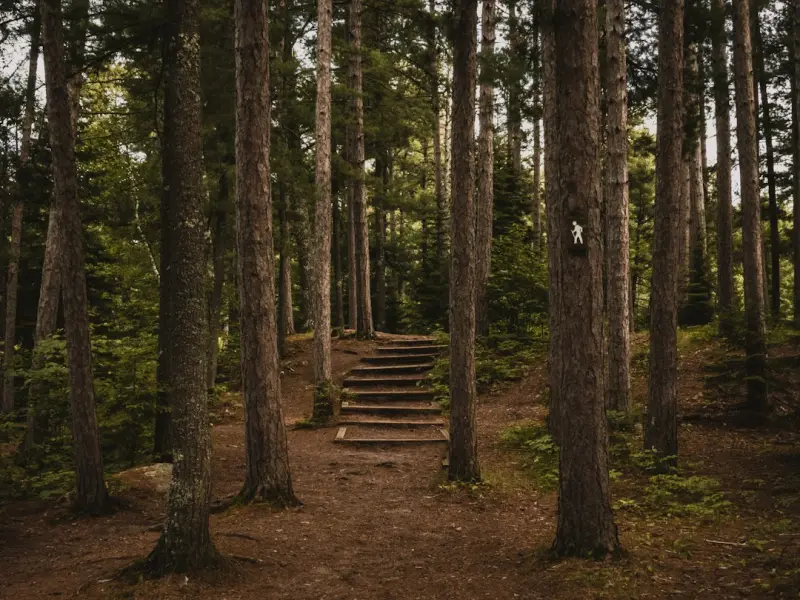
Step Into the Woods: Unleashing the Healing Power of Forest Bathing
When the hustle of deadlines, endless Zoom calls, and the glow of multiple screens starts to feel like a constant background hum, many of us instinctively reach for a coffee, a quick snack, or a meme to break the monotony. What if the most effective antidote isn’t a caffeine spike or a digital distraction at all, but a simple, intentional walk among trees?
Enter forest bathing—the Japanese practice of shinrin‑yoku, which translates to “taking in the forest atmosphere.” It isn’t about hiking to summit a peak or logging miles; it’s about slowing down, immersing your senses, and allowing the natural world to reset your nervous system. While the concept sounds almost poetic, a growing body of peer‑reviewed research shows that forest bathing delivers measurable physiological and psychological benefits that can dramatically improve the health of anyone tethered to a desk.
The Science Behind the Serenity
Researchers in Japan, South Korea, and the United States have conducted dozens of controlled studies on forest bathing. The results consistently highlight three core mechanisms:
- Reduced cortisol levels. Cortisol, the body’s primary stress hormone, drops significantly after a 20‑minute immersion in a forest setting, often returning to baseline faster than after a typical meditation session.
- Enhanced immune function. Phytoncides—volatile organic compounds emitted by trees—have been shown to increase the activity of natural killer (NK) cells, which are crucial for fighting viruses and tumor cells.
- Improved heart‑rate variability (HRV). Higher HRV indicates a resilient autonomic nervous system. Participants who engaged in forest bathing displayed a marked increase in HRV, signaling better stress recovery and cardiovascular health.
Beyond these quantifiable markers, participants repeatedly report elevated mood, sharper focus, and a profound sense of calm that lingers for days after their forest experience.
Why It Matters for the Modern Professional
Remote work and hybrid schedules have blurred the boundaries between “office” and “home,” often turning our living spaces into perpetual workstations. This 24/7 activation of the brain’s “fight‑or‑flight” mode can lead to burnout, impaired decision‑making, and chronic inflammation. Forest bathing offers a low‑cost, low‑tech counterbalance that directly tackles these issues.
Imagine this scenario: you’ve just wrapped a high‑stakes presentation, your inbox is buzzing, and you feel the familiar knot in your stomach. Instead of scrolling through social media for a quick dopamine hit, you step outside, find a nearby park, and practice a 20‑minute forest bath. Within minutes, your heart rate slows, breathing deepens, and that knot starts to dissolve. The same mental clarity you gain from a coffee can be achieved—without the crash—through a mindful connection with nature.
How to Practice Forest Bathing in the City
Contrary to popular belief, you don’t need a remote cabin or a national park to reap the benefits. Urban environments host pockets of green that are more than adequate for a restorative session. Follow these steps to turn any green space into a personal forest sanctuary:
- Choose Your Spot. Look for a city park, botanical garden, or even a tree‑lined street. The key is a place where you can experience a canopy of foliage and hear natural sounds.
- Leave Distractions Behind. Turn off notifications, leave your phone in your bag (or set it to “Do Not Disturb”), and commit to being present for the next 20 minutes.
- Engage All Five Senses.
- Sight: Observe the variations in leaf color, the dance of sunlight through branches, and the patterns of bark.
- Sound: Listen for bird calls, rustling leaves, and distant water—these natural soundscapes have been shown to lower blood pressure.
- Smell: Inhale deeply to capture the earthy aroma of soil and the fresh scent of pine or eucalyptus.
- Touch: Feel the texture of bark, the softness of moss, or the coolness of a stone bench.
- Taste: If safe and appropriate, you might sample a fresh herb or fruit from a community garden.
- Walk Slowly. There’s no rush. Let each step be deliberate, feeling the ground beneath your feet and syncing your breath with your stride.
- Reflect Quietly. After the walk, pause for a minute or two. Notice any changes in your mood, breath, or bodily sensations. Journaling these observations can reinforce the habit and track progress.
Even a brief 10‑minute session can produce measurable benefits, but aim for 20–30 minutes a few times a week for optimal results.
Integrating Nature Into Your Home: The green creative haven Approach
If stepping outside isn’t feasible on a particular day, bring the forest indoors. Here’s how to turn your living area into a miniature woodland:
- Live Plants. Incorporate a variety of foliage—ferns, pothos, snake plants—to increase indoor oxygen levels and boost mood.
- Natural Materials. Use wooden furniture, bamboo mats, or stone décor to echo forest textures.
- Ambient Soundscapes. Play recordings of forest sounds (birds, rustling leaves, distant streams) at low volume while you work.
- Soft Lighting. Opt for warm, diffused lighting that mimics dappled sunlight.
- Micro‑Green Gardens. A small countertop garden of herbs or sprouts can provide a tactile, aromatic link to nature.
These small tweaks, reminiscent of micro‑transformations, create an environment where the benefits of forest bathing can be accessed without leaving the house.
The Ripple Effect on Work Performance
When you regularly practice forest bathing, the impact spreads beyond personal well‑being. Companies that encourage nature breaks report:
- Higher employee engagement scores.
- Reduced sick days due to strengthened immune response.
- Improved creativity, as exposure to natural stimuli has been linked to divergent thinking.
- Better collaboration, because relaxed employees are more open to sharing ideas.
From a leadership perspective, offering scheduled “forest‑break” windows—or even sponsoring team outings to local parks—can be a low‑cost perk with high returns on morale and productivity.
Getting Started: A 7‑Day Forest Bathing Challenge
To help you embed this habit, try the following week‑long plan. Each day, allocate a specific time slot—ideally early morning or late afternoon—to your forest immersion.
| Day | Activity | Focus |
|---|---|---|
| 1 | Find a nearby park and sit quietly for 15 minutes. | Breath awareness. |
| 2 | Take a slow, mindful walk, counting each step. | Body‑mind connection. |
| 3 | Engage all senses; note three new observations. | Sensory immersion. |
| 4 | Practice a “tree hug” – gently wrap your arms around a trunk for a minute. | Grounding. |
| 5 | Combine forest bathing with a light stretching routine. | Physical flexibility. |
| 6 | Bring a colleague or friend for a shared forest experience. | Social bonding. |
| 7 | Reflect on the week: journal changes in stress, focus, and mood. | Integration. |
By the end of the week, you should notice a subtle shift: your mind feels clearer, your shoulders less tense, and your overall resilience to stress improved.
Common Misconceptions Debunked
“I need to hike for hours to get benefits.” – The research shows that even brief, low‑intensity exposure to greenery triggers the physiological responses discussed earlier.
“I live in a concrete jungle; there’s no nature for me.” – Urban parks, rooftop gardens, and even a row of street trees count. The key is intentional, mindful exposure.
“It’s just a trendy wellness fad.” – The peer‑reviewed data, spanning over two decades, confirms that forest bathing is a legitimate, evidence‑based health practice.
Putting It All Together
In an era where screens dominate our visual landscape and deadlines dictate our rhythm, forest bathing offers a timeless, science‑backed antidote. It doesn’t require expensive equipment, specialized training, or a vacation. All it demands is a willingness to pause, breathe, and let the natural world reset your internal equilibrium.
Whether you’re a busy executive, a creative freelancer, or anyone stuck in a perpetual hustle loop, carving out moments to step into the woods—real or imagined—can be the missing piece that elevates your health, sharpens your focus, and re‑energizes your professional life.

Jimmy Anand is a content creator that gets inspired by many aspects of life, internet or whatever inspires him at that moment. When he's not online he's gaming and when he is not gaming he is online trolling discussion boards.
Related Posts

Chilling Out: How Cold Water Therapy Boosts Health and Performance
Cold water therapy isn’t a fad; it’s a strategic health hack that triggers hormonal surges, acti... Read More

The Breath Reset: How Intentional Breathing Can Rewire Your Immune System
Intentional breathwork, especially slow exhalations, activates the parasympathetic system, reducing ... Read More

Personal Climate Hacks: How Tiny Temperature Tweaks Supercharge Your Health
Learn how small, targeted temperature adjustments in your home and office can improve immunity, shar... Read More
Top Posts

Revitalize Your Home with Upcycled Furniture and Natural Touches
Explore three easy upcycling projects—pallet coffee table, crate wall storage, and bottle-light pendants—to refresh your home with sustainable style and per...Read More

Cultivating Success: How My Green Workspace Transforms Home & Garden Living
Rose DesRochers reveals how a garden‑filled desk can revolutionize work‑life balance, offering design ideas, science‑backed benefits, and links to a thriv...Read More

The Quiet Revolution: How AI Is Redefining Corporate Sustainability
A deep dive into AI’s emerging role in corporate sustainability, offering practical insights on leveraging intelligent tools for greener, more resilient busin...Read More

Travel as a Sensory Storytelling Canvas
A guide to enriching your travels by deliberately engaging sight, sound, smell, taste, and touch, turning each trip into a memorable story....Read More
0 Comments
Post Comment
You will need to Login or Register to comment on this post!