

When the sun finally dips behind the trees, the real magic of a garden begins to whisper. I’ve spent countless evenings chasing that perfect balance between soft glow and functional illumination, and I’ve learned that a well‑designed night‑time oasis can transform a simple yard into a sanctuary for late‑night conversations, quiet reading, or even a spontaneous dance party. The secret isn’t a hefty budget or a catalog of high‑end fixtures; it’s a thoughtful mix of reclaimed materials, clever placement, and a dash of tech‑savvy planning that lets you control the ambience with the flick of a switch or a tap on your phone. In this guide I’ll walk you through the entire process, from sketching a lighting map to sourcing sustainable supplies, so you can craft a backyard that feels both intimate and expansive after dark.
Map Your Space and Light Layers
The first step is to treat your garden like a stage, identifying focal points, pathways, and zones where you’ll linger, then assigning each a specific lighting role. Think of ambient lighting as the soft blanket that fills the entire area—usually achieved with low‑profile uplights or diffused string lights draped along fence lines. Task lighting, on the other hand, highlights functional spots such as a grill, a stepping stone path, or a reading chair, using directed spotlights or LED step lights that provide just enough brightness to stay safe without ruining the mood. Finally, accent lighting adds drama to architectural features, sculptures, or towering trees, often with colored LEDs or small spotlights aimed at the bark. By layering these three types—ambient, task, and accent—you’ll create depth, prevent harsh shadows, and ensure every corner of your backyard feels intentionally lit rather than haphazardly illuminated.
DIY Reclaimed Lanterns and Upcycled Fixtures
One of my favorite ways to keep costs low while adding personality is to repurpose items you already own into charming lanterns; old mason jars, vintage metal buckets, and even discarded wooden crates become instant mood‑setters when paired with LED candles or battery‑powered fairy lights. The trick is to drill a few strategic holes for ventilation, line the interior with reflective foil, and then secure a weather‑proof power source—often a simple waterproof battery pack tucked at the base. These handmade fixtures not only reduce waste but also give you the freedom to customize shapes, colors, and placement, whether you hang them from pergola beams, stake them into flower beds, or set them on low tables for a café‑style vibe. For a touch of elegance, spray‑paint the metal surfaces in matte black or brushed copper before inserting the light source, and you’ll have a cohesive look that feels both rustic and refined.
Solar‑Powered String Lights and Energy‑Saving Options
When it comes to lighting a larger area without inflating your electricity bill, solar‑charged string lights are a game‑changer; they charge during the day, glow for up to eight hours after sunset, and require virtually no wiring—just a discreet panel hidden among the shrubs. Choose strands with warm‑white LEDs for a cozy feel, and string them in organic patterns—think draped across a pergola, woven through climbing vines, or cascading down a trellis—to mimic natural light patterns and avoid a sterile, “holiday‑lights” look. If you want a little more control, opt for solar lights with built‑in dimmers or motion sensors, which automatically adjust brightness based on activity or time, ensuring you never waste power when the yard is empty. Pairing these with a small rechargeable battery bank lets you power a few accent LEDs for sculptures or water features, creating a seamless blend of eco‑friendly illumination and artistic flair.
Integrating Water Features with Light
There’s something hypnotic about a gently bubbling fountain or a shallow reflecting pool, especially when illuminated from beneath; the interplay of water and light adds a dynamic, ever‑changing element that can turn a plain patio into a tranquil retreat. To achieve this effect without a major remodel, select a compact solar pump that circulates water through a decorative basin, then nest waterproof LED strips along the interior lip—most of these strips come with a flexible adhesive backing that clings to plastic or stone without a hitch. As the water dances, the LEDs refract and scatter, casting rippling patterns onto nearby walls, plants, and seating areas, creating a living light show that evolves with each ripple. If space is limited, a tabletop waterfall or a simple rain‑shower spout can produce a similar ambiance, especially when paired with a dimmable LED spotlight that you can adjust to suit the mood of the evening.
Smart Controls: Timers, Apps, and Voice Commands
Modern lighting doesn’t have to stay static; with a few affordable smart plugs or Bluetooth‑enabled LED bulbs, you can program sunrise‑to‑sunset schedules, set gradual dimming transitions, or even sync lights to music for a spontaneous party vibe—all from the palm of your hand. A basic timer plug can turn on your string lights at dusk and shut them down at a predetermined hour, while a more advanced hub lets you group different zones—ambient, task, accent—into scenes you can activate with a single voice command to your smart speaker. For the DIY‑inclined, platforms like Arduino or Raspberry Pi offer open‑source scripts that let you create custom light shows triggered by motion sensors, temperature changes, or even the sound of a nearby grill sizzling. These smart solutions not only add convenience but also ensure you never leave lights on longer than necessary, further reducing energy consumption and extending the life of your fixtures.
Safety, Sustainability, and a Nod to Eco‑Friendly Practices
While the allure of twinkling lights is undeniable, safety should never be an afterthought; always choose fixtures rated for outdoor use, seal any connections with waterproof silicone, and run wires through conduit or bury them slightly beneath mulch to protect against moisture and accidental tripping. Incorporating sustainable practices—like the reclaimed lanterns mentioned earlier or opting for solar‑powered fixtures—can dramatically lower your carbon footprint, a principle echoed in our sustainable outdoor hacks guide, which offers a deeper dive into low‑impact gardening. Additionally, consider using LED bulbs with high lumens per watt, and position them to maximize reflection off nearby surfaces, reducing the total number of fixtures needed. By marrying creativity with responsibility, you’ll not only craft a visually stunning nightscape but also set a model for neighbors who might be inspired to adopt greener lighting solutions in their own backyards.
Finishing Touches and the Perfect Balance
Once the primary lighting is in place, fine‑tune the atmosphere with subtle accessories—think scented candles placed on low tables, a few strategically positioned lanterns on the patio rail, or even a portable Bluetooth speaker playing soft ambient music at a volume that complements, rather than overwhelms, the visual experience. For a splash of greenery that works after dark, add a few vertical planters near your seating area; a modest wall‑mounted garden can host low‑light tolerant succulents that subtly catch the glow, and our vertical garden ideas article offers inspiration for integrating foliage without sacrificing space. As you settle into your newly illuminated oasis, you’ll notice how the interplay of light, texture, and scent creates a cohesive narrative that invites lingering, conversation, and quiet contemplation—proof that a thoughtfully lit backyard can become the heart of your home, radiating warmth long after the last guest has gone.

Jimmy Damon loves to right on a large scale of topics with all things Canadian as this Montreal die hard loves hockey. fishing and sports.
Related Posts

Seasonal Scent Curation and Sustainable Garden Design: A Fresh Take on Home & Garden
Explore innovative ways to curate seasonal scents, create wildlife corridors, and use recycled mater... Read More
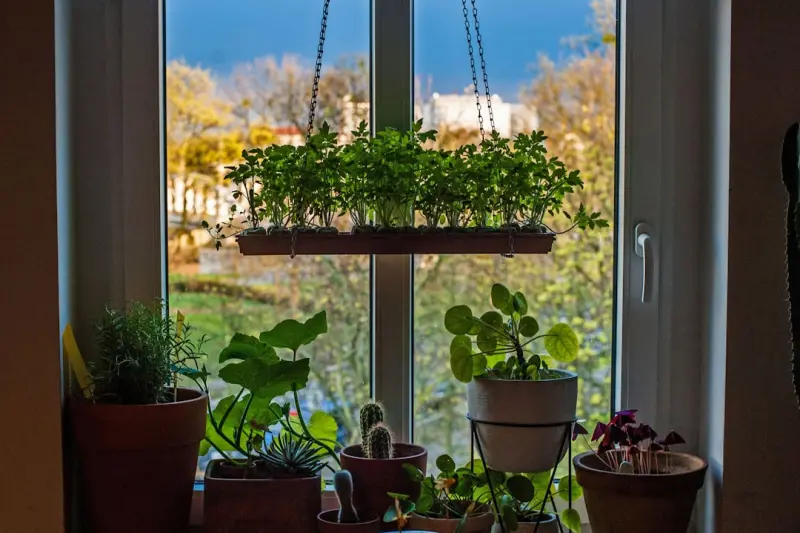
Seasonal Garden Staging: How to Transform Your Yard Four Times a Year
Discover a step‑by‑step approach to revitalize your outdoor space each season, from planting vib... Read More
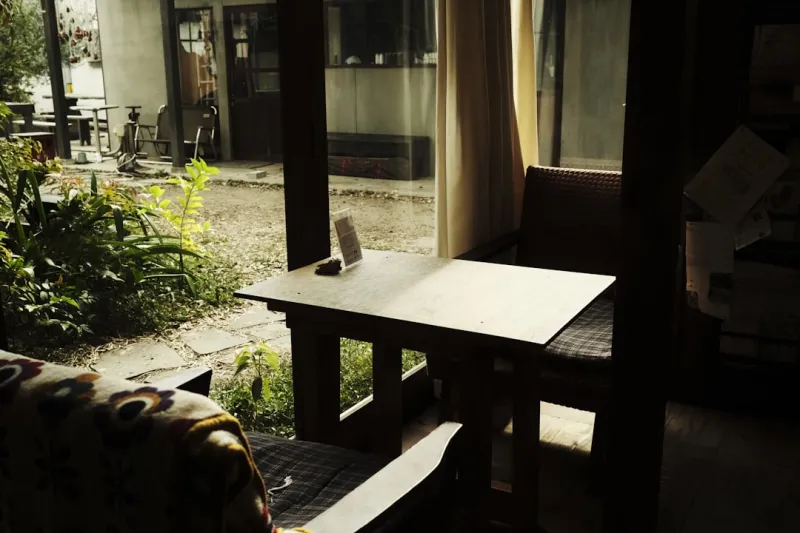
How My Garden Desk Became the Ultimate Home & Garden Upgrade in 2026
From sunrise brainstorming to evening sunsets, my garden desk transformed work and wellness, proving... Read More
Top Posts

Illuminating Health: How Light Shapes Your Body and Mind
Light is a silent regulator of our hormones, mood, and sleep. This article unpacks the science of light, shares a personal 30‑day reset, and offers actionable...Read More

Create a Quiet Oasis at Home: Sound‑Smart Tips
Learn how to transform every room—living area, kitchen, bedroom, and bathroom—into a peaceful sanctuary with simple acoustic fixes, DIY projects, and sustai...Read More

Why Your Hands Deserve a Desk‑Day Makeover
A deep‑dive into why hand care is essential for remote workers, offering science‑backed micro‑rituals, tool recommendations, and workflow integration tips...Read More

Designing a Rain Garden: Beauty, Function, and Climate Resilience
Discover the art and science of rain gardens—turn stormwater into a thriving oasis that enhances beauty, supports wildlife, and boosts climate resilience in y...Read More
0 Comments
Post Comment
You will need to Login or Register to comment on this post!