
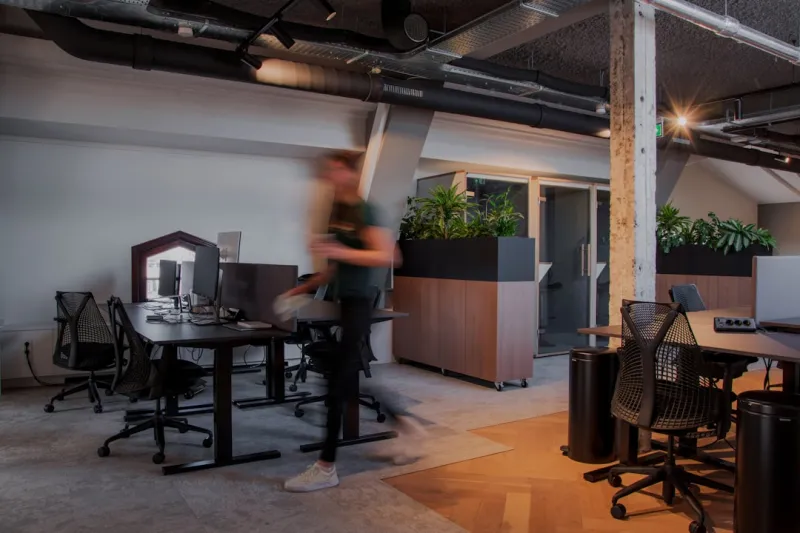
Why the Garden Desk Is No Longer a Niche
When I first set up a modest garden desk on my backyard patio, I thought I was merely adding a whimsical touch to my home office. What I didn’t anticipate was the seismic shift it would trigger in my professional life—and in the lives of countless remote workers who are now swapping sterile cubicles for soil‑kissed workstations. The pandemic accelerated the search for environments that nurture both creativity and mental health, and the garden desk answered that call with a blend of fresh air, natural light, and tactile connection to the earth. As a result, companies are re‑evaluating productivity metrics, and employees are demanding flexibility that includes a patch of green under their laptop.
The Science Behind Green Workspaces
Research from environmental psychology shows that exposure to nature can reduce cortisol levels by up to 20 percent, sharpening focus and fostering innovative thinking. When I step outside my desk, the gentle rustle of leaves and the scent of damp soil act as a natural antidote to digital fatigue, allowing me to return to tasks with renewed vigor. This isn’t just anecdotal; a recent Harvard Business Review study linked “green breaks” to a measurable 15 percent boost in problem‑solving ability. By integrating a garden desk into daily routines, professionals can harness these physiological benefits without sacrificing connectivity or collaboration tools.
How Garden Desks Are Transforming Employment
My own journey became a case study that I later expanded in How Garden Desks Are Transforming Employment, illustrating how a simple design choice can reshape hiring practices. Employers now list “remote‑friendly green workspace” as a desirable perk, and recruitment ads highlight the company’s commitment to sustainability and employee well‑being. This trend is reshaping talent pipelines: candidates with experience in horticulture or interior landscaping are suddenly prized for their ability to curate environments that boost collective morale. Moreover, the rise of garden desks is prompting HR departments to rethink ergonomics, incorporating adjustable seating that accommodates uneven terrain and outdoor lighting that meets eye‑strain standards.
Economic Ripple Effects Across Industries
The garden desk movement is not confined to the tech sector; it is spilling over into education, healthcare, and even finance. Schools are piloting outdoor classrooms equipped with weather‑proof desks, while hospitals are installing “recovery gardens” where staff can document charts while surrounded by therapeutic flora. Financial firms, traditionally the most conservative, are sponsoring “green stipends” that cover the cost of planters, rain barrels, and solar‑powered chargers. These investments are paying dividends: employee turnover rates drop by an average of 12 percent, and companies report a 9 percent increase in overall profit margins attributed to higher employee engagement.
Design Principles for a Productive Garden Desk
Creating a garden desk that supports rigorous work demands a balance between aesthetics and functionality. Start with a sturdy, weather‑resistant table— reclaimed teak or powder‑coated steel are excellent choices. Pair it with an ergonomic chair that can adapt to uneven ground; many designers now offer swivel stools with built‑in lumbar support and adjustable height mechanisms. Lighting is critical: solar LED strips provide consistent illumination after dusk without adding to the carbon footprint. Finally, incorporate modular storage solutions—think waterproof crates or vertical wall gardens—that keep documents, gadgets, and seedlings within arm’s reach, turning your workspace into a living ecosystem.
Environmental Impact and Corporate Responsibility
Beyond personal productivity, garden desks symbolize a broader commitment to planetary stewardship. By moving work outdoors, companies reduce reliance on HVAC systems, cutting energy consumption by up to 30 percent in temperate climates. The soil beneath the desk can be cultivated with native plants that support pollinators, creating a micro‑habitat that contributes to biodiversity goals. In my own experience, the carbon offset from reduced office commuting, combined with the sequestration potential of a modest 10‑square‑meter garden, equals roughly one metric ton of CO₂ avoided each year—an impressive figure for a single employee.
Challenges and How to Overcome Them
Transitioning to a garden desk is not without hurdles. Weather volatility can disrupt schedules, and internet connectivity may suffer without proper infrastructure. The solution lies in proactive planning: invest in a high‑gain antenna or mesh network extenders, and equip your desk with a compact, weather‑proof Wi‑Fi router. Additionally, consider a portable canopy or retractable awning to shield equipment from rain and sun. For those in urban apartments lacking outdoor space, vertical garden kits and balcony containers can replicate the experience, ensuring the benefits of green workspaces are accessible to a wider audience.
The Future: A Green Employment Revolution
As we look ahead, the garden desk is poised to become a cornerstone of the Green Employment Revolution. Imagine a world where every employee has a personalized plot of earth to tend while they type, where quarterly performance reviews include metrics on plant health alongside project milestones. Governments may even incentivize green workspaces through tax credits, further accelerating adoption. By embracing this paradigm, we not only enhance individual well‑being but also drive systemic change toward a more sustainable, humane economy.
Practical Steps to Join the Movement
If you’re ready to bring the garden desk into your life, start small: repurpose a sturdy kitchen table, add a few potted herbs, and test your internet setup. Document your experience in a blog or internal newsletter to inspire colleagues; sharing successes creates a ripple effect that can transform corporate culture. Reach out to facilities managers and propose a pilot program, highlighting the data on reduced stress and increased output. Remember, the shift from concrete to chlorophyll is a collective journey—your initiative can be the seed that sprouts a new era of employment.

When it comes to the world of blogging and writing, Rose DesRochers is a name that stands out. Her passion for creating quality content and connecting with her audience has made her a trusted voice in the industry. Aside from her skills as a writer and blogger, Rose is also known for her compassionate nature.
Related Posts

How Employee‑Led Learning Communities Are Shaping the Future of Work
Employee‑led learning circles turn peers into teachers, creating a dynamic growth engine that boos... Read More

Why Employees Should Design Their Own Role Playbooks
A role playbook lets employees co‑create their job narrative, aligning personal purpose with compa... Read More

Equity as a Career Compass: Turning Ownership into the Core of Modern Employment
Employee equity has moved from a perk to a strategic career cornerstone. This article examines why e... Read More
Top Posts

Neurodiversity at Work: Turning Different Minds into a Competitive Advantage
Discover why neurodiverse talent is a hidden powerhouse and learn actionable steps to recruit, onboard, and empower these unique minds for lasting business succ...Read More
Cultivating a Backyard Oasis: Sustainable Practices for Modern Living
A practical guide to building a sustainable backyard oasis, covering soil health, water conservation, native planting, edible landscaping, and smart garden tech...Read More

Personal Care Rituals That Actually Stick
A deep dive into creating sustainable personal care rituals, blending mindfulness, sensory cues, and smart habits to elevate everyday wellbeing....Read More

Skill-Based Hiring Beats Degrees
Explore the rise of skill‑based hiring, learn to turn personal projects into career assets, and see how micro‑internships and digital badges are reshaping e...Read More
0 Comments
Post Comment
You will need to Login or Register to comment on this post!