
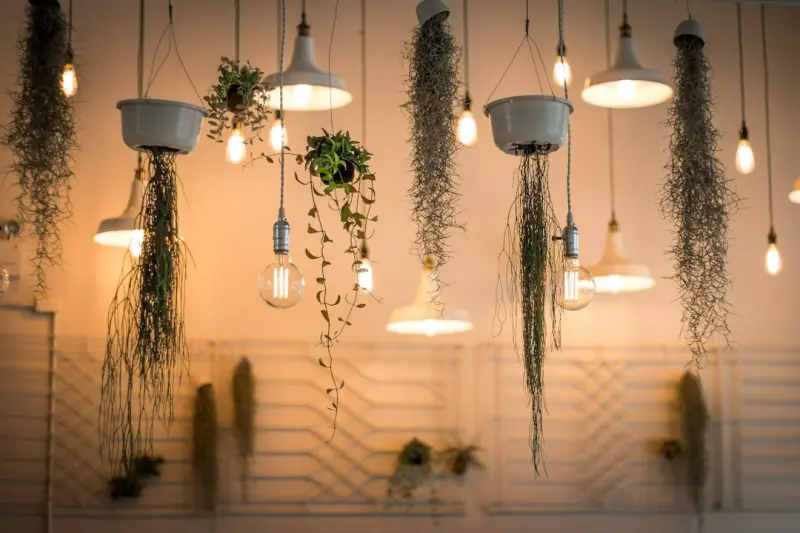
Illuminating Your Indoor Jungle: How Smart Lighting Transforms Home Gardening
When I first moved into my downtown loft, the lack of natural sunlight felt like a silent thief stealing the very soul of my plants. My fiddle leaf figs drooped, my basil turned limp, and the tiny herb garden perched on the kitchen windowsill whispered for help. I quickly learned that light isn’t just a decorative element—it’s the lifeblood of every green friend we invite into our homes. That realization sparked a journey into the world of smart lighting, a realm where technology and nature collaborate to turn even the dimmest apartment into a thriving indoor garden.
Why Traditional Light Isn’t Enough
Most of us grew up believing that a sunny window is the gold standard for indoor plants. While natural light is unparalleled, it’s not always reliable. Seasonal changes, city skyscrapers, and the simple fact that many of us work long hours away from home mean that our plants often endure long periods of darkness. Traditional incandescent or fluorescent bulbs add a splash of brightness, but they lack the specific wavelengths plants need for photosynthesis.
Enter full-spectrum LED grow lights. These devices are engineered to emit the exact mix of blue and red light that chlorophyll craves, while also providing a gentle white hue for aesthetic appeal. The result? Plants that photosynthesize efficiently, grow faster, and stay healthier—even when the sun refuses to shine.
Choosing the Right Smart Light for Your Space
Not all grow lights are created equal, and the “smart” label can sometimes be more marketing than magic. Here’s a quick checklist to help you cut through the hype:
- Spectrum Control: Look for lights that let you adjust the blue/red ratio. Seedlings love a higher blue proportion, while flowering plants thrive on more red.
- Adjustable Intensity: Dimmable options let you mimic sunrise and sunset, reducing plant stress and encouraging natural growth cycles.
- App Integration: A companion app should allow you to set schedules, receive alerts, and even sync with other smart home devices.
- Energy Efficiency: LEDs use a fraction of the power of older technologies, saving you money while keeping your carbon footprint low.
- Design Aesthetics: Since these lights will sit in your living space, choose a sleek design that complements your décor.
Setting Up Your Smart Grow Light System
Installation can sound intimidating, but with a little planning you’ll have a professional‑grade setup in a single weekend.
- Map Your Plant Zones: Identify where each plant lives—whether it’s a hanging basket, a countertop herb pot, or a tiered shelf. Note the height from the plant to the ceiling.
- Calculate Light Coverage: Most manufacturers provide a coverage chart (e.g., “30 inches radius at 12 inches height”). Ensure your light’s footprint fully encompasses each plant’s canopy.
- Mount the Fixtures: Use adjustable brackets or clamp mounts. Position the light 12‑24 inches above foliage for seedlings, and 24‑36 inches for mature plants.
- Connect to Wi‑Fi: Follow the device’s onboarding steps—usually a QR code scan or Bluetooth pairing.
- Program the Schedule: Most plants need 12‑16 hours of light per day. Set a “sunrise” ramp‑up for 30 minutes, a steady “daytime” period, and a gentle “sunset” dim‑down.
- Sync with Sensors: If you have a smart thermostat or humidity sensor, integrate them. Some apps will lower light intensity when ambient humidity spikes, preventing mold.
Beyond the Basics: Leveraging AI for Plant Care
Smart lighting isn’t just about turning a switch on and off. The real power lies in data-driven adjustments. Some advanced systems use AI to analyze plant health via camera feeds, adjusting light spectra in real time. While most homeowners don’t need a full‑blown research lab, even a simple AI‑powered approach can boost growth by a noticeable margin. The algorithm learns from your plant’s response—leaf color, growth rate, and even wilting patterns—to fine‑tune the light cycle.
Case Study: Turning a Dark Kitchen into a Culinary Herb Oasis
My kitchen was once a graveyard for culinary herbs—basil, thyme, and cilantro all withered within weeks. After installing a single, dimmable, full‑spectrum LED fixture on a low‑profile wall mount, the transformation was astonishing.
- Day 1: The plants perked up within hours, displaying a subtle lift in leaf posture.
- Week 1: New leaf growth appeared, and the basil’s aroma intensified.
- Month 1: The cilantro produced seed heads, a sign of vigorous health.
By pairing the lights with a simple daily wellness ritual—a brief moment of mindful breathing among the foliage—I found my cooking became more inspired, and my stress levels dropped. The kitchen turned from a functional space into a sensory sanctuary.
Design Tips: Making Smart Lights Part of Your Décor
People often worry that tech will clash with the natural aesthetic of a home garden. Here are a few design tricks to keep the vibe cohesive:
- Choose Neutral Finishes: Matte black or brushed aluminum blends well with most interior styles.
- Hide Cables: Use cable clips or run wires behind molding to keep the look clean.
- Integrate with Shelving: Mount lights directly onto floating shelves, turning the fixture into a decorative element.
- Use Light Diffusers: Frosted lenses soften the glow, creating a warm ambience rather than a clinical spotlight.
- Combine with Natural Materials: Pair the LED units with reclaimed wood plant stands or woven macramé hangers for a balanced look.
Maintaining Your Smart Garden
Even the smartest light can’t rescue a plant that’s neglected in other ways. Keep these basics top of mind:
- Water Wisely: Over‑watering is a common pitfall. Feel the soil a few centimeters down before adding water.
- Feed Regularly: Use a balanced, water‑soluble fertilizer every 4‑6 weeks during the growth phase.
- Rotate Plants: Turn pots weekly to ensure even light distribution, especially if your fixture is directional.
- Clean the LEDs: Dust can diminish output. Wipe the lens with a soft, dry cloth monthly.
- Monitor for Pests: Indoor gardens aren’t immune. A quick inspection for spider mites or aphids can prevent infestations.
Future Trends: What’s Next for Home Gardening Tech?
While today’s smart lights already provide unprecedented control, the horizon promises even more integration:
- Hybrid Solar‑LED Units: Small solar panels that charge a battery during the day, providing eco‑friendly power for night‑time growth.
- Voice‑Activated Controls: Imagine telling your assistant, “Give the herbs a sunrise boost,” and watching the lights respond instantly.
- Biometric Plant Sensors: Wearable “leaf patches” that transmit data on chlorophyll content, feeding directly into the light’s AI algorithm.
These innovations suggest a future where the line between indoor and outdoor gardening blurs, allowing anyone—regardless of window size or geographic location—to cultivate a lush, vibrant garden.
Final Thoughts: Light as a Lifestyle Choice
Smart lighting isn’t a gimmick; it’s a lifestyle upgrade that aligns with the growing desire to bring nature into our living spaces. By investing in a quality, adaptable system, you gain more than healthier plants—you gain a daily dose of greenery that boosts mood, improves air quality, and adds a splash of color to otherwise monochrome rooms. The next time you glance at a corner of your home and see a drooping leaf, remember that a few clicks on your phone could rewrite that story entirely.

Lauren Miller is a true outdoors enthusiast who has found her passion in the trades. When she's not working hard on the job, you can find her writing, camping, fishing, and exploring all that nature has to offer. A dedicated partner to her wife Beth, Lauren loves nothing more than spending quality time together and experiencing the great outdoors side by side.
Related Posts
Backyard Micro‑Forests: Small Spaces, Big Impact
Discover the transformative power of backyard micro‑forests, a compact yet dynamic ecosystem that ... Read More

Transform Your Backyard into an Outdoor Learning Playground
Discover how to turn your garden into a dynamic outdoor classroom, blending play, science, and seaso... Read More

The Hidden Potential of Neglected Nooks: Turning Unused Spaces into Thriving Garden Sanctuaries
Learn to turn forgotten hallways, balconies, and windowsills into thriving garden sanctuaries, boost... Read More
Top Posts
Edible Landscape Design: Turning Your Yard into a Food Forest
Learn how to transform your backyard into a productive food forest using layered planting, soil health strategies, and low‑tech tools, turning your garden int...Read More
Why Garden Desks Are the Secret Weapon for Modern Employment in 2026
Explore the rise of garden desks in 2026 and learn how outdoor workspaces boost productivity, mental health, and sustainability in today’s employment landscap...Read More

Digital Declutter: Rewiring Your Mind for Calm in a Hyper‑Connected World
Learn how intentional screen‑free pauses, storytelling, and playful creativity can transform chronic digital stress into lasting mental calm and resilience....Read More
Garden Desk Magic: Transforming Home Life, Work, and Wellness
A garden desk isn’t just a workspace; it’s a sanctuary where home life, work, and wellness converge, turning everyday tasks into a refreshing, productive ex...Read More
0 Comments
Post Comment
You will need to Login or Register to comment on this post!