
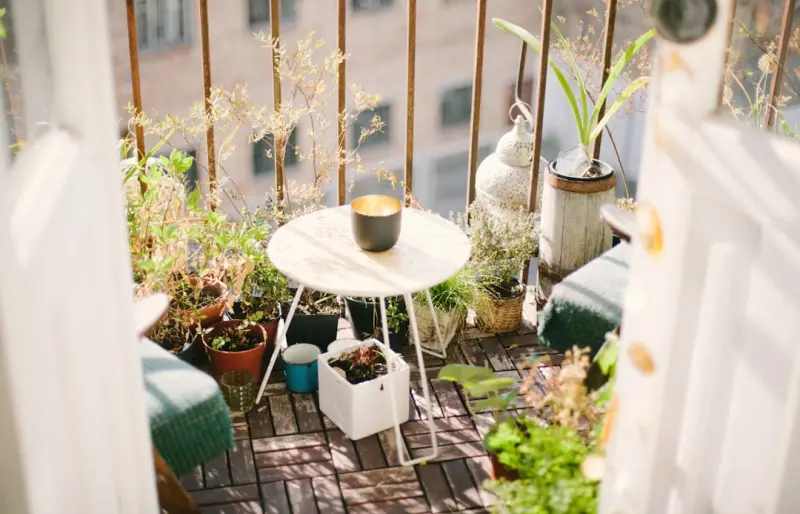
Living in a city doesn’t mean you have to surrender to concrete and steel. As someone who grew up listening to my grandmother’s stories of the countryside while watching skyscrapers rise, I’ve learned to coax nature into the tiniest of urban nooks. My balcony, a modest 5‑by‑8‑foot platform overlooking a bustling street, has become my personal laboratory for nurturing pollinators. The result? A buzzing, fluttering sanctuary that not only feeds bees and butterflies but also feeds my soul. In this guide, I’ll walk you through every step of turning a modest balcony into a pollinator‑friendly haven, from site assessment to seasonal care, with a focus on practical, low‑maintenance solutions that fit a busy lifestyle.
Why Pollinators Matter in the Urban Jungle
Pollinators—bees, butterflies, hoverflies, and even some beetles—play a crucial role in global food production and biodiversity. In cities, habitats are fragmented, and native pollinator populations are under pressure from pesticide use and habitat loss. By providing even a small patch of nectar‑rich flora, you contribute to a larger ecological network that supports local agriculture and wildflower corridors. Moreover, the presence of pollinators can improve mental health; studies show that watching bees at work reduces stress and enhances focus. So your balcony garden isn’t just decorative—it’s a vital piece of the city’s environmental puzzle.
Assessing Your Space: Light, Wind, and Load‑Bearing Limits
Before you rush out for a bag of seeds, take a systematic inventory of your balcony’s conditions:
- Sun exposure: Track how many hours of direct sunlight each side receives throughout the day. South‑facing balconies often get 6‑8 hours, ideal for sun‑loving herbs and annuals. East or west exposures may need a mix of sun‑ and shade‑tolerant plants.
- Wind patterns: Urban wind tunnels can dry out soil quickly. If your balcony is wind‑exposed, consider windbreaks like lattice panels or tall grasses that sway without breaking.
- Weight capacity: Check building regulations or ask your landlord about the maximum load. Heavy clay pots can quickly add up, so you may opt for lightweight fabric grow bags or recycled plastic containers.
- Water source: Proximity to a faucet makes irrigation easier. If none is available, plan for a water‑storage solution such as a rain barrel or a simple 5‑liter jug.
Understanding these variables helps you select plants that will thrive and prevents costly redesigns later on.
Selecting the Right Plants for Continuous Bloom
Pollinators need a steady supply of nectar and pollen from spring through fall. Choose a mix of annuals, perennials, and biennials that bloom at staggered intervals. Here’s a starter list that works well on most balconies:
- Salvia (Sage) – bright spikes, attracts bees and hummingbirds, loves full sun.
- Lantana – a heat‑tolerant shrub with clusters of orange‑red flowers, draws butterflies.
- Phacelia (Bee Balm) – low‑maintenance, self‑seeds, excellent for early spring.
- Lavender – fragrant, drought‑tolerant, and a magnet for honeybees.
- Marigold – provides color and repels some garden pests.
- Herbs like thyme, oregano, and rosemary – aromatic, useful in the kitchen, and loved by a range of pollinators.
When you plant, aim for a “flower calendar” that ensures at least one species is in bloom every month. This continuity maximizes the utility of your balcony for pollinators and keeps the space visually dynamic.
Choosing Containers: Function Meets Aesthetics
Containers are the heart of any balcony garden. I prefer a combination of eco‑friendly cleaning hacks that repurpose everyday items—think reclaimed wooden crates, old tea tins, or even upcycled pallets turned into tiered planters. When selecting containers, keep these guidelines in mind:
- Drainage: Every pot needs a drainage hole. If you’re using decorative pots without holes, add a layer of gravel or use a self‑draining insert.
- Size: Larger pots hold more soil, retain moisture longer, and reduce the frequency of watering. For deep‑rooted perennials like lavender, aim for at least 12‑inch depth.
- Material: Terracotta is porous and cool but can crack in freeze‑thaw cycles. Lightweight resin or fabric grow bags are resilient and easy to move.
- Mobility: If your balcony is subject to strong gusts, place heavier pots on the wind‑ward side and lighter ones on the sheltered side.
Soil Mix and Nutrient Management
Good soil is the foundation of a thriving pollinator garden. A commercial potting mix is a convenient base, but you can boost its performance with a few simple amendments:
- Mix in perlite or vermiculite (about 20% of the total volume) for improved aeration.
- Add a handful of compost or well‑aged manure to provide slow‑release nutrients.
- Incorporate mycorrhizal fungi inoculant—a natural partnership that enhances root absorption of phosphorus and micronutrients, benefiting flowering.
When you first pot your plants, lightly press the soil around the roots and water in until water runs out of the drainage holes. This “settling” process eliminates air pockets that can stress young roots.
Water Management: Conservation Meets Consistency
Balcony gardens can dry out faster than ground‑level beds. I rely on a two‑pronged approach: a simple drip‑irrigation system and a rain‑catchment container. A cheap, self‑watering hose that fits onto a standard faucet can be set to deliver a slow, steady flow directly to the soil surface. Pair this with a 2‑liter rain barrel positioned at the edge of the balcony; when it rains, the barrel fills and gravity feeds water into the drip lines, reducing your municipal water use.
Monitor soil moisture with a wooden stake or a cheap moisture meter. Aim for the “finger test”: the top inch of soil should feel dry before you water again. Over‑watering can lead to fungal diseases, which are especially problematic in humid urban climates.
Creating Habitat Features Beyond Flowers
Pollinators need more than nectar; they also require shelter and nesting sites. Here are low‑effort additions that make a big difference:
- Bee houses: Wooden blocks drilled with holes of varying diameters (4‑10 mm) provide solitary bee nesting sites. Hang them on the railing or attach to a wall.
- Butterfly puddling stations: A shallow dish filled with sand and a few drops of mineral water attracts butterflies looking for salts.
- Rocks and twigs: Scatter a few flat stones or twigs for perching and sunbathing.
These micro‑habitats complement your floral resources and encourage a broader diversity of pollinator species.
Seasonal Care: From Seed to Seed
Maintaining a pollinator balcony garden is a year‑round commitment, but it can be broken down into manageable seasonal tasks:
Spring
Start by sowing Phacelia and annuals like Marigold directly in containers. Prune back perennials that look leggy after winter. Add a fresh layer of compost to replenish nutrients.
Summer
Deadhead spent blooms to encourage repeat flowering. Keep a close eye on moisture levels; midsummer heat can evaporate water quickly. If you notice pests like aphids, use a gentle sensory‑layered approach—spray a solution of water, a few drops of dish soap, and a dash of neem oil.
Fall
Replace annuals with hardy biennials such as Foxglove (if you’re comfortable handling its toxic properties) or Russian Sage. Trim back perennials before frost to prevent damage.
Winter
Many pollinators hunker down, but some, like solitary bees, remain active on milder days. Keep your bee houses insulated with straw or a thin blanket and continue providing water in a heated saucer if temperatures dip below freezing.
Integrating Smart and Sustainable Technologies
Technology can simplify upkeep without compromising sustainability. Consider these upgrades:
- Solar‑powered LED grow lights: Useful for balconies that receive limited sunlight. A 12‑watt panel can extend the daylight window for shade‑tolerant herbs.
- IoT moisture sensors: Devices that sync with your phone can alert you when soil moisture falls below a preset threshold.
- Rain‑water harvesting kits: Small, balcony‑friendly systems that connect to a gutter and funnel water into a storage tank.
These tools keep your garden thriving while aligning with the broader flexible outdoor spaces movement, where adaptability and resource efficiency are core principles.
Troubleshooting Common Issues
Even the best‑planned balcony garden can encounter hiccups. Here’s a quick diagnostic guide:
| Symptom | Likely Cause | Solution |
|---|---|---|
| Leaves turning yellow | Over‑watering or nutrient deficiency | Check drainage, reduce watering frequency, add balanced fertilizer. |
| Few or no pollinators | Lack of nectar sources or pesticide drift | Introduce additional flowering species, avoid chemical sprays, place bee houses. |
| Powdery mildew on leaves | High humidity and poor air circulation | Space plants better, water at base, increase airflow. |
| Plants wilting despite watering | Root rot from waterlogged soil | Repot with fresh, well‑draining mix, ensure pots have holes. |
By addressing issues promptly, you keep the garden healthy and maintain its attractiveness to pollinators.
Celebrating the Buzz: Community and Personal Rewards
Once your balcony is humming with activity, consider sharing the bounty. Invite neighbors for a “pollinator tea” where you serve herbal teas brewed from your balcony herbs. Document the seasonal changes with photos and share them on social media using hashtags like #BalconyBuzz. You’ll likely inspire others to start their own micro‑habitats, amplifying the ecological impact across the block.
In the end, the transformation of a modest balcony into a pollinator sanctuary is both a personal triumph and a civic contribution. It proves that even in the densest urban cores, we can cultivate spaces that nurture biodiversity, reduce stress, and bring fresh flavors to our kitchens. So roll up your sleeves, dust off those old pots, and let the buzz begin.

Mei Chen is a dynamic professional who brings a unique blend of skills to Blogging Fusion. As a key contributor to the Blogging Fusion platform, she leverages her writing expertise to create engaging content that resonates with our audience.
Related Posts
Green Workspaces: How My Garden Desk Is Redefining Home & Garden Living
Jimmy Damon shows how turning a garden desk into a thriving green workspace can transform your home,... Read More

Cultivating Calm: How to Design a Home Sanctuary That Nourishes Body and Mind
Learn how to transform everyday spaces into calming sanctuaries with intentional plant choices, tact... Read More

How to Turn Your Backyard Into a Creative Studio Sanctuary
Transform your garden into a versatile studio space where art, writing, and crafts flourish. Learn p... Read More
Top Posts
Turning Your Backyard into a Thriving Wildlife Corridor
Discover how to transform an ordinary backyard into a vibrant wildlife corridor, attracting pollinators, birds, and beneficial insects while improving garden he...Read More
Transforming the Laundry Room into a Lush Mini‑Garden Oasis
Discover how to convert a cramped laundry room into a vibrant garden oasis using smart lighting, custom soil mixes, and adaptable plant selections, creating a c...Read More

Unlocking Your Body’s Internal Clock: A Remote‑Work Health Blueprint
A practical guide shows remote workers how to sync daily routines with their natural circadian rhythm, using light exposure, meal timing, and movement to improv...Read More
Backyard Reading Nooks: Crafting Outdoor Spaces That Invite You to Get Lost in a Book
Discover step‑by‑step how to design a cozy outdoor reading nook, from choosing the perfect spot and lighting to adding sensory touches and low‑maintenance...Read More
0 Comments
Post Comment
You will need to Login or Register to comment on this post!