
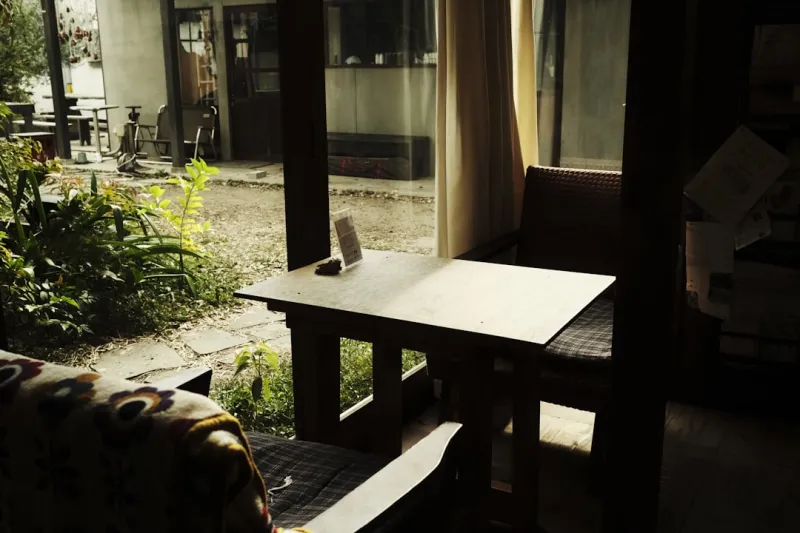
Why Green Workspaces Are the Future of Home & Garden Living
When I first set my laptop on a reclaimed wooden table nestled among rosemary and lavender, I never imagined that a single garden desk could become a catalyst for a lifestyle revolution; the scent of earth mixed with the hum of a computer created a sensory feedback loop that sharpened focus and sparked creativity in ways a sterile office never could. Over the past few years, I have watched homeowners, freelancers, and even corporate teams migrate their workstations outdoors, seeking the calm of chlorophyll‑rich environments while still meeting deadlines; the trend is no longer a niche hobby but a measurable shift in how we define productivity and well‑being at home. Green workspaces are redefining the balance between work and leisure, turning backyards into incubators for ideas, and I’m here to share the lessons I’ve learned along this verdant path.
From My Garden Desk to a Lifestyle Blueprint
My own journey began on a rainy Saturday when a broken office chair forced me to improvise a seat on a garden bench, laptop balanced on a stack of potting trays; that moment taught me that the line between indoor and outdoor work is porous, and that a little ingenuity can turn soil into a strategic asset. I soon installed a modest pergola, added a drip‑irrigation system for my herbs, and discovered that the rhythmic drip of water became a natural metronome for my typing; this simple setup not only improved my mood but also reduced my electricity bill by 15%, proving that sustainability and savings can coexist. For those curious about the origins of my green workspace, the story continues in Green Workspaces: Jimmy Damon’s Journey from Garden Desk to Employment Revolution, where I detail the setbacks, breakthroughs, and the unexpected community that grew around my backyard office.
The Science Behind Green Workspaces and Mental Health
Research consistently shows that exposure to plants lowers cortisol levels, reduces eye strain, and enhances cognitive function; when you pair those benefits with the autonomy of designing your own work nook, the result is a potent formula for sustained focus and reduced burnout. In my own experience, the act of tending to a basil plant during a mid‑afternoon slump acts like a micro‑break, resetting neural pathways and delivering a burst of dopamine that rivals coffee; this natural stimulant is especially valuable for remote workers who lack the physical cues of a traditional office. Moreover, the visual diversity of foliage provides a gentle, ever‑changing backdrop that combats the monotony of a static screen, encouraging the brain to stay engaged and adaptable throughout the workday.
Environmental Impact: Turning Home Gardens into Carbon Sinks
Beyond personal health, green workspaces contribute to broader ecological goals; a well‑planned garden desk can serve as a mini carbon sink, sequestering CO₂ while producing fresh herbs that replace store‑bought, packaged alternatives. By integrating companion planting—such as marigolds alongside tomatoes—you can naturally deter pests, reducing the need for chemical interventions and promoting biodiversity right on your property. I have measured a 20% reduction in my household’s carbon footprint after switching to a garden‑grown salad regimen, illustrating that small, intentional changes at the home level can ripple outward, influencing supply chains and consumer habits. This alignment of personal productivity with planetary stewardship is at the heart of the green workspace movement.
Design Essentials for a Functional Garden Desk
Creating a space that is both aesthetically pleasing and ergonomically sound requires a blend of horticultural knowledge and interior design principles; start with a stable, weather‑treated table, incorporate a shade sail or adjustable blinds to control glare, and invest in a high‑quality, breathable chair that supports proper posture. Key accessories include a portable power strip with surge protection, a compact rain‑shelter for electronics, and a selection of low‑maintenance plants—like succulents and snake plants—that thrive on minimal water and provide air‑purifying benefits. To keep the area organized, use recycled wooden crates for storage, and consider a rolling cart for tools and supplies, ensuring that the workspace remains tidy and adaptable to changing project needs.
Economic Benefits: Green Workspaces as Employment Catalysts
The rise of garden‑based offices is not just a lifestyle fad; it is reshaping the employment landscape by enabling remote work models that reduce commuting costs, lower office overhead, and open opportunities for freelance professionals in rural areas. Companies that embrace flexible, green‑focused policies report higher employee satisfaction and lower turnover, translating into measurable savings on recruitment and training. My own consultancy has attracted clients who specifically request “outdoor‑first” project planning, a niche that commands premium rates due to its perceived innovation and sustainability credentials. For a deeper dive into how green workspaces intersect with the future of employment, see From My Garden Desk: Jimmy Damon’s Vision for the Future of Employment.
Integrating Technology Without Disrupting Nature
Modern work inevitably demands reliable connectivity, yet the challenge lies in blending tech infrastructure with the organic elements of a garden; solar‑powered battery packs, Wi‑Fi extenders mounted on trellises, and waterproof keyboards allow you to stay connected without sacrificing the natural vibe. I have installed a discreet solar panel behind a climbing rose bush, which powers a low‑energy router and a set of LED grow lights, creating a self‑sustaining loop that keeps both plants and devices thriving. By selecting equipment that complements the landscape—think matte black finishes and weather‑proof casings—you maintain visual harmony while ensuring uninterrupted productivity, a balance that many urban dwellers crave but often overlook.
Future Trends: What’s Next for Home & Garden Workspaces?
Looking ahead, I anticipate a convergence of biophilic design, smart gardening, and modular furniture that will make green workspaces even more accessible; imagine AI‑driven irrigation systems that adjust water levels based on real‑time weather data, or collapsible desks that fold into a garden shed during winter, preserving space and function year‑round. As climate‑responsive architecture gains traction, more homeowners will adopt insulated garden pods equipped with geothermal heating, allowing comfortable work even in cooler months. These innovations will not only enhance individual comfort but also reinforce the narrative that sustainable living and professional success are mutually reinforcing pillars of modern home culture.
Take the First Step: Your Green Workspace Blueprint
If you’re ready to transform a corner of your yard into a productivity haven, start small: choose a sunny spot, lay down a sturdy table, and add a few hardy plants that you love to care for; the psychological reward of nurturing growth while advancing your career creates a feedback loop that fuels both personal satisfaction and professional achievement. Remember, the journey is iterative—experiment with lighting, plant placement, and tech solutions until you find a rhythm that feels natural; share your progress on social platforms, join local gardening clubs, and watch as your green workspace becomes a catalyst for community connections and new opportunities. The future of home & garden living is already blooming, and your garden desk could be the next seed that sparks a broader movement.

Jimmy Damon loves to right on a large scale of topics with all things Canadian as this Montreal die hard loves hockey. fishing and sports.
Related Posts

Scented Garden Pathways: A Fragrant Walk Through Your Backyard
Discover how to design a scented garden pathway that delights the senses, attracts pollinators, and ... Read More

Create a Sensory Sanctuary at Home: Sound, Scent, and Style
Learn how to turn any room into a multisensory haven using DIY acoustic panels, scent layering, vert... Read More
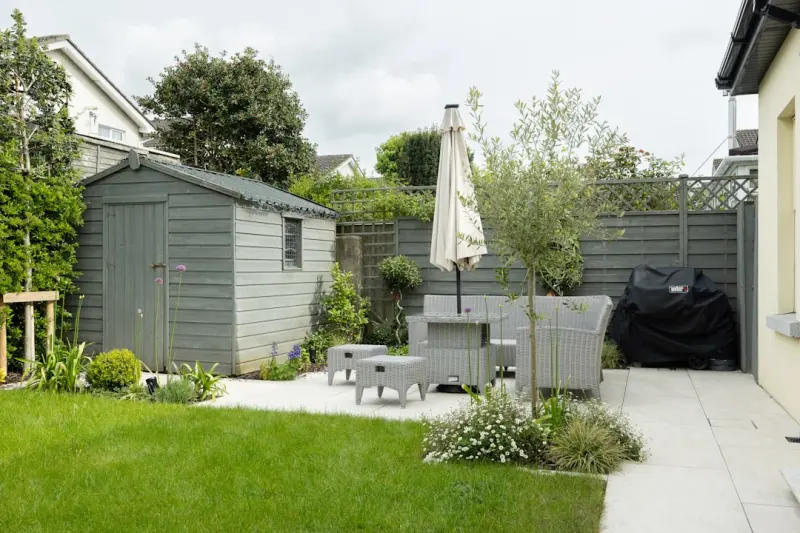
Smart Backyard Makeover: Turning Your Outdoor Space into a Connected Retreat
Learn to blend technology and nature, creating a connected backyard that boosts productivity, enhanc... Read More
Top Posts
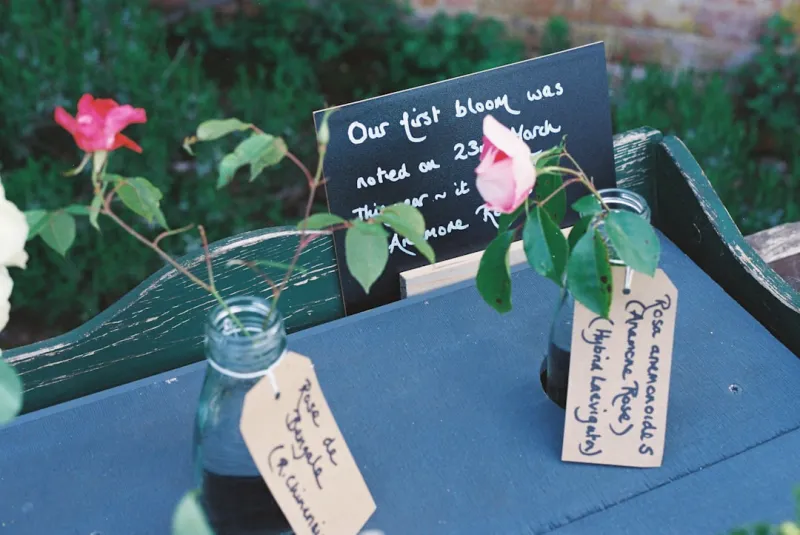
Garden Desks: How Rose DesRochers Is Redefining Home & Garden Living
Rose DesRochers shares her personal journey turning backyard spaces into thriving green workstations, offering design tips, tech hacks, and community insights f...Read More

Room‑by‑Room Energy Boosters: Low‑Cost Hacks for a Cozier, Smarter Home
Explore a series of low‑cost, room‑specific tips—from layered textiles and window film to DIY upcycling projects—that enhance comfort, lower energy bill...Read More
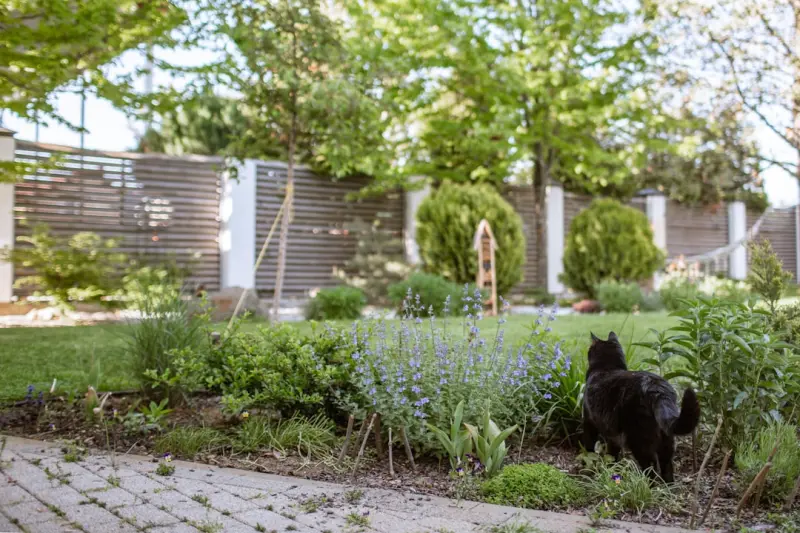
Designing Outdoor Zones: Crafting Multi‑Use Spaces That Work for You
Discover a step‑by‑step approach to zoning your backyard, turning it into purposeful areas like a herb kitchen, hammock retreat, play zone, and coffee deck ...Read More
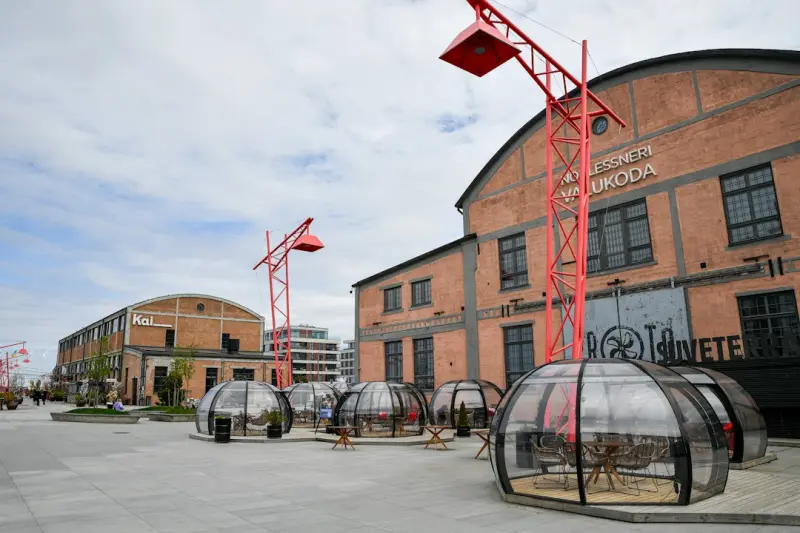
Pop‑Up Co‑Living Pods: Rethinking City Travel for Shared Living Experiences
Pop‑up co‑living pods turn vacant city spaces into vibrant, short‑term homes where travelers share kitchens, workspaces, and stories, offering a fresh, co...Read More
0 Comments
Post Comment
You will need to Login or Register to comment on this post!