
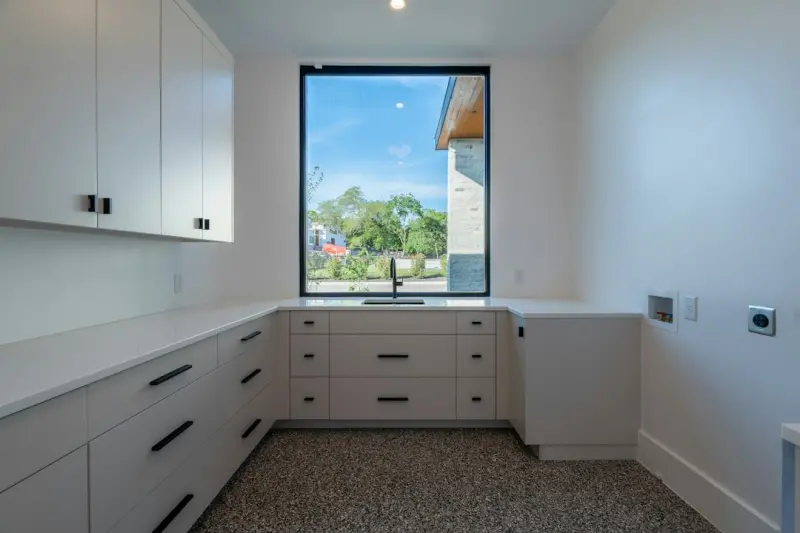
When I first moved into my downtown loft, the laundry room was nothing more than a cramped closet with a humming washer, a stack of towels, and the faint scent of detergent that seemed to cling to everything. I spent countless evenings scrolling through home‑renovation boards, dreaming of open‑plan kitchens and sun‑lit balconies, but the laundry space always felt like a forgotten side‑note. Then one rainy Saturday, while waiting for the cycle to finish, a wild idea struck: what if this utilitarian nook could become a thriving green retreat?
Welcome to the journey of turning a laundry room into a lush mini‑garden oasis. This isn’t about cramming every square foot with soil and pots – it’s about re‑imagining the purpose of a room, injecting life where you least expect it, and crafting a sanctuary that fuels your creativity, reduces stress, and even improves indoor air quality. Below, I’ll walk you through the practical steps, the design decisions, and the little joys that make this transformation feel like a personal triumph.
Why the Laundry Room?
At first glance, the laundry room seems like a poor candidate for gardening. It’s often dark, humid, and dominated by appliances. Yet those very conditions can be a blessing in disguise.
- Controlled Environment: The constant temperature fluctuations of a living room or kitchen can stress plants. A laundry room, insulated by walls and often kept at a steady 68‑75°F, offers a more stable climate.
- Humidity Advantage: Many houseplants love a touch of moisture. The steam from a dryer (when used sparingly) can boost ambient humidity, especially for tropical varieties.
- Hidden Potential: Turning a utilitarian space into something beautiful creates a sense of discovery. Guests will be surprised, and you’ll feel a quiet pride every time you step in for a load of laundry.
Step 1: Declutter and Re‑Define the Space
Start by emptying the room. Pull out the washer, dryer, and any shelving. As you do this, ask yourself: what truly needs to stay? A compact stackable washer/dryer combo is ideal because it occupies minimal floor space. If your appliances are large, consider stacking them if the model allows. Store seldom‑used items (like that extra ironing board) in the attic or a closet elsewhere.
Once cleared, sketch a rough floor plan. Measure the room’s length, width, and ceiling height. Identify any built‑in outlets, windows, or ventilation fans. This blueprint will guide where you place pots, shelves, and lighting fixtures.
Step 2: Light It Up – Smart Lighting for Plant Health
Natural light in laundry rooms is often limited to a small window or a frosted glass panel. To compensate, Smart Lighting Hacks can be a game‑changer. Here’s how I approached it:
- LED Grow Lights: Install full‑spectrum LED strips along the top of the walls. These lights mimic sunlight and can be programmed to follow a sunrise‑sunset cycle, keeping your plants’ circadian rhythms happy.
- Motion‑Activated Fixtures: Use motion sensors so lights only turn on when you’re in the room, conserving energy and reducing heat build‑up.
- Color Temperature Tuning: During daylight hours, set the LEDs to a cooler 5000‑6500K hue, encouraging vegetative growth. In the evening, shift to a warmer 2700‑3000K tone to promote flowering for certain species.
My favorite addition is a dimmable strip behind the dryer door. When the dryer is idle, the strip provides a soft glow, turning the space into a calming nook for a quick meditation between cycles.
Step 3: Choose the Right Plants
Not all plants thrive in low‑light, humid conditions. Here are my top picks for the laundry room garden:
- ZZ Plant (Zamioculcas zamiifolia): Tolerates low light and occasional neglect.
- Snake Plant (Sansevieria): Excellent air purifier, thrives in indirect light.
- Spider Plant (Chlorophytum comosum): Loves humidity and produces charming “babies” you can propagate.
- Pothos (Epipremnum aureum): A trailing vine that drapes beautifully from shelves.
- Philodendron ‘Pink Princess’: Adds a splash of color and tolerates moderate shade.
- Herbs like mint, basil, and parsley: Keep them in a sunny corner; they’ll love the occasional burst of warmth from the dryer.
When selecting pots, opt for lightweight, breathable containers such as fabric grow bags or terra cotta with drainage holes. This prevents waterlogging, a common issue in small spaces.
Step 4: Master the Soil – DIY Amendments
The foundation of any thriving garden is soil, and in a laundry room, you have the chance to get creative. I turned to the Secret Life of Soil guide for inspiration. Here’s the blend I now swear by:
- Base Mix (50%): High‑quality potting soil, free of peat to keep it sustainable.
- Perlite (20%): Improves aeration and drainage, crucial for container plants.
- Coconut Coir (15%): Retains moisture without becoming soggy, an eco‑friendly alternative to peat moss.
- Compost (10%): Adds nutrients and beneficial microbes.
- Worm Castings (5%): A natural fertilizer that boosts plant vigor.
Mix these components in a large bucket, then fill your pots. For a quick boost, sprinkle a thin layer of crushed eggshells on top – they slowly release calcium and deter pests.
Step 5: Install Flexible Shelving
Vertical space is your best friend. I installed a set of modular, metal wall‑mounted shelves that slide up and down. This system lets me adjust the height as my plants grow, and it keeps the floor clear for the washer and dryer.
Here’s how to set them up:
- Mark the stud locations on the wall and drill pilot holes.
- Attach the brackets using stainless‑steel screws (corrosion‑resistant for the humid environment).
- Place the shelf boards and secure them with the built‑in clamps.
- Arrange pots in clusters based on light needs – taller plants on higher shelves, low‑light lovers on the bottom.
Adding a small rolling cart with wheels gives you mobile storage for gardening tools, fertilizer, and a portable water can.
Step 6: Water Wisely – The Dry‑Cycle Trick
One of the biggest challenges in a laundry‑room garden is over‑watering. The humidity from the dryer can fool you into thinking the soil needs less moisture. I adopted a “dry‑cycle” method:
- Check the soil with your finger 1‑2 inches deep. If it feels dry, water lightly; if it’s still moist, hold off.
- Use a self‑watering pot with a reservoir for plants that need consistent moisture, like herbs.
- Schedule watering for the evenings, after the dryer has completed its last cycle of the day, so excess humidity can evaporate naturally.
Step 7: Add Personal Touches
A garden is more than just plants; it’s a reflection of your personality. I added a few curated details that turned the room into a genuine oasis:
- String Lights: Warm, battery‑operated fairy lights draped across the top shelf create a cozy ambiance.
- Upcycled Chalkboard: Painted the back wall with chalkboard paint, where I sketch plant care notes, inspirational quotes, or even doodle laundry reminders.
- Natural Scents: A small bowl of dried lavender or eucalyptus leaves adds a calming aroma that competes with the faint detergent scent.
- Artful Containers: Reused vintage teacups and mason jars as mini planters, adding a nostalgic charm.
Step 8: Integrate Technology for Easy Care
Smart home tech isn’t just for lighting. A few gadgets can make plant maintenance almost effortless:
- Soil Moisture Sensors: Plug these into a smartphone app; they alert you when a pot’s moisture drops below a set threshold.
- Automatic Misters: Set a timer for a light mist in the morning, especially useful for tropical plants that love consistent humidity.
- Air Quality Monitor: Track VOC levels (from detergent fumes) and adjust ventilation accordingly.
These tools not only keep your plants happy but also help you maintain a healthier indoor environment for yourself.
Step 9: Celebrate the Results
After a few weeks, the transformation is undeniable. The room now buzzes with life: emerald leaves cascade from the shelves, the soft hum of the dryer blends with the gentle rustle of foliage, and the space feels like a secret garden tucked away from the hustle of daily chores.
Beyond aesthetics, I noticed tangible benefits:
- Improved Air Quality: Plants like the snake plant and spider plant filter out formaldehyde and other pollutants, making the room breathe easier.
- Stress Reduction: A quick glance at the greenery while sorting laundry provides a micro‑pause, lowering cortisol levels.
- Fresh Herbs: Harvesting basil for a pasta sauce straight from my laundry room garden feels oddly satisfying.
And the best part? The laundry room is no longer a dreaded chore zone; it’s a place I actually look forward to entering.
Bonus: Seasonal Swaps
One of the joys of a compact garden is its adaptability. When the seasons shift, I rotate plants in and out:
- Spring: Add flowering cyclamen for a pop of color.
- Summer: Replace some low‑light plants with sun‑loving succulents near the window.
- Fall: Introduce miniature pumpkins or ornamental gourds for a festive touch.
- Winter: Swap out tender herbs for ever‑green foliage like rosemary, which tolerates lower light.
These seasonal swaps keep the space dynamic and give you an excuse to revisit the soil amendment guide each time you repot, ensuring your mix stays nutrient‑rich.
Final Thoughts
Transforming a laundry room into a lush mini‑garden oasis isn’t a massive renovation project; it’s a series of intentional, manageable steps that collectively re‑define how you interact with a space you once overlooked. By embracing smart lighting, mastering soil blends, selecting adaptable plants, and sprinkling in personal touches, you create a green sanctuary that boosts well‑being, improves air quality, and even yields fresh herbs for dinner.
If you’ve ever thought your home’s “utility” areas were beyond redemption, I hope this guide shows you otherwise. Grab a pot, plug in a grow light, and let the laundry room blossom into the secret garden you never knew you needed.

Jessica Gills is a freelance writer carving a niche for herself by empowering others through her words. With a focus on careers, self-development, and business, she helps readers navigate the complexities of the modern professional landscape.
Related Posts

Harvesting Harmony: Building a Low‑Effort Kitchen Garden That Feeds Body and Soul
Learn to transform a sunny windowsill or balcony into a low‑maintenance kitchen garden, using smar... Read More
Cultivating Home Harmony: How a Garden Desk Can Transform Your Space
Explore the rise of garden desks, learn design tips, and see how this outdoor workspace can reshape ... Read More
Garden Desk Oasis: Turning Your Backyard into a Productivity Haven
Turn your backyard into a garden desk oasis and boost productivity, wellness, and home life with des... Read More
Top Posts

Reverse Mentorship: A New Growth Engine for Employees
Reverse mentorship flips the traditional mentor‑mentee model, letting junior staff guide senior leaders. This article outlines why it matters, how to start, a...Read More

Your AI Innovation Partner: Turning Ideas into Impact
A fresh look at AI as a collaborative partner, not just a tool, showing how to integrate an AI innovation coach into daily work for faster ideation, market rese...Read More

AI‑Powered Playbooks: Redefining SaaS Customer Success
Generative AI is turning static customer‑success playbooks into living, adaptive guides. Learn how SaaS teams can harness AI to boost retention, accelerate up...Read More

Sound‑Smart Home: Crafting Audio Zones for Focus, Calm, and Joy
Discover how to turn everyday noises into purposeful soundscapes by auditing your home’s acoustics, adding natural absorbers, and setting up dedicated audio z...Read More
0 Comments
Post Comment
You will need to Login or Register to comment on this post!