
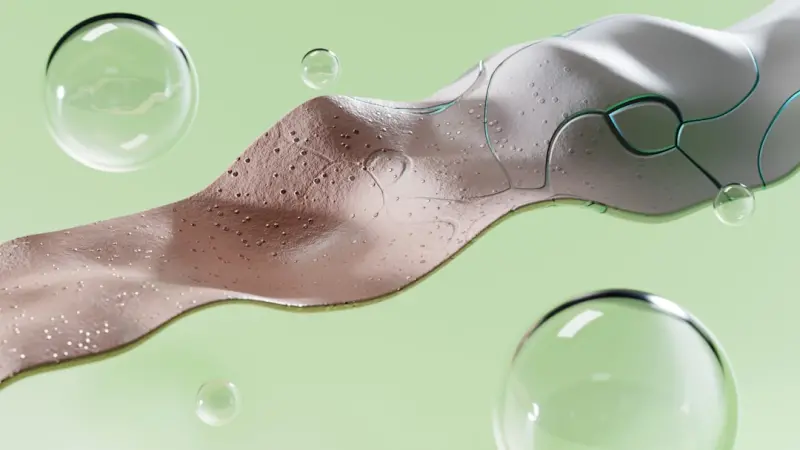
Beyond the Mirror: How Sensory Layering Transforms Everyday Personal Care
When I first stepped into my bathroom each morning, the ritual felt mechanical—a quick splash of water, a dab of cleanser, and I was out the door. Over time that routine became a background hum, something I did because I had to, not because I wanted to. A few months ago, I decided to rewrite the script. I stopped asking what I needed to do and started asking how each step could feel. The result? A multi‑sensory personal care experience that turns a mundane task into a moment of intentional delight.
Why the Senses Matter More Than You Think
Our brains process a flood of sensory data every second, but most of it slides past unnoticed. When we deliberately engage sight, sound, smell, and touch during self‑care, we activate pathways that reduce stress, improve skin health, and boost mood. Think of it as a gentle reboot for both body and mind, without the need for a pricey app or a meditation retreat.
The Five‑Step Sensory Layering Blueprint
Below is a step‑by‑step framework I use daily. Feel free to swap out elements that don’t resonate; the goal is to create a personalized cascade of sensations that feels both grounding and uplifting.
- Visual Cue: Curated Light – Before you even turn the tap, set the visual tone. A warm amber lamp or a soft sunrise LED strip can signal to your brain that it’s time to transition from sleep to wakefulness. Avoid harsh overhead fluorescents; they signal alertness but also stress. Instead, choose a light that mimics the early morning sun, which naturally triggers the release of serotonin.
- Auditory Backdrop: Low‑Frequency Ambience – I love a subtle soundscape of distant water droplets or a low‑frequency drone. It masks the sudden burst of traffic outside and steadies the nervous system. You don’t need a full‑blown sound system; a tiny Bluetooth speaker set to a looping track does the trick.
- Olfactory Boost: Aromatic Allies – While most of us reach for peppermint or citrus for an energy kick, I’ve found that a blend of neroli and sandalwood provides a balanced lift without the jitteriness. A few drops on a cotton pad placed near the sink keep the scent present without overwhelming the space.
- Tactile Ritual: Intentional Touch – This is the core of the experience. Instead of a quick rub, I use a gentle, upward stroking motion with a silicone facial brush, followed by a short self‑massage using a jade roller. The key is to move slowly, feeling the skin’s resistance and release. This not only stimulates circulation but also sends a “safe” signal to the brain.
- Temperature Play: Warm‑Cool Contrast – Finish with a splash of cool water on the forehead and a warm towel draped over the shoulders. The contrast activates thermoreceptors, sharpening alertness and sealing in moisture. It’s a mini version of the ancient Nordic practice of alternating hot and cold.
Science Snapshot: How Sensory Layering Impacts Your Skin
Recent dermatological research highlights three mechanisms that explain why this approach works:
- Neurogenic Inflammation Reduction – Gentle touch and calming sounds lower cortisol, which in turn reduces inflammation that can exacerbate acne and rosacea.
- Enhanced Lymphatic Flow – Light massage encourages lymphatic drainage, helping to clear toxins and reduce puffiness.
- Barrier Function Support – Warm‑cool temperature shifts improve the skin’s lipid barrier, allowing moisturizers to lock in hydration more effectively.
If you want a deeper dive into how routine adjustments can calm the brain, check out Rewiring Your Routine: Personal Care That Calms the Brain. It explains the neurochemical dance that occurs when we bring mindfulness into everyday grooming.
Choosing the Right Tools Without Over‑Complicating
One of the biggest traps is buying every gadget that promises a “spa‑like” experience. Here’s a minimalist toolkit that delivers maximum impact:
- Silicone Facial Brush – Soft enough for daily use, firm enough to stimulate micro‑circulation.
- Jade or Rose Quartz Roller – Naturally cool, perfect for the temperature contrast step.
- Portable Diffuser – A small ceramic diffuser that fits on the bathroom counter; it disperses essential oils without electricity.
- Bluetooth Speaker – Even a budget model can stream your favorite ambient playlists.
- LED Warm Light Lamp – Adjustable hue and brightness, allowing you to fine‑tune the visual cue.
Integrating Personal Care Into a Busy Schedule
Many readers tell me they don’t have “time” for elaborate rituals. The beauty of sensory layering is its modularity. If you have only five minutes, you can still engage three senses:
- Turn on a calming playlist (auditory).
- Light a scented candle or use a quick essential oil dab (olfactory).
- Spend the last minute performing a slow, upward facial massage (tactile).
Even these micro‑moments create a cascade effect that extends into the rest of your day, making you feel more centered and less reactive to stressors.
Beyond the Bathroom: Extending Sensory Care to Your Workspace
Our personal care routine doesn’t have to stop at the door. Bring one or two elements into your home office:
- Desk‑Side Diffuser – A subtle scent can reduce mental fatigue.
- Ambient Soundtrack – Low‑frequency white noise helps maintain focus.
- Mini Hand Massage – A quick roll of a hand‑sized jade stone can relieve tension after typing for hours.
If you’re curious about how hydration plays into performance, the piece Strategic Hydration: The Underrated Pillar of Remote Work Performance offers insights that complement the sensory approach.
Common Pitfalls and How to Avoid Them
Below are mistakes I’ve seen people make when trying to upgrade their personal care, plus quick fixes:
- Over‑Stimulating Scents – Strong fragrances can trigger headaches. Stick to light, natural oils and keep the concentration low.
- Skipping the Warm‑Cool Contrast – It’s tempting to skip because it feels “extra.” Yet, this step is crucial for sealing in moisture. Use a warm washcloth you already have; no extra purchase needed.
- Rushing the Tactile Step – Fast motions defeat the purpose. Set a timer for 60 seconds to remind yourself to move slowly.
- Neglecting Consistency – Sporadic practice yields diminishing returns. Aim for at least three days a week to see noticeable skin and mood improvements.
Measuring Success: Simple Self‑Check Metrics
To know if your sensory layering is paying off, track these three low‑effort indicators:
- Skin Calmness Scale – Rate redness, irritation, and oiliness on a 1‑10 scale each morning.
- Mood Snapshot – After your routine, note your energy level and stress rating (again 1‑10).
- Productivity Log – Record any shifts in focus or task completion speed during the day.
After a week, compare the averages. You’ll often see a modest but consistent upward trend, confirming that the sensory tweaks are doing more than just feeling nice—they’re optimizing your physiological baseline.
Future‑Proofing Your Personal Care
Technology is creeping into even the most intimate spaces. While I’m skeptical of over‑automation, I’m excited about wearables that can give real‑time feedback on skin temperature and hydration. Imagine a wristband that nudges you to switch from a warm to a cool splash when it detects a dip in skin temperature. Pair that with the sensory layering framework, and you have a feedback loop that continuously refines your routine.
Wrapping Up: Make the Moment Yours
The core message is simple: personal care is a canvas, not a checklist. By deliberately inviting sight, sound, scent, touch, and temperature into your daily ritual, you transform a chore into a celebration of self. It doesn’t require a major time investment or a mountain of products—just a willingness to experiment and a few thoughtful tools. Give it a try for a week, track your feelings, and you may find that the mirror reflects not just your face, but a calmer, more centered version of yourself.

Seth Samual is a name that's quickly becoming synonymous with compelling and insightful writing. As a freelance writer, Seth has carved a niche for himself by delivering high-quality content across a diverse range of subjects.
Related Posts
Smart Personal Care: Data‑Driven Routines Redefine Wellness
Discover how integrating smart toothbrushes, skin‑scanning mirrors, and adaptive showers can turn ... Read More
Refillable Rituals: Redefining Personal Care for a Circular Future
A deep dive into how refillable containers, concentrated formulas, and mindful design are turning ev... Read More
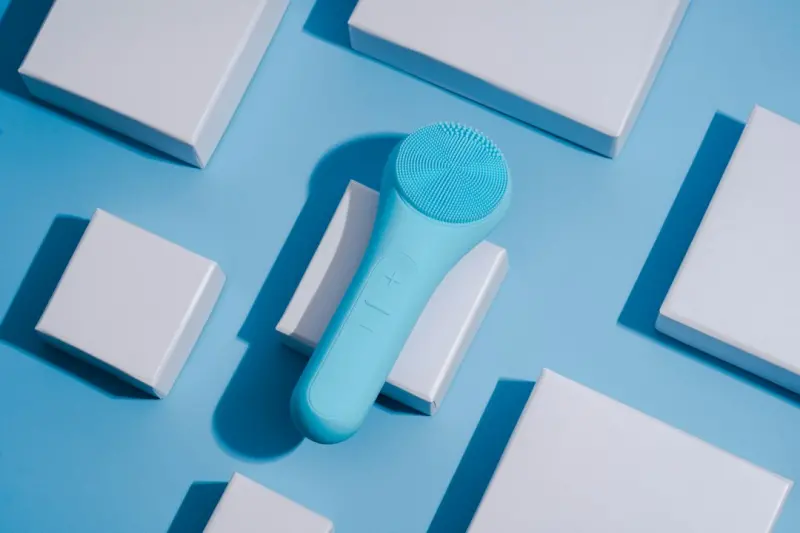
Smart Skincare: How AI and Wearables Are Revolutionizing Personal Care
Explore the rise of AI‑powered skincare, wearable skin sensors, and smart mirrors that turn daily ... Read More
Top Posts
Unlocking Hidden Customer Pain Points with AI‑Driven Product Discovery
AI can turn scattered customer feedback into actionable insights by clustering text data, generating hypotheses, and validating quickly—unlocking hidden pain ...Read More
Soundtracking Your Journey: How Curated Playlists Transform Travel
A travel playlist can do more than fill silence—it shapes emotions, anchors memories, and deepens immersion. Learn to build a curated soundtrack that turns ev...Read More

The Art of Home Scent‑Scaping: Simple Ways to Transform Every Room
Discover practical, eco‑friendly ways to use scent as a design tool—from entryway welcomes to bedroom sleep sanctuaries—while learning DIY projects and se...Read More
The Secret Garden Desk: Transforming Home Life and Productivity
Explore the magic of garden desks—where work meets nature—to boost focus, enhance home value, and create a sustainable, joyful daily routine....Read More
0 Comments
Post Comment
You will need to Login or Register to comment on this post!