
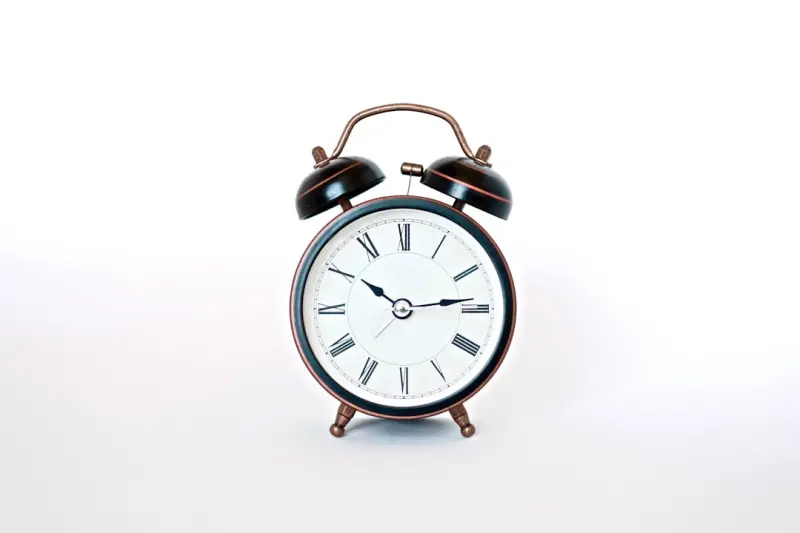
Why Your Body’s Clock Is the Missing Piece in Remote‑Work Wellness
Working from home has given us unparalleled flexibility, but it’s also blurred the line between “on‑the‑clock” and “off‑clock.” The result? A collective drift away from the natural rhythms that have guided human biology for millennia. In this deep‑dive, I’ll explore how aligning your daily schedule with your circadian clock can boost energy, sharpen focus, and protect long‑term health—without demanding a radical lifestyle overhaul.
The Science Behind the Clock
At the heart of every living organism is a master regulator called the suprachiasmatic nucleus (SCN). Nestled in the hypothalamus, the SCN synchronizes peripheral clocks in every tissue, from the liver to the skin. Light entering the eyes is the primary cue, but food timing, physical activity, and even social interactions act as secondary messengers that can either reinforce or disrupt the rhythm.
When the SCN is in sync, hormone release follows predictable patterns: cortisol peaks in the early morning to mobilize energy, melatonin rises at night to promote restorative sleep, and insulin sensitivity is highest during daylight hours. Misalignment—often called “social jetlag”—leads to chronic inflammation, impaired glucose metabolism, and heightened stress responses.
Spotting the Symptoms of a Misaligned Rhythm
Before you overhaul your schedule, identify whether your body is already sending warning signs:
- Morning grogginess despite a full night’s sleep.
- Afternoon energy crashes that aren’t resolved by coffee.
- Difficulty falling asleep even when you’re exhausted.
- Frequent cravings for sugary or salty foods in the evening.
- Inconsistent mood swings that correlate with work‑day peaks and troughs.
If two or more of these symptoms appear regularly, it’s time to recalibrate.
Three Pillars to Re‑Sync Your Internal Clock
1. Light Management: Harnessing Daylight, Taming Artificial Glow
Natural light is the most potent zeitgeber (time‑giver) for the SCN. Position your workspace near a window and keep blinds open during the first half of the day. If you lack a sunny spot, invest in a light therapy lamp that emits a full spectrum of blue‑rich light.
In the evening, dim the lights and switch devices to “night mode” or use blue‑filter glasses. Studies show that reducing blue light exposure after 7 pm can advance melatonin production by up to 30 minutes, making it easier to drift into sleep.
2. Meal Timing: Eating with the Sun
When you eat signals your peripheral clocks. Aim for a larger breakfast, a modest lunch, and a light dinner before 7 pm. This pattern mirrors ancestral eating habits and aligns insulin sensitivity with peak daylight.
Consider a data‑driven approach to track glucose spikes. Many wearables now provide real‑time glycemic feedback, letting you experiment with meal windows without guesswork.
3. Movement Rhythms: Strategic Activity Bursts
Physical activity is a secondary cue that can reinforce the SCN. Short, vigorous movement in the morning (10‑15 minutes of bodyweight circuits) can boost cortisol in a beneficial way, while a gentle walk after lunch supports digestion and prevents the post‑meal slump.
Reserve high‑intensity workouts for early‑day slots. In the evening, opt for restorative practices—yoga, stretching, or a brief meditation—to signal to your nervous system that the day is winding down.
Designing a Clock‑Friendly Home Office
Beyond light and meals, the physical layout of your workspace can either nurture or sabotage circadian health. Here’s a quick audit checklist:
- Window Position: If possible, face your desk toward natural light; avoid back‑lit screens that cause glare.
- Ergonomic Lighting: Install adjustable, warm‑tinted LEDs that can be dimmed after sunset.
- Temperature Control: Keep the room slightly cooler at night (around 68 °F/20 °C) to support melatonin release.
- Soundscape: Soft ambient sounds—like gentle rain or forest murmurs—can smooth the transition into evening relaxation. (See our piece on tuning your brain for calm for deeper insights.)
Tech Tools to Support Circadian Alignment
Modern health tech offers several low‑effort ways to keep your clock on track:
- Smart Light Bulbs: Schedule warm light after sunset and bright blue light in the morning.
- Wearable Sleep Trackers: Monitor sleep stages and receive personalized bedtime alerts.
- Nutrition Apps: Log meal times and receive feedback on optimal windows for blood sugar stability.
- Focus Timers: Implement the “90‑minute ultradian cycle” technique—work for 90 minutes, then take a 20‑minute break—to align with natural peaks in alertness.
Overcoming Common Roadblocks
Many remote workers fear that strict schedules will curb spontaneity. The key is flexibility within a framework. Here are practical solutions:
- Weekend Buffering: Allow a slightly later wake‑up on Saturdays, but keep the same light exposure routine to prevent a full‑week reset.
- Travel Adjustments: When crossing time zones, use light exposure strategically—seek morning sun at the destination and avoid screens before the new local bedtime.
- Family Coordination: Communicate your “focus windows” and “wind‑down windows” to household members to reduce interruptions.
Measuring Success: What to Track
Progress isn’t just about feeling less groggy. Use objective metrics to confirm you’re on the right track:
- Sleep Duration & Quality: Aim for 7‑9 hours of consolidated sleep; look for a higher proportion of deep and REM stages.
- Morning Cortisol Levels: Some home kits let you measure cortisol in saliva; a robust morning surge is a good sign.
- Daily Energy Scores: Apps that let you rate perceived energy at three points (morning, afternoon, evening) can reveal patterns.
- Metabolic Markers: Periodic fasting glucose or HbA1c tests will show whether meal timing is improving insulin sensitivity.
Case Study: From Chaos to Rhythm
Take Maya, a senior product manager who spent her days toggling between Zoom calls, late‑night emails, and a second‑cup coffee habit. Within two weeks of adopting a light‑first morning, a 12‑hour eating window (8 am–8 pm), and a brief yoga flow at 6 pm, she reported:
- A 30 % reduction in afternoon fatigue.
- Falling asleep within 15 minutes, instead of an hour.
- Improved focus scores on her project‑management software.
Her secret? Treating the circadian rhythm as a non‑negotiable meeting on her calendar.
Putting It All Together: A Sample Day
06:30 – Wake, open curtains, 10‑minute sunlight exposure
07:00 – Light breakfast (protein + complex carbs)
07:30 – 15‑minute bodyweight circuit
08:00 – Start work; bright cool lighting at desk
12:00 – Light lunch; short walk outside
13:00 – Return to work; mid‑day break with gentle stretching
15:30 – Small snack (nuts or fruit) if needed
17:30 – Wrap up major tasks; dim lights, switch to warm tone
18:00 – Evening walk or low‑intensity cardio
19:00 – Light dinner; finish eating before 19:30
20:00 – Screen‑free wind‑down: reading, meditation, ambient sound
21:30 – Prepare bedroom: cool temperature, blackout curtains
22:00 – Lights out, sleep
Adjust the timings to suit your personal peak productivity windows, but keep the underlying principles intact: light first, food early, movement spread throughout the day, and a clear evening wind‑down.
Final Thoughts: The Competitive Edge of Clock‑Conscious Health
In a world where remote work is the new norm, those who master their internal timing gain a tangible advantage. Consistent energy levels translate to higher output, better decision‑making, and fewer sick days. More importantly, aligning with your circadian rhythm is a low‑cost, high‑impact investment in longevity—a health dividend that pays dividends both at the desk and beyond.
Start small: shift your wake‑up light exposure tomorrow, and watch how the rest of the day reshapes itself. Your future self will thank you.

Robert Mathews is a professional content marketer and freelancer for many SEO agencies. In his spare time he likes to play video games, get outdoors and enjoy time with his family and friends .
Related Posts
Syncing Your Body Clock: Simple Rituals for Modern Health
Learn how tiny adjustments to light, meals, movement, and offline connections can reset your interna... Read More
Step Into the Woods: Unleashing the Healing Power of Forest Bathing
Forest bathing, the practice of immersing yourself in nature, offers measurable health benefits like... Read More

Tiny Bursts, Big Gains: Harnessing Micro‑Movement for Everyday Health
Learn how adding brief, purposeful movements to daily routines can transform energy, focus, and well... Read More
Top Posts

Taste the World: How Cooking Global Recipes Turns Home Into a Travel Hub
Explore the art of turning your kitchen into a travel hub by cooking authentic dishes from around the world, preserving stories, and sharing flavors that bridge...Read More

Cultivating Productivity: How a Garden Desk Can Transform Your Home Workspace
Explore the rise of garden desks and learn how to create a productive, nature‑infused workspace at home, blending design, tech, and seasonal tips for lasting ...Read More
When AI Becomes Your Quiet Coach for Everyday Work
A deep dive into how a subtle, “quiet coach” AI can enhance daily workflows, nurture empathy, and empower human judgment—offering a fresh, low‑noise app...Read More

Vertical Gardening Mastery: Transform Small Spaces into Lush Living Walls
Learn to turn balconies, walls, and tiny patios into vibrant vertical gardens with DIY trellises, perfect plant picks, and easy watering solutions for year‑ro...Read More
0 Comments
Post Comment
You will need to Login or Register to comment on this post!