
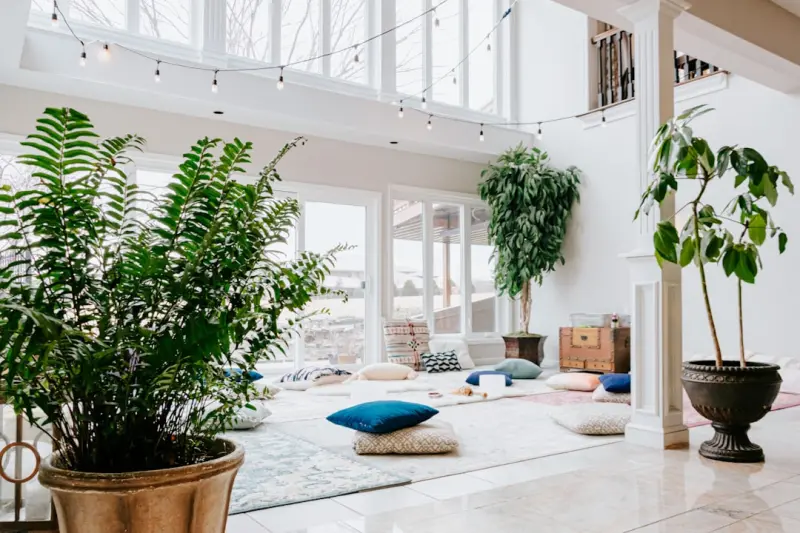
Why a Home Sanctuary Matters More Than Ever
When the world feels like a nonstop sprint, the walls we live behind become our most immediate allies—or our biggest stressors. A home sanctuary is more than a pretty Instagram backdrop; it’s a deliberately crafted environment that supports mental clarity, physical comfort, and emotional resilience. In my own journey from a bustling open‑plan office to a modest city‑side loft, I discovered that the right combination of natural elements, tactile comforts, and subtle cues can transform a chaotic space into a restorative retreat. This isn’t about luxury makeovers or expensive gadgets; it’s about aligning everyday surroundings with the body’s innate need for balance.
Start with the Foundations: Air, Light, and Flow
Before you pick out the perfect throw pillow or decide on a statement piece of art, consider the three invisible pillars that shape every interior experience:
- Air Quality: Fresh, clean air does more than keep you breathing easily; it reduces cortisol levels and supports clearer thinking. Simple steps like opening windows during morning breezes, introducing a handful of air‑purifying plants, or using a low‑noise HEPA filter can dramatically improve the atmosphere.
- Natural Light: Sunlight regulates our circadian rhythm, boosting mood and energy. Even if you don’t have floor‑to‑ceiling windows, strategically placed mirrors can bounce light deeper into the room, while sheer curtains diffuse harsh glare without blocking illumination.
- Movement Flow: The way you move through a space affects stress levels. A cluttered hallway or furniture that blocks sightlines creates mental friction. Arrange pieces so there’s a clear, gentle path from entry to focal points like a reading nook or a small indoor garden.
By addressing these fundamentals first, every subsequent design decision feels anchored in purpose rather than trend.
Bring Nature Inside with Intentional Plant Choices
Plants are the unsung heroes of a sanctuary. Beyond aesthetic appeal, they act as living air filters, humidity regulators, and quiet companions. When I first introduced a few hardy species—snake plant, pothos, and a modest ZZ plant—I noticed a subtle shift: the room felt cooler, the air sweeter, and my mind settled more quickly after a long day.
Here’s a quick guide to selecting the right green allies:
- Low Light Champions: If your sanctuary is tucked away from direct sunlight, opt for hardy varieties like ZZ plant or cast iron plant. They thrive on minimal light and require infrequent watering.
- Air‑Purifying Powerhouses:Snake plant and peace lily excel at removing formaldehyde, benzene, and other indoor pollutants. Place them near electronics or in rooms with limited ventilation.
- Scented Soothers: Herbs such as lavender, rosemary, and mint not only add fragrance but also provide culinary benefits. A small herb window box doubles as a kitchen staple and a sensory calm‑inducer.
Don’t feel pressured to fill every surface with foliage; a single well‑placed plant can serve as a focal point that draws the eye and invites a moment of pause.
Texture as Tactile Therapy
Our sense of touch is often overlooked in interior design, yet it’s a powerful conduit for grounding. Soft throws, chunky knit pillows, woven baskets, and natural wood surfaces create a layered tactile experience that encourages us to slow down and engage physically with our environment.
Consider integrating at least three contrasting textures in each key area:
- Cozy Fabrics: A plush, oversized throw draped over a reading chair invites you to curl up with a book.
- Organic Materials: A rattan basket or a reclaimed‑wood side table adds an earthy, grounding element.
- Cool Surfaces: Polished stone or marble coasters give a subtle, refreshing counterpoint to softer items.
When you run your fingers over these varied surfaces, your brain registers the sensory richness, reducing the mental overload that can stem from overly sterile environments.
Scent: The Invisible Anchor
Smell is directly linked to memory and emotion. A carefully selected scent can cue relaxation, focus, or even creativity. My favorite approach is to rotate subtle, natural aromas that align with the room’s purpose. For a meditation corner, I diffuse a blend of cedarwood and bergamot; in the kitchen, a hint of citrus keeps the atmosphere lively and fresh.
If you prefer an eco‑friendly route, consider DIY reed diffusers using essential oils and carrier liquids, or place dried lavender bundles in low‑traffic areas. The key is to keep fragrances light and non‑overpowering, allowing the scent to act as a background cue rather than a dominant presence.
Mindful Curating of Personal Items
Clutter isn’t just visual noise; it’s a mental weight. I’ve learned to apply the same intentionality I use when curating travel souvenirs—see my piece on mapping memory—to the items that live on my shelves. Each object should earn its place by either serving a function or holding a story that uplifts you.
Adopt a “one‑in, one‑out” rule: when you bring something new home, let go of an older item that no longer resonates. This habit keeps the sanctuary lean and meaningful, ensuring that every piece contributes positively to the overall ambience.
Hydration Stations: More Than a Trend
While a stylish water pitcher may seem purely decorative, it can reinforce a habit that benefits both body and mind. I set up a small “hydration station” on my kitchen island, complete with a glass carafe, sliced cucumber, and a few fresh mint leaves. The visual cue of a beautifully arranged water setup reminds me to sip regularly, supporting mental clarity and skin health.
For those curious about a data‑driven approach to drinking, explore the concept of personalized hydration. By tracking activity levels and ambient temperature, you can fine‑tune your water intake to match your body’s precise needs, turning a simple habit into a customized wellness ritual.
Creating a Dedicated “Reset” Zone
Every sanctuary thrives on a designated space where you can consciously shift gears. This could be a small corner by a window with a comfortable floor cushion, a low table, and a journal; or a compact desk set up for mindful sketching. The purpose is singular: to signal to your brain that it’s time to transition from “do‑mode” to “be‑mode.”
Equip this zone with:
- A soft, neutral‑colored blanket or shawl that invites you to wrap yourself in comfort.
- A single, low‑tech item—like a hand‑bound notebook or a set of colored pencils—to keep digital distractions at bay.
- A subtle light source, such as a Himalayan salt lamp or a warm LED candle, that creates a gentle glow without the harshness of overhead fixtures.
When you consistently use this corner for brief meditation, journaling, or simply breathing, the space becomes a neural cue for relaxation, making it easier to unwind after a demanding day.
Seasonal Shifts: Letting Your Sanctuary Evolve
Just as nature cycles through seasons, your home sanctuary can—and should—adapt to the changing climate and mood. In spring, introduce fresh-cut flowers and brighter linens; in autumn, swap them for plush throws, warm-toned candles, and dried botanicals like eucalyptus or rosemary.
These seasonal updates keep the environment feeling fresh and aligned with the external world, reinforcing the sense that your home is a living, breathing extension of your own rhythm.
Technology as a Subtle Support, Not a Distraction
Incorporating tech into a sanctuary is a delicate balance. The goal is to let technology serve the space, not dominate it. Simple solutions include:
- Smart speakers that respond only to voice commands, eliminating the need for visible remotes.
- App‑controlled lighting that mimics sunrise and sunset, enhancing natural circadian cues.
- White‑noise machines or nature sound playlists that mask urban clamor without demanding visual attention.
When used mindfully, these tools can deepen the sense of calm rather than pull you away from the present moment.
Putting It All Together: A Sample Sanctuary Blueprint
To illustrate how these elements blend, here’s a concise walkthrough of a 12‑square‑meter living area transformed into a sanctuary:
- Flooring: Light‑colored bamboo planks that reflect natural light.
- Seating: A low, upholstered floor chair with a removable, washable cover.
- Plants: A tall fiddle‑leaf fig in the corner, a trailing pothos draped over a shelf, and a small herb garden on the windowsill.
- Textures: A chunky knit throw, a woven sisal rug, and a reclaimed‑wood side table.
- Scent: A reed diffuser with cedarwood‑bergamot blend placed near the chair.
- Lighting: A floor lamp with a warm, dimmable bulb and a strategically placed mirror to amplify daylight.
- Hydration Station: A glass pitcher with cucumber slices and a small stack of reusable water bottles.
- Reset Zone: A low, circular cushion with a small journal and a set of pastel pens.
- Seasonal Touch: Spring – a vase of tulips; Autumn – a hand‑woven blanket and a pumpkin‑scented candle.
Each piece is intentional, reinforcing the sanctuary’s core mission: to nurture, calm, and re‑energize.
Final Thoughts: Your Sanctuary, Your Signature
Designing a home sanctuary isn’t a one‑size‑fits‑all project; it’s an evolving personal practice. As you experiment with plants, textures, scents, and subtle tech, you’ll discover what truly resonates with your senses and supports your wellbeing. Remember that the most powerful transformations start small—a single plant, a new blanket, a quiet corner. Over time, those modest adjustments compound, turning any ordinary living space into a haven that feels uniquely yours.

In the world of freelance writing, where creativity and adaptability are paramount, Michelle Fisher stands out as a dedicated and versatile professional. With a passion for crafting compelling narratives and a keen eye for detail, Michelle has established herself as a trusted voice.
Related Posts

The Rise of Native Pollinator Gardens: Transform Your Yard into a Biodiversity Hub
Discover how to turn any yard into a vibrant pollinator sanctuary using native plants, seasonal desi... Read More

The Art of the Seasonal Window Garden: Bringing the Outdoors Inside
Learn to create a vibrant, year‑round window garden that adds fresh herbs, colors, and calming sce... Read More

Creating a Backyard Habitat for Native Bees and Butterflies
A step‑by‑step guide to turning any backyard into a thriving haven for native bees, butterflies,... Read More
Top Posts

The Breath Reset: How Intentional Breathing Can Rewire Your Immune System
Intentional breathwork, especially slow exhalations, activates the parasympathetic system, reducing stress hormones and inflammation, thereby enhancing immune r...Read More

Tuning Your Body: How Sound Waves Can Elevate Everyday Health
Explore the science behind sound healing, learn easy daily practices, and see how vibration can enhance sleep, mood, and overall wellness....Read More

Layered Sensory Self‑Care: Turning Everyday Moments into a Wellness Ritual
Explore a fresh approach to personal care by layering tactile, auditory, and olfactory cues, turning daily routines into intentional, rejuvenating experiences....Read More

Garden Whisper: Designing a Year‑Round Outdoor Reading Nook
Learn to create a peaceful outdoor reading nook using reclaimed furniture, seasonal plants, and eco‑friendly lighting—turn your garden into a literary retre...Read More
0 Comments
Post Comment
You will need to Login or Register to comment on this post!