
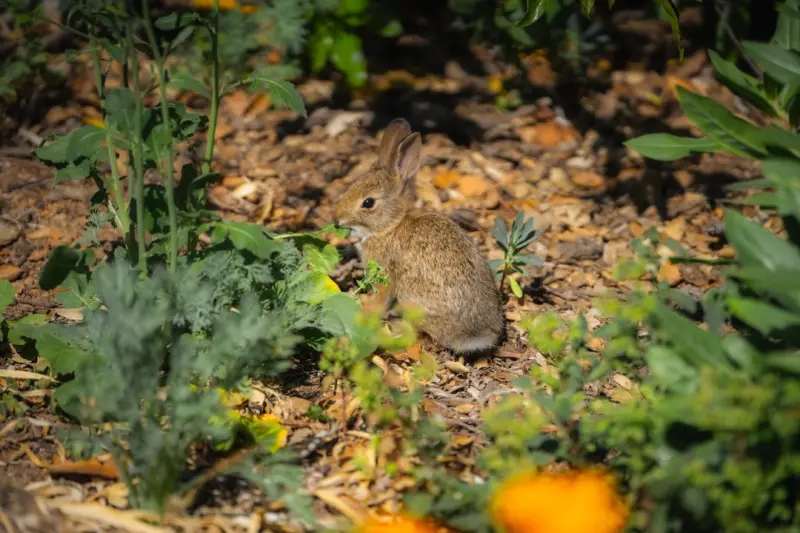
Why Turning Your Yard into a Wildlife Corridor Is the Next Home Upgrade
When I first moved into a suburban cul‑de‑sac, the most exciting thing about my new house was the blank canvas of the backyard. I imagined a sleek patio, a few potted herbs, maybe a modest lawn. But after a summer of listening to the chorus of crickets and watching a shy robin dart between the hedges, I realized that the real value of a yard isn’t in its square footage—it’s in the life it can host.
That epiphany sparked a personal mission: transform my ordinary lawn into a thriving wildlife corridor. Not just for the occasional butterfly, but for pollinators, birds, amphibians, and even the beneficial insects that keep garden pests in check. In this post, I’ll walk you through the why, the what, and the how—so you can recreate the experience in your own home without turning your garden into a chaotic jungle.
The Bigger Picture: Home, Garden, and Biodiversity
Our homes are no longer isolated islands. Urban sprawl has fragmented natural habitats, leaving many species without safe passage between green spaces. By intentionally designing a segment of our property as a wildlife corridor, we become part of a larger ecological network. This isn’t just an environmental feel‑good gesture; it’s a practical strategy that boosts garden health, reduces the need for chemical interventions, and even enhances our own mental well‑being.
Research shows that households with native‑plant gardens see up to a 30% increase in pollinator activity. Those pollinators, in turn, improve fruit set for any edible plants you might grow—a subtle but tangible return on investment.
Step 1: Map Your Space Like a Landscape Architect
Before you buy a single seed, grab a piece of graph paper (or a digital design app) and sketch the outline of your yard. Identify existing features: driveway, patio, trees, fences, and sun exposure zones. Then, ask yourself three key questions:
- Connectivity: Where can a corridor link to neighboring green spaces, such as a street tree line or a neighbor’s garden?
- Micro‑habitats: Which areas receive full sun, partial shade, or full shade? Different species thrive in different light conditions.
- Safety: Where do predators (like cats) or human traffic pose the greatest risk to wildlife?
Once you have a rough map, you’ll see natural “highways” where a ribbon of native plants can snake through, creating a continuous path for wildlife to travel.
Step 2: Choose Native Plants That Do the Heavy Lifting
Native species are the unsung heroes of a wildlife corridor. They’re adapted to local soil, climate, and the specific insects that local birds rely on. Here are a few categories to consider:
- Early‑Season Flowering Shrubs (e.g., Viburnum trilobum, Red‑twig Dogwood) – Provide nectar for bees emerging from winter dormancy.
- Mid‑Season Perennials (e.g., Black-eyed Susan, Echinacea) – Offer continuous bloom for butterflies and hoverflies.
- Late‑Season Trees (e.g., Serviceberry, Oak) – Produce berries that feed birds during migration.
- Groundcovers & Leaf‑Litter Producers (e.g., Wild Ginger, Ferns) – Create shelter for amphibians and beneficial insects.
If you’re looking for a quick win, start with a food forest approach. While the focus there is edibility, many of the same trees and shrubs (like hazelnut and serviceberry) double as wildlife magnets, giving you a two‑for‑one benefit.
Step 3: Layer Your Habitat Like a Natural Quilt
Think of your corridor as a three‑dimensional quilt. The top layer is the canopy—tall trees and shrubs that offer perching spots and shelter. The middle layer consists of flowering perennials that provide nectar and pollen. The bottom layer is the groundcover, which retains moisture, offers hiding places, and supports a host of micro‑fauna.
When you layer in this way, you create vertical diversity, which attracts a wider range of species. For instance, a hummingbird may sip from a high‑up trumpet vine, while a ground beetle hunts among the leaf litter below.
Step 4: Water Features – Small Ponds, Bird Baths, and Moisture Zones
Water is the lifeblood of any ecosystem. You don’t need a sprawling koi pond; a modest rain‑filled basin or a shallow dish with pebbles can serve amphibians and provide a drinking source for birds. If you have the space, a miniature wetland—a shallow depression lined with native aquatic plants—can become a hub for dragonflies, which are voracious mosquito eaters.
Remember to keep water fresh and safe. A simple solar‑powered pump can circulate water, preventing stagnation, and a small skimmer helps keep debris out.
Step 5: Install Gentle “Guidance” Structures
Wildlife often needs subtle nudges to stay on the corridor. Consider these low‑impact additions:
- Birdhouses and Nest Boxes – Sized for specific species (e.g., bluebirds, chickadees). Place them at a height of 5‑10 feet, away from direct sun.
- Insect Hotels – Bundles of hollow reeds, drilled logs, and pine cones provide nesting sites for solitary bees and wasps.
- Log Piles – Stack a few logs in a shady corner; they become roosting spots for beetles, fungi, and even small mammals.
These structures act like signposts, encouraging creatures to linger and move through your garden rather than skirting around it.
Step 6: Reduce Chemical Interventions
One of the biggest threats to a wildlife corridor is the use of synthetic pesticides and fertilizers. These chemicals can decimate the very insects you’re trying to attract. Instead, adopt integrated pest management practices:
- Use companion planting to naturally repel pests (e.g., planting marigolds near tomatoes).
- Encourage predatory insects like ladybugs and lacewings by providing aphid‑laden plants as “trap crops”.
- Apply organic mulches to retain moisture and suppress weeds.
By letting nature regulate itself, you’ll notice a balanced garden ecosystem that requires less hands‑on maintenance over time.
Step 7: Monitor, Adjust, and Celebrate
Creating a wildlife corridor is a dynamic process. Set aside a few minutes each week to observe:
- Which species are visiting? Identify them with a field guide or a smartphone app.
- Are certain plants not thriving? Adjust soil amendments or consider relocating them to a more suitable micro‑habitat.
- Is water staying clean? Refresh or upgrade your water feature as needed.
Keep a simple log—maybe a notebook or a digital spreadsheet. Over months, you’ll see trends, and those patterns will inform the next round of planting or structural tweaks.
Bonus: Pairing Your Corridor with Home Comfort Hacks
While you’re busy turning your yard into a thriving ecosystem, you can also master micro‑climate hacks inside your house. For instance, planting shade trees on the sun‑exposed side of your home can naturally cool interior spaces in summer, reducing the need for air conditioning. The same trees also provide food and shelter for the wildlife you’re attracting—a win‑win scenario.
Common Misconceptions—and How to Overcome Them
“I don’t have enough space.” Even a modest balcony can host a miniature corridor using vertical planters, dwarf varieties, and hanging insect hotels.
“It will look messy.” A well‑designed corridor balances aesthetics with function. Choose plants with varying foliage textures and colors to create visual interest that still serves ecological purposes.
“I’m not a botanist.” You don’t need a Ph.D. in horticulture. Local extension services, native plant societies, and online forums are treasure troves of region‑specific advice.
Final Thoughts: From Backyard to Biodiversity Hub
When I first planted the first native shrub in my yard, I didn’t expect a family of Eastern Bluebirds to nest just a few weeks later. Watching them flutter between branches reminded me that the smallest changes can ripple outward, influencing the health of the broader environment.
By treating your garden as a living corridor rather than a static display, you create a space that feeds, shelters, and inspires. It’s a quiet form of activism that benefits your home, your community, and the planet.
If you’re ready to take the leap, start small, stay curious, and let the rhythms of nature guide your next home improvement project. Your backyard will thank you—and so will the countless winged, crawled, and hopping guests that call it home.

Seth Samual is a name that's quickly becoming synonymous with compelling and insightful writing. As a freelance writer, Seth has carved a niche for himself by delivering high-quality content across a diverse range of subjects.
Related Posts
From Backyard to Boardroom: How a Garden Desk Changed My Life
A personal journey reveals how swapping a cubicle for a garden desk reshapes daily life, blending wo... Read More
Smart Soil Sensors: The Low‑Maintenance Garden Revolution
A deep dive into how smart soil sensors enable gardeners to automate watering, optimize nutrients, a... Read More
Native Plant Gardens: The Busy Professional’s Blueprint for Effortless Beauty
Learn how to create a beautiful native plant garden that thrives with minimal care, perfect for busy... Read More
Top Posts

Unlocking the AI Knowledge Graph: Your Personal Brain Extension
Explore the rise of AI knowledge graphs that transform fragmented notes into a dynamic, personal brain extension, unlocking hidden connections and empowering sm...Read More

Tuning Your Workday: How Curated Soundscapes Boost Mental Health
Learn how intentional audio design can transform your workspace, lower stress, and sharpen focus. This guide walks you through auditing, curating, and automatin...Read More

AI as a Creative Co‑Pilot: Redefining B2B Marketing in the Age of Collaboration
Treat AI as a co‑pilot, not a replacement. This post reveals practical ways to fuse human empathy with AI speed, from brainstorming to talent matching, while ...Read More

Talent Marketplaces Inside Companies: Unlocking Peer‑to‑Peer Skill Exchange
A deep dive into internal talent marketplaces reveals how peer‑to‑peer skill exchange replaces static job titles, driving agility, engagement, and retention...Read More
0 Comments
Post Comment
You will need to Login or Register to comment on this post!