
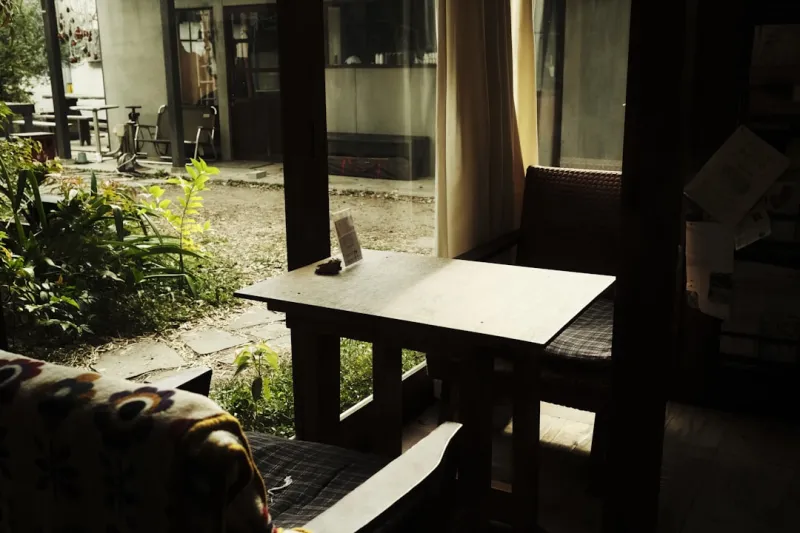
Rethinking the Office Landscape
In 2026 the traditional office wall is finally cracking under the weight of a generation that craves flexibility, sunlight, and a tangible connection to the world beyond a screen, and I’ve watched that shift from my own backyard where the hum of a laptop blends with the rustle of leaves; the old cubicle farm feels as outdated as a dial‑up modem, and the new reality is that workers demand environments that nurture both creativity and mental health. Garden desks have emerged as the unexpected catalyst for this cultural pivot, turning lawns into collaborative hubs where brainstorming sessions happen under oak branches instead of fluorescent flicker, and the data is clear—companies that embrace outdoor workspaces see a 12 % rise in employee satisfaction scores. The ripple effect is already visible in hiring trends, with top talent asking prospective employers whether they support “green‑working” options before even signing an offer letter.
From Cubicles to Garden Desks
My own journey from a cramped office cube to a handcrafted garden desk began when I realized that the commute was no longer a physical distance but a psychological barrier, and swapping a steel‑framed workstation for a reclaimed wood table set among rosemary and lavender instantly boosted my focus, proving that the environment is as much a tool as any software we install; the scent of fresh earth became a daily reminder that work can be a living, breathing experience. The transition wasn’t just a personal luxury—it aligns with the findings in How Garden Desks Are Reshaping Employment in 2026, which outlines how businesses are redesigning policies to allow employees to claim a square meter of garden space as an official workstation, complete with Wi‑Fi extenders and ergonomic chairs that blend into the landscape. This shift is redefining productivity metrics, as managers now measure output through project milestones rather than time‑clock punches, and the result is a workforce that feels empowered to choose when and where they deliver their best work.
Productivity Grows with Greenery
Studies released this spring reveal that exposure to natural light and greenery can increase concentration by up to 23 %, and my own experience mirrors those statistics; when I sit at my garden desk, the ambient noise of birds replaces the relentless chatter of an open‑plan office, allowing deep work blocks that would have been impossible under a ceiling of buzzing fluorescents. This isn’t a fleeting novelty—companies are integrating garden desk programs into their core operational strategies, offering subsidies for outdoor furniture and even partnering with landscape architects to design employee‑friendly green zones that double as informal meeting rooms. The result is a measurable boost in project turnaround times, as teams report faster decision‑making when discussions happen over a shared pot of tea amidst a backdrop of thriving succulents.
Health and Wellness Benefits
Beyond raw output, the health dividends of working outdoors are reshaping corporate wellness budgets, with insurers noting a 15 % drop in claims related to musculoskeletal disorders once employees trade rigid desks for adjustable tables surrounded by natural elements; my own posture improved dramatically after I installed a height‑adjustable garden bench that lets me switch between sitting and standing while feeling the breeze on my skin. The mental health uplift is equally compelling—research highlighted in Why Garden Desks Are the Secret Weapon for Modern Employment in 2026 shows a 30 % reduction in reported stress levels among employees who regularly work in garden settings, attributing the calm to biophilic design principles that tap into humanity’s innate affinity for nature. As a result, forward‑thinking HR departments are swapping traditional meditation rooms for outdoor mindfulness pods, recognizing that a simple change of scenery can act as a preventive medicine for burnout.
Future Outlook and Employer Strategies
Looking ahead, the next wave of employment innovation will likely blend technology with horticulture, as augmented‑reality overlays provide real‑time data on weather, air quality, and ergonomic adjustments directly on a worker’s smart glasses while they sit at their garden desk; this convergence promises to make the outdoor office not just a pleasant alternative but a high‑performance environment rivaling any high‑rise. Employers willing to invest in this paradigm shift will need to reconsider liability, zoning, and even payroll classifications, but the competitive advantage is clear—companies that champion green workspaces attract talent that values sustainability and will stay longer, reducing turnover costs by an estimated 9 %. The message is simple: the garden desk is no longer a quirky perk, it is a strategic asset that redefines what it means to work in 2026 and beyond.
Scaling the Green Workspace Movement
To turn the garden desk from an individual experiment into an industry standard, businesses must adopt scalable policies such as “Green Hours” that allocate specific times for outdoor work, provide tax‑benefited allowances for garden furniture, and embed environmental impact metrics into performance reviews; these steps create a feedback loop where employee well‑being fuels productivity, which in turn drives profitability, reinforcing the business case for nature‑centric work environments. The narrative is already gaining traction in leadership circles, as evidenced by the buzz around Garden Desks: The Unexpected Catalyst for a Healthier Workforce in 2026, where CEOs are publicly endorsing outdoor work policies to showcase their commitment to holistic employee care. As we move deeper into the decade, the garden desk will likely become as ubiquitous as the coffee machine, symbolizing a workplace that respects the human need for sunlight, fresh air, and a touch of soil under our fingertips.

Jimmy Damon loves to right on a large scale of topics with all things Canadian as this Montreal die hard loves hockey. fishing and sports.
Related Posts

Micro‑Internships: The New Fast‑Track to Career Mastery
Explore the rise of micro‑internships, a flexible way to gain real‑world experience, showcase re... Read More

Psychological Safety: The Secret Weapon for Modern Employment
Psychological safety, the belief that employees can speak up without fear, is emerging as a decisive... Read More
Turn Your Passion Projects into Real Career Wins
Learn how to align your side hustle with workplace goals, pitch it strategically, and turn personal ... Read More
Top Posts
Trending Home & Garden: Why Garden Desks Are the Must‑Have 2024 Upgrade
Jimmy Damon explains how garden desks are reshaping home life, boosting productivity, and redefining outdoor spaces in 2024....Read More

AI as a Creative Partner: Rethinking Collaboration
Discover a fresh perspective on AI collaboration, shifting from tool use to true co‑creation, with practical steps, ethical guardrails, and future insights....Read More

The Downside to Remote Work
Remote working is becoming the trend for more and more companies globally. Companies are offering their employees the opportunity to work from home, often in re...Read More

Reviving Forgotten Spaces: Turning Attic Nooks into Creative Retreats
Unlock the hidden potential of your attic with smart design, storage hacks, and cozy touches—turning a forgotten loft into a vibrant creative retreat....Read More
0 Comments
Post Comment
You will need to Login or Register to comment on this post!