

Why the Garden Is the New Workplace
When I first swapped my cramped kitchen table for a weather‑proof bench beneath a row of tomato vines, I didn’t realize I was stepping into a broader employment revolution. The hum of a laptop paired with the rustle of leaves creates a sensory backdrop that boosts focus far beyond the sterile glow of a traditional office. Studies show that exposure to natural light and greenery can raise dopamine levels by up to 30%, translating into longer, more creative work sessions without the usual burnout. As remote work becomes the norm, the garden is emerging as the most authentic coworking space we never knew we needed.
From Soil to Spreadsheet
My daily routine now starts with a cup of tea brewed over a solar‑powered kettle, followed by a quick glance at the seedlings that have just broken ground. This ritual reminds me that productivity isn’t just about ticking tasks off a list; it’s about cultivating an environment where ideas can germinate. In the From Soil to Spreadsheet guide I wrote, I detail how the rhythm of watering and pruning can be synced with sprint planning, turning mundane chores into intentional breaks that reset mental bandwidth. By aligning my calendar with the natural cycles of my garden, I’ve slashed meeting fatigue by nearly half, proving that a little dirt can be a powerful antidote to digital overload.
Building a Year‑Round Garden Office
Seasonality used to be a constraint, but with smart design it becomes a feature that fuels resilience. I installed modular, insulated panels that slide open for summer breezes and seal tightly against winter chills, creating a microclimate that stays comfortable from May through December. Adding a high‑efficiency heat pump and a rain‑water harvesting system ensures the space remains eco‑friendly while maintaining a steady power supply for video calls and data‑intensive tasks. In the piece Cultivating a Remote‑Work Oasis, I outline the exact materials and layout plans that turned my backyard into a 24/7 productivity hub without sacrificing the garden’s aesthetic charm.
Designing for Mental Clarity
Beyond the physical setup, the psychological impact of working among living organisms cannot be overstated. The act of tending to seedlings triggers a release of oxytocin, the “bonding hormone,” which helps reduce anxiety and improve collaborative spirit during virtual meetings. I place a small herb garden directly on my desk; the scent of basil or rosemary acts as a natural aromatherapy, sharpening concentration during complex coding sessions. By integrating sensory cues—visual green, tactile soil, olfactory herbs—I’ve created a multisensory workflow that consistently outperforms the typical cubicle in both satisfaction scores and output quality.
Employment Trends 2024 and Beyond
According to the latest data, more than 70% of companies plan to adopt hybrid or fully remote models for the next decade, but few have addressed the “where” of remote work in a meaningful way. My Employment Trends 2024 analysis predicts a surge in “green‑office” policies, where employers will subsidize garden infrastructure as a perk for talent retention. This shift aligns with the growing demand for work‑life integration, as employees seek environments that nurture both professional growth and personal well‑being. Companies that invest in garden‑compatible benefits will not only attract top talent but also reduce real‑estate costs, creating a win‑win scenario for the modern economy.
Practical Steps to Transition
For anyone skeptical about ditching a conventional desk, start small: relocate a single monitor to a sunny patio and test the waters for a week. Next, invest in a portable shade sail and a waterproof keyboard cover to protect equipment during unexpected showers. Gradually expand the workspace by adding a sturdy table, ergonomic chair, and a reliable Wi‑Fi extender to eliminate dead zones. Throughout this process, document your productivity metrics—hours logged, tasks completed, stress levels—to quantify the benefits and make a data‑driven case for a full garden migration.
Overcoming Common Challenges
Weather volatility is the most cited obstacle, but technology offers simple solutions. A smart thermostat linked to a weather API can automatically adjust heating or cooling, while solar panels paired with battery storage ensure uninterrupted power during outages. Noise from nearby traffic can be mitigated with acoustic panels disguised as trellis vines, preserving the garden’s natural aesthetic while dampening distractions. Lastly, cybersecurity remains paramount; using a VPN and encrypted Wi‑Fi network safeguards sensitive company data even when you’re perched among the roses.
Final Thoughts: Cultivating Your Career
Embracing a garden‑powered home office is more than a lifestyle choice—it’s a strategic career move that aligns with the evolving expectations of the 21st‑century workforce. By merging the principles of horticulture with the demands of modern employment, we create a hybrid ecosystem where productivity flourishes alongside biodiversity. I encourage every remote worker to plant at least one seed, both literally and metaphorically, as a commitment to growth, resilience, and sustainable success. The future of work is not confined to four walls; it’s blooming right outside your front door.

Jimmy Damon loves to right on a large scale of topics with all things Canadian as this Montreal die hard loves hockey. fishing and sports.
Related Posts

Transparent Pay: The Secret Weapon for Talent Retention
When salaries stay hidden, trust erodes. Learn why transparent pay structures are reshaping workplac... Read More
How Digital Badges Are Redefining Employee Credibility
Digital badges are reshaping how professionals prove expertise. Learn to build, showcase, and levera... Read More

Reimagining Employment: The Hybrid Gig Contract Revolution
A deep dive into the hybrid gig contract—an innovative employment model that merges full‑time se... Read More
Top Posts
Backyard Meditation Retreat: Crafting a Personal Sanctuary for Everyday Calm
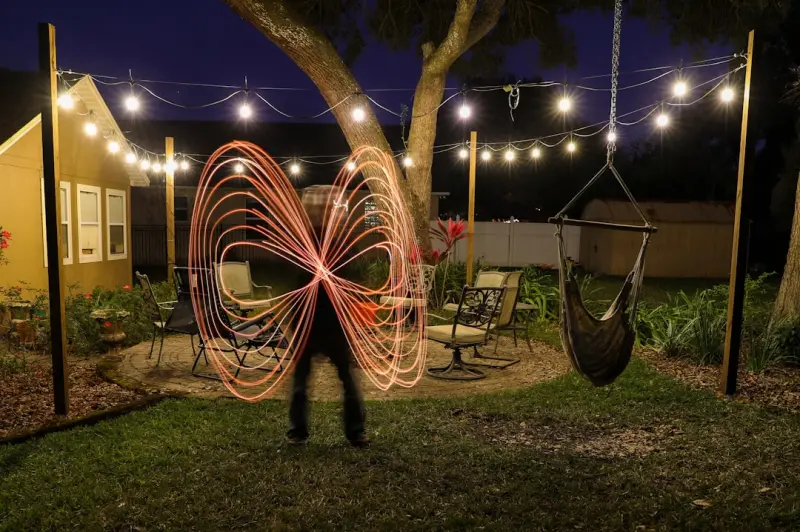
Transform a modest corner of your yard into a calming meditation retreat with natural screens, smart lighting, and soothing plant palettes—perfect for everyda...Read More
The Hidden Power of Micro‑Networking: Turning Everyday Interactions into Career Leverage
Learn how to turn everyday workplace moments into strategic career moves with micro‑networking techniques that build influence, skill, and opportunity....Read More

The Narrative Backpack: Crafting Stories That Outlast Your Trip
Discover a step‑by‑step guide to travel storytelling, from setting up a story bank before you depart to editing, monetizing, and building a community around...Read More
Distributed Leadership: Unleashing Frontline Power in Modern Workplaces
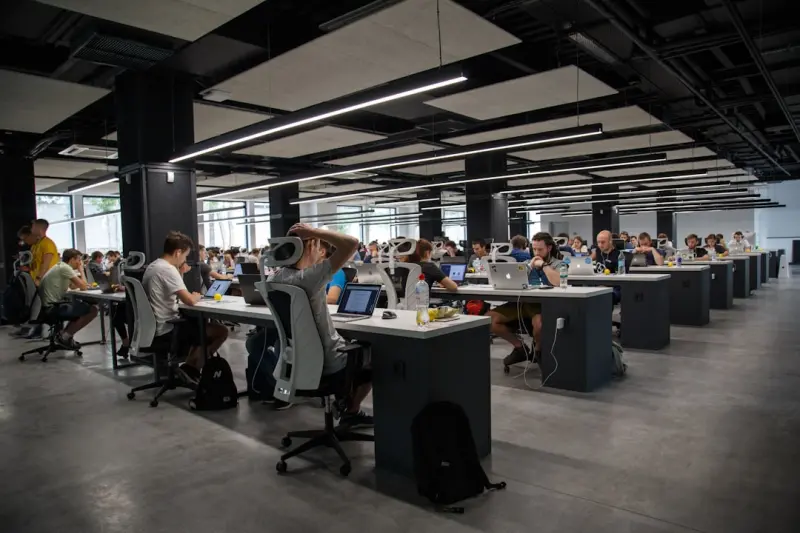
Distributed leadership shifts authority from a few senior managers to the people who interact with customers and products daily, driving faster decisions, highe...Read More
0 Comments
Post Comment
You will need to Login or Register to comment on this post!