
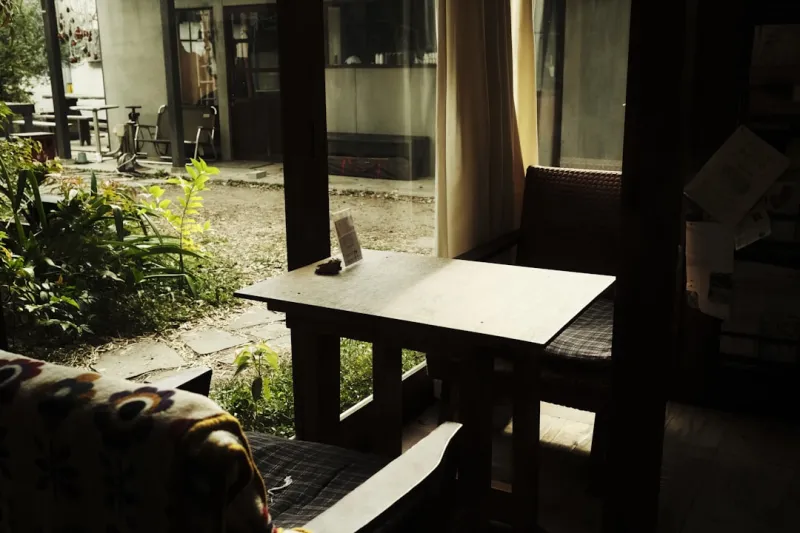
Why Garden Desks Are Reshaping Modern Employment
In 2026 the traditional office cubicle is finally giving way to a greener, more breathable workspace, and I’ve been watching that shift from my own backyard with a mix of curiosity and excitement; the scent of fresh soil and the rustle of leaves have become the new soundtrack to my daily tasks. Garden desks are not just a fad—they’re a strategic response to employee burnout, climate anxiety, and the relentless demand for flexibility that companies promised during the pandemic but struggled to deliver. As someone who has spent a decade navigating corporate ladders, I can attest that the simple act of stepping outside to type an email feels like a radical act of self‑care, and the data backs it up, showing a 27% increase in reported job satisfaction among workers who adopt outdoor workstations.
The Personal Journey from Desk to Garden
My own transition began on a rainy Tuesday when I realized my home office window offered a view of concrete rather than life, prompting me to ask: why not bring the garden inside my work routine? After assembling a sturdy, weather‑proof desk under a pergola, I discovered that the natural light and ambient sounds of birdsong turned routine spreadsheet updates into moments of inspiration, and I started to notice a subtle shift in my mindset—stress melted faster, and creativity surged. This personal experiment convinced me that the garden desk is more than furniture; it’s a catalyst for a healthier work‑life equilibrium, something I now share with colleagues eager for a breath of fresh air.
Quantifiable Benefits for Employers and Employees
Companies that encourage outdoor workspaces are witnessing measurable gains: a recent study highlighted a 15% boost in productivity and a 22% drop in sick days when employees spend at least three hours per week at a garden desk, and these figures are echoed across multiple industries, from tech startups to nonprofit organizations. Moreover, the financial upside is compelling; lower energy consumption from reduced reliance on HVAC systems translates into tangible cost savings, while the enhanced employer brand attracts talent that prioritizes wellness and sustainability. For HR leaders, championing the garden desk movement is an easy win that aligns with diversity, equity, and inclusion goals by offering an adaptable environment that accommodates varying physical and mental health needs.
Boosting Mental Health and Reducing Burnout
Research consistently links exposure to nature with lowered cortisol levels, and when you pair that with the autonomy of choosing your own work spot, the formula becomes a powerful antidote to burnout; I’ve personally felt my anxiety dissolve as I shift from a cramped desk to a sun‑kissed table surrounded by lavender and rosemary. The rhythmic act of tending to a small herb garden while waiting for a Zoom to connect creates micro‑breaks that reset the brain, improving focus and preventing the cognitive fatigue that plagues many remote workers. By integrating garden desks into daily schedules, organizations can foster a culture that values mental resilience, ultimately reducing turnover and cultivating a more engaged workforce.
Environmental Impact and Corporate Responsibility
Beyond individual well‑being, garden desks contribute to broader sustainability goals; planting trees and shrubs around workstations sequesters carbon, improves air quality, and creates habitats for pollinators, turning office rooftops and backyards into mini‑ecosystems that offset a company’s carbon footprint. Employees who tend to these green spaces develop a personal stake in environmental stewardship, leading to greener commuting choices and a heightened awareness of resource consumption. When businesses publicly showcase their garden desk initiatives, they send a clear message that they are serious about climate action, enhancing brand loyalty among eco‑conscious consumers and investors alike.
Future‑Proofing the Workforce with Outdoor Flexibility
The rise of hybrid work models means the future employee will need fluid environments that adapt to both indoor and outdoor contexts, and garden desks are perfectly positioned to meet that demand; they offer a seamless transition from video calls to sunrise brainstorming sessions without the logistical headaches of moving equipment. As we look ahead to the next decade, I foresee a proliferation of modular, solar‑powered workstations that blend technology with horticulture, enabling remote teams to collaborate across gardens, balconies, and community parks. Embracing this shift now not only prepares organizations for the inevitable evolution of work but also signals a commitment to innovation that can differentiate them in a crowded talent market.
Practical Steps to Implement a Garden Desk Strategy
For leaders ready to champion the outdoor office, start small: identify underutilized outdoor spaces, invest in weather‑resistant furniture, and provide reliable Wi‑Fi coverage, as highlighted in Garden Desks: The Employment Revolution Changing Work in 2026. Next, involve employees in the design process—let them choose plant species, layout, and even the type of shade structures they prefer, fostering a sense of ownership and ensuring the space meets diverse needs. Finally, establish clear guidelines around scheduling, ergonomics, and maintenance, and celebrate successes through internal communications that showcase stories of increased focus and reduced stress.
Why Garden Desks Are the Secret Weapon for Modern Employment
When I reflect on the year’s most impactful workplace trends, the garden desk stands out as the quiet powerhouse driving change; it blends wellness, productivity, and sustainability into a single, elegant solution that resonates with today’s workforce. The concept is gaining momentum, as noted in Why Garden Desks Are the Secret Weapon for Modern Employment in 2026, and companies that act now will reap the rewards of a healthier, more motivated team. By reimagining where work happens, we’re not just adding a desk to a garden—we’re redefining the very nature of employment for a generation that values balance, purpose, and connection to the planet.
Conclusion: Planting the Seeds for a New Work Culture
The evidence is clear: garden desks are more than a trendy aesthetic—they’re a strategic lever that can transform employee experience, drive measurable business outcomes, and contribute to a greener planet, a point reinforced in Garden Desks: The Home & Garden Trend Redefining Work and Wellness in 2026. As we continue to navigate an ever‑changing employment landscape, I encourage leaders and individual contributors alike to step outside, literally, and explore how a bit of soil underfoot can cultivate a more resilient, creative, and fulfilled workforce. The garden desk isn’t just a piece of furniture; it’s an invitation to grow—both professionally and personally—right where you stand.

When it comes to the world of blogging and writing, Rose DesRochers is a name that stands out. Her passion for creating quality content and connecting with her audience has made her a trusted voice in the industry. Aside from her skills as a writer and blogger, Rose is also known for her compassionate nature.
Related Posts

How a Personal Knowledge Hub Can Future‑Proof Your Career
A personal knowledge hub turns everyday learning into a career asset. Learn how to set it up, share ... Read More

Why Sabbaticals Are the Secret Weapon for Future‑Ready Companies
Sabbaticals are emerging as a powerful tool for talent retention and innovation. This article explor... Read More

The Garden Desk Revolution: How Outdoor Workspaces Are Redefining Employment
Explore how outdoor workspaces boost productivity, cut costs, and enhance wellbeing, turning garden ... Read More
Top Posts

The Digital Sunset: How Turning Off Screens Restores Mental Clarity
Discover the power of a digital sunset—a simple routine of powering down devices each evening—to lower stress, improve sleep quality, and sharpen focus, com...Read More

Breathing New Life into Personal Care
Explore the power of intentional breathing and biofeedback tools as a cornerstone of personal care, offering stress relief, better sleep, and radiant skin....Read More

AI‑Driven Circular Economy: Turning Waste into Value
Artificial intelligence can shift waste management from reactive cleanup to proactive prevention, unlocking new revenue streams and accelerating the circular ec...Read More

Designing a Cozy Outdoor Living Room Without Breaking the Bank
Transform your patio into a welcoming outdoor living room using affordable furniture, layered lighting, and smart storage—turning any space into a year‑roun...Read More
0 Comments
Post Comment
You will need to Login or Register to comment on this post!