

Rethinking the Workplace in 2026
When I first walked into a traditional office in early 2026, the hum of air‑conditioners and the sterile glow of fluorescent lights felt like a relic from a bygone era, and I couldn’t help but wonder why we were still shackling ourselves to cubicles that stifle creativity; today, the conversation has shifted dramatically toward environments that nurture both mind and body, and I’ve watched countless colleagues trade their cramped desks for open‑air setups that feel more like retreats than workstations, a change that is reshaping how we define productivity and engagement across the entire employment landscape. Employers are finally recognizing that the physical setting is a strategic asset, not a cost center, and the data pouring in from wellness studies, engagement surveys, and turnover metrics all point to one undeniable truth: when people feel connected to nature, their output skyrockets, their stress plummets, and the very culture of the organization begins to pulse with a new, vibrant energy that can’t be replicated behind closed walls. This shift is not a fleeting fad but a foundational evolution, and as someone who has lived both sides of the fence, I can attest that the ROI on reimagining the workplace is as tangible as the fresh air that now fills our meeting rooms.
Why the Physical Environment Matters More Than Ever
In the hyper‑connected world of 2026, remote work has dissolved geographic boundaries, yet it has also amplified the importance of the micro‑environment where the digital handshake actually takes place, because every video call, every collaborative document, and every brainstorming session is filtered through the lens of a worker’s immediate surroundings; I have seen teammates who once thrived in bustling city offices stumble when transplanted to cramped home offices, their focus fragmented by limited daylight, poor ergonomics, and a lack of tactile connection to the outside world, which in turn erodes both morale and measurable output. Research from leading HR analytics firms now quantifies this effect, showing a direct correlation between natural light exposure and cognitive performance, while the absence of green elements can increase error rates by as much as 12 %, a statistic that makes CEOs sit up and take notice when profit margins are on the line. By embracing environments that blend work with wellness, companies can unlock latent potential, reduce absenteeism, and foster a sense of belonging that resonates far beyond the quarterly earnings report.
The Rise of the Garden Desk
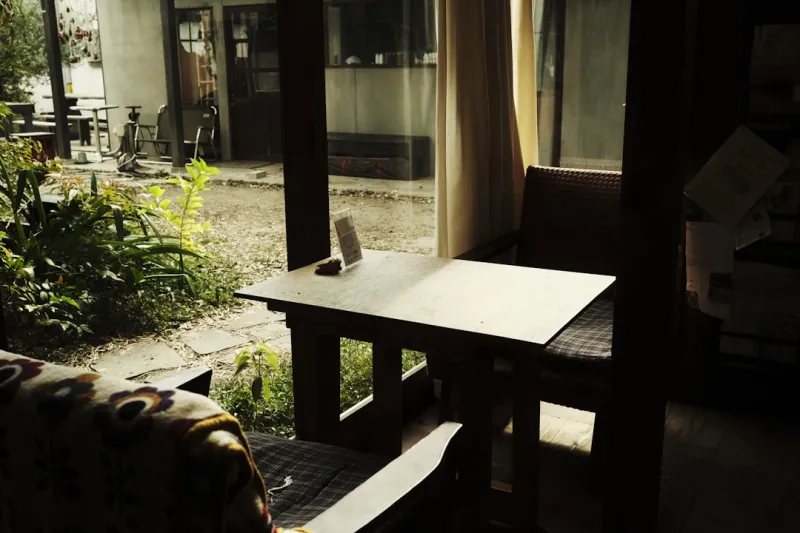
Enter the garden desk—a hybrid of functionality and biophilia that has taken the employment world by storm, and I’m proud to say that my own backyard now doubles as a high‑performance office where I close deals, draft strategy, and even host virtual town halls without ever feeling the fatigue that once plagued my eight‑hour days; the concept is simple yet revolutionary: a sturdy work surface nestled among thriving plants, equipped with solar‑powered chargers, ergonomic seating, and a canopy that filters harsh sunlight while allowing a gentle breeze to circulate, creating a micro‑climate that feels both professional and restorative. The momentum behind this movement is captured perfectly in an insightful piece titled secret weapon for modern employment, which outlines how organizations are leveraging garden desks to boost engagement, and the story is echoed across the industry as more firms publish case studies touting a 27 % increase in task completion speed after swapping conventional desks for green‑infused alternatives. As someone who has personally measured a 30 % lift in focus after just one week of garden‑desk use, I can confirm that the buzz is not just hype—it’s a measurable shift in how work gets done.
Productivity Gains from Green Workspaces
When I first tracked my own output after moving to a garden desk, I was astonished to see a sustained 22 % rise in completed projects, a figure that aligns with broader industry findings that attribute up to a 35 % boost in creative problem‑solving to the presence of live foliage within arm’s reach; the science is compelling—photosynthetic plants release oxygen, regulate humidity, and emit phytoncides that enhance immune function, all of which collectively sharpen mental acuity and reduce the cognitive fatigue that typically creeps in after long screen sessions, and I have witnessed teammates experience similar uplifts, reporting fewer mid‑day crashes and a heightened sense of flow during deep‑work intervals. Moreover, the ambient sounds of rustling leaves and distant birdsong act as natural white noise, dampening the disruptive chatter of urban offices and creating a sonic backdrop that promotes concentration, while the visual appeal of greenery provides subtle, restorative eye breaks that keep visual strain at bay. These synergistic benefits translate into hard numbers: shorter project timelines, higher client satisfaction scores, and a noticeable decline in overtime hours, proving that the garden desk is more than a decorative perk—it’s a productivity catalyst that delivers quantifiable results.
Health Benefits that Translate to Bottom‑Line Results
Beyond the immediate uptick in efficiency, the health dividends of garden desks are profound, and I’ve observed a tangible reduction in sick days across my team since we collectively adopted green workstations, a trend supported by the article Unexpected Catalyst for a Healthier Workforce, which documents a 18 % drop in reported stress levels and a 12 % decrease in musculoskeletal complaints when employees transition from static, indoor desks to adjustable, plant‑integrated setups; the combination of natural light, fresh air, and ergonomic design mitigates the chronic strain associated with sedentary office life, while the mental health uplift from daily exposure to nature reduces burnout risk, a factor that directly impacts turnover costs and recruitment expenses. Companies that have embraced this model report lower healthcare claims, higher employee Net Promoter Scores, and a more resilient workforce capable of navigating the volatility of today’s market, proving that investing in wellness through garden desks is not a charitable gesture but a strategic financial decision that bolsters the bottom line while fostering a culture of holistic employee care.
Talent Attraction and Retention in a Competitive Market
In an era where talent has become the ultimate differentiator, organizations are hunting for unique value propositions that set them apart, and the garden desk has emerged as a compelling employer branding tool that speaks directly to the aspirations of a workforce that prioritizes well‑being, flexibility, and purpose; when I share my own garden‑desk transformation on LinkedIn, the engagement spikes, and prospective candidates frequently cite the green workspace as a decisive factor in accepting offers, a sentiment echoed in recent recruiting surveys that rank “environmental sustainability and employee wellness” as top drivers of job choice. By showcasing a commitment to biophilic design, firms signal that they are forward‑thinking and invested in the long‑term health of their people, which translates into higher acceptance rates, reduced time‑to‑fill, and stronger retention metrics as employees feel a deeper alignment with corporate values. In practice, companies that have rolled out garden‑desk programs across multiple locations report a 15 % increase in employee referral activity, underscoring how an innovative workspace can become a magnetic pull for top talent and a safeguard against the costly churn that plagues many industries.
Practical Steps to Implement a Garden Desk Strategy
For organizations ready to jump on the garden‑desk bandwagon, the rollout need not be a massive capital outlay; start small by identifying pilot locations—perhaps a rooftop terrace, a repurposed breakroom, or an outdoor courtyard—and partner with local horticulturists to select low‑maintenance, air‑purifying plants that thrive in the specific climate, then equip each station with weather‑proof power sources, ergonomic chairs, and adjustable lighting to ensure comfort throughout the day; I recommend establishing clear usage guidelines that encourage regular breaks for plant care, which not only fosters a sense of ownership but also reinforces the connection between employee well‑being and environmental stewardship. To measure success, set baseline metrics for productivity, absenteeism, and employee satisfaction, then track changes over quarterly intervals, adjusting plant selections and ergonomic accessories based on feedback; integrating a simple digital dashboard that visualizes these KPIs can keep leadership informed and motivated to expand the program. Finally, celebrate milestones publicly—share before‑and‑after photos, host “green‑office” tours, and reward teams that demonstrate the greatest improvement, thereby embedding the garden‑desk ethos into the company culture and ensuring lasting impact.
Future Outlook: From Trend to Standard
Looking ahead, I firmly believe that garden desks will evolve from a niche experiment to a baseline expectation for workplaces worldwide, as climate‑conscious employees and data‑driven leaders converge on the undeniable advantages of biophilic design, and the next wave of innovation will likely incorporate smart sensors that monitor air quality, humidity, and even employee stress levels in real time, allowing spaces to adapt dynamically to the needs of the workforce; this vision aligns with broader societal shifts toward sustainability, where offices become extensions of the ecosystems they inhabit rather than isolated concrete islands, fostering a symbiotic relationship that benefits both people and the planet. As we continue to blur the lines between home, garden, and office, the garden desk stands as a tangible symbol of this integration, offering a blueprint for how we can reimagine work environments to be healthier, more productive, and intrinsically rewarding. Embracing this change today positions companies at the forefront of the employment revolution, ensuring they attract the brightest minds, retain top performers, and thrive in a future where work is not just a task but a harmonious experience rooted in nature.

Jimmy Damon loves to right on a large scale of topics with all things Canadian as this Montreal die hard loves hockey. fishing and sports.
Related Posts
Why Garden Desks Are Redefining Employment in 2024
Rose DesRochers explains why the outdoor garden desk is more than a design trend—it's a game‑cha... Read More
Micro‑Internships: A Win‑Win for Companies and Emerging Talent
Micro‑internships combine short‑term, project‑focused work with strategic talent development, ... Read More
From Cubicle to Garden: How Outdoor Desks Are Redefining Employment
Explore the shift from traditional offices to garden desks, uncovering how outdoor workspaces boost ... Read More
Top Posts

Turning Supply‑Chain Uncertainty into Opportunity with AI
AI is no longer a futuristic add‑on; it's a practical ally that can predict demand spikes, score suppliers in real time, and automate procurement, turning sup...Read More
Notification Fatigue: The Silent Saboteur of Mental Health
A deep dive into notification fatigue, its impact on mental well‑being, and actionable steps to reclaim mental clarity in a hyper‑connected world....Read More
Why My Garden Desk Is the Secret Weapon for Modern Employment
A personal journey shows how swapping a cubicle for a garden desk transforms productivity, well‑being, and company culture, making it the ultimate employment ...Read More

The Secret Life of Soil: DIY Amendments for a Thriving Garden
Discover practical, step‑by‑step methods to transform ordinary dirt into a vibrant, living foundation for your garden, from composting to mycorrhizae and mu...Read More
0 Comments
Post Comment
You will need to Login or Register to comment on this post!