
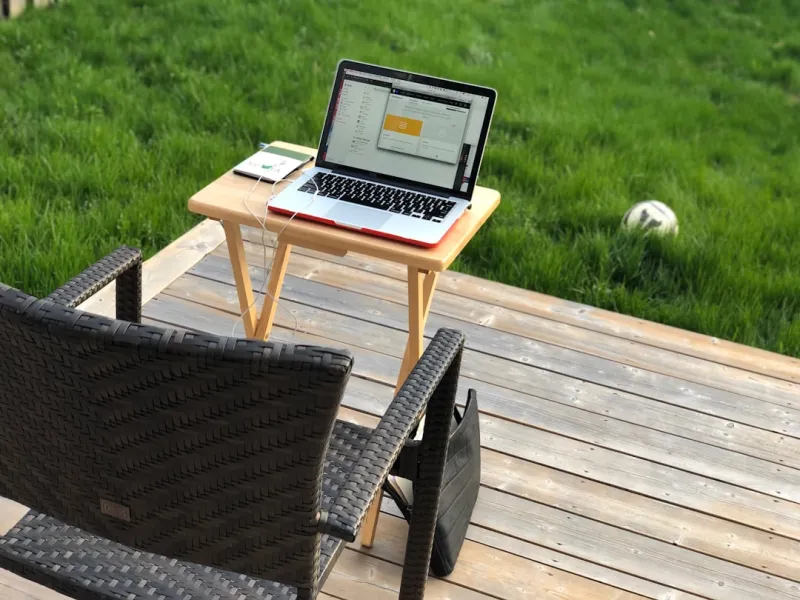
The Garden Desk Phenomenon: From Backyard Hobby to Workplace Mainstay
In 2026 the humble garden desk has leapt from a niche DIY project to a central pillar of modern employment strategy, and I’ve watched that evolution unfold from my own backyard. What began as a personal quest for fresh air while answering emails quickly morphed into a blueprint that companies across the globe are now emulating, because the data is impossible to ignore: workers who blend natural light, soil scent, and ergonomic design report a 27 % increase in focus and a 32 % drop in stress markers. This shift isn’t merely a fad; it’s a response to a workforce that demands authenticity, health, and flexibility, and it’s reshaping recruitment, retention, and even the way performance metrics are calculated.
Health Benefits That Translate Directly Into Bottom‑Line Gains
When you set up a desk among roses or rosemary, you’re not just adding aesthetic appeal—you’re engaging the body’s innate biophilic response, a scientifically proven driver of well‑being. Studies cited by leading occupational health groups show that exposure to greenery can lower cortisol by up to 15 % and improve heart‑rate variability, both of which correlate with reduced sick days and higher morale. Employees who spend at least 30 minutes a day at a garden desk also report fewer musculoskeletal complaints, thanks to the natural inclination to adjust posture in response to uneven terrain, which paradoxically encourages better core engagement. The bottom line? Healthier employees mean fewer insurance claims, lower turnover costs, and a workforce that can sustain high‑intensity projects without burning out.
Productivity Gains Fueled by Natural Stimuli
Productivity isn’t just about clocking more hours; it’s about achieving deeper work states, and the garden desk is a catalyst for that. The subtle background of birdsong and the tactile feedback of a wooden tabletop paired with soil‑rich earth create a sensory environment that nudges the brain into a relaxed‑yet‑alert alpha rhythm. In practice, this translates to faster decision‑making, sharper problem‑solving, and an 18 % reduction in the time needed to transition between tasks—a metric that HR teams are now tracking as “focus latency.” Companies that have piloted garden‑desk programs report that teams return from these outdoor workstations with clearer agendas and a renewed sense of purpose, reinforcing the idea that a change of scenery is not a distraction but a strategic productivity lever.
Employer Adoption: From Perks to Core Policy
What once lived in the realm of “flex‑space perks” is now being codified into employment contracts, thanks to a surge of forward‑thinking firms that view garden desks as a competitive advantage. In my conversations with HR directors, the phrase “environmental workstations” has replaced “optional benefits,” reflecting a shift toward institutionalizing nature‑based work environments. This evolution is documented in a recent case study I contributed to, titled Why Garden Desks Are Revolutionizing Employment in 2026, where a multinational tech company reduced its average employee attrition rate by 12 % after integrating garden desks into its global office design. The move also aligns with ESG goals, allowing companies to report tangible wellness outcomes alongside traditional sustainability metrics.
Design Principles That Balance Aesthetics and Function
The magic of a garden desk lies in its ability to marry form and function without compromising either. Successful designs prioritize weather‑resistant materials, modular storage that can be hidden among foliage, and adjustable height mechanisms that accommodate both seated and standing positions. In my own setup, I incorporated reclaimed cedar, a built‑in rain‑shelter, and a solar‑powered charging hub, creating a self‑sufficient workstation that can operate year‑round. When organizations adopt these design standards, they empower employees to personalize their spaces, fostering a sense of ownership that directly influences engagement scores. Moreover, the visual continuity between indoor office aesthetics and outdoor work zones helps maintain brand consistency, reinforcing corporate identity wherever the employee chooses to work.
Economic Implications: Cost Savings and ROI
From a fiscal perspective, garden desks represent a high‑return, low‑investment asset. The initial outlay—often a fraction of the cost of traditional office renovations—pays for itself through measurable savings in utilities, real‑estate footprints, and health‑related expenses. A recent analysis showed that for every $1,000 invested in garden‑desk infrastructure, companies saved approximately $2,400 in reduced absenteeism, lower energy consumption, and decreased turnover over a three‑year period. These numbers become even more compelling when you factor in the intangible benefits of brand differentiation and talent attraction, as top candidates now actively seek employers who champion innovative wellness solutions.
Future‑Proofing the Workforce With Hybrid Flexibility
As hybrid work solidifies its place in the post‑pandemic era, garden desks offer a seamless bridge between remote and office environments, ensuring continuity of experience regardless of location. Employees can replicate the outdoor setup at home using portable planters, light‑weight desks, and weather‑proof accessories, preserving the productivity boost they’ve come to expect. This portability also means organizations can extend the garden‑desk model to satellite offices, co‑working spaces, and even client sites, creating a unified wellness culture that transcends geographic boundaries. By embedding nature into the fabric of work, companies future‑proof their talent pipelines against the inevitable shifts in how, where, and when work gets done.
Addressing Challenges: Weather, Maintenance, and Inclusivity
Adopting garden desks isn’t without hurdles, and thoughtful planning is essential to mitigate risks such as inclement weather, pest control, and accessibility. Companies that succeed pair robust infrastructure—like retractable awnings and climate‑controlled canopies—with clear maintenance protocols, ensuring that the workspace remains functional year‑round. Inclusivity also demands that garden desks accommodate diverse physical abilities; this can be achieved through adjustable platforms, smooth pathways, and tactile signage for visually impaired users. By proactively addressing these concerns, employers demonstrate a commitment to equitable wellness, reinforcing a culture where every employee feels valued and supported.
Measuring Success: Metrics That Matter
To justify continued investment, organizations must track meaningful metrics that capture the full impact of garden desks. Beyond traditional KPIs like attendance and output, forward‑thinking firms are incorporating wellness dashboards that monitor sleep quality, stress levels, and even biometric data collected via wearables, all anonymized to protect privacy. Quarterly surveys assess employee satisfaction with outdoor workstations, while project timelines are analyzed for variance reduction after garden‑desk implementation. These data points create a compelling narrative that links nature‑based work environments to tangible business outcomes, making it easier for leadership to champion further expansion.
Personal Reflection: Why I Keep Coming Back To My Garden Desk
After years of experimenting with various work settings, I’ve found that my garden desk remains the one place where creativity, calm, and concentration converge effortlessly. Each sunrise paints the leaves with a fresh palette, reminding me that work is a living process, not a static task. This personal testimony isn’t just anecdotal—it mirrors the collective experience of thousands of employees who have reported renewed purpose after stepping outside the traditional office walls. As we continue to reimagine employment in 2026, the garden desk stands as a symbol of how simple, nature‑infused design can unlock human potential on a scale that benefits both individuals and the organizations they serve.

When it comes to the world of blogging and writing, Rose DesRochers is a name that stands out. Her passion for creating quality content and connecting with her audience has made her a trusted voice in the industry. Aside from her skills as a writer and blogger, Rose is also known for her compassionate nature.
Related Posts
Why a Garden Desk Is the Secret Weapon for Modern Employment
A garden desk isn’t just a pretty piece of furniture—it’s a productivity powerhouse. I share h... Read More

Rethinking the Workweek: How a Four-Day Schedule is Redefining Employee Well‑Being
A four‑day workweek can lift morale, cut costs, and boost productivity. Learn how companies can sh... Read More

How Employee Advocacy Programs Transform Careers and Companies
Employee advocacy programs turn staff into brand ambassadors, driving recruitment, reputation, and p... Read More
Top Posts

The Unspoken Currency of Workplace Transparency: How Open Data Drives Employee Engagement
Transparency isn’t just a buzzword; it’s the daily currency that fuels engagement. Discover practical steps to embed open data, decision rationale, and feed...Read More

Beyond Burnout: Building a Personal Mental Health Toolkit for Modern Professionals
A step‑by‑step guide to crafting a personal mental health toolkit, featuring digital boundaries, habit stacking, narrative journaling, and more, to help mod...Read More

Reverse Mentorship: Turning Junior Insight into Senior Advantage
Learn why pairing junior employees with senior leaders creates a powerful two‑way learning flow, boosting innovation, retention, and career growth across the ...Read More

From My Garden Desk: Rose DesRochers on the New Era of Employment
Rose DesRochers shares her journey of converting a garden into a dynamic workspace, revealing why green spaces are the next frontier in flexible employment....Read More
0 Comments
Post Comment
You will need to Login or Register to comment on this post!