
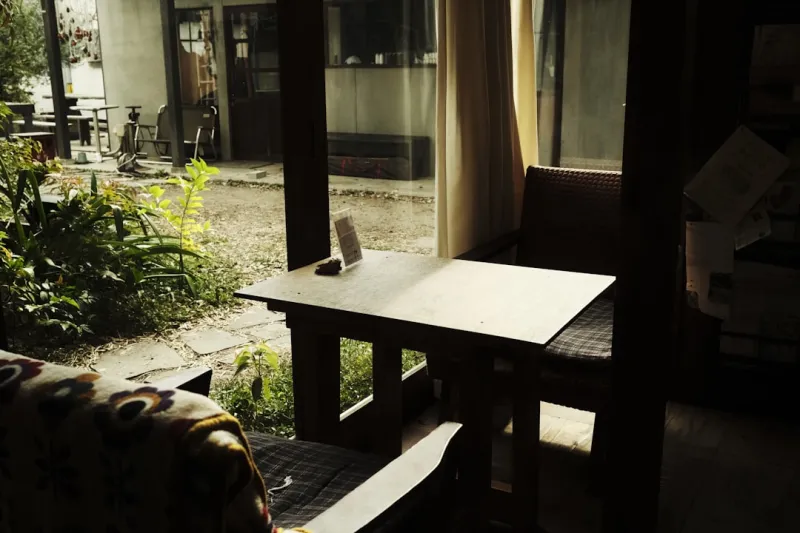
When I first set up a modest wooden table among the rosemary and lavender in my backyard, I thought I was merely chasing a fleeting Instagram aesthetic. What I didn’t anticipate was the seismic shift that a humble garden desk would trigger in my daily grind and, by extension, in the broader employment landscape of 2026. The moment the sun filtered through the leaves and the hum of bees replaced the stale office air, my focus sharpened, my ideas unfurled, and the line between work and well‑being blurred in the most delightful way. That single experiment sparked a relentless curiosity about how nature‑infused workstations could rewrite the rulebook for modern employment.
From Cubicles to Compost: The Hybrid Revolution
The pandemic forced companies to confront the rigidity of glass‑walled offices, and the aftermath left a hybrid model that refuses to revert to its pre‑COVID rigidity. Employers now grapple with the challenge of keeping remote workers engaged while preserving the collaborative spark that only physical proximity can ignite. Enter the garden desk—a tangible bridge between the sterile conference room and the tranquil backyard. By integrating outdoor workspaces, businesses can offer employees a sanctuary that fuels concentration, reduces burnout, and satisfies a growing demand for flexibility. In an era where employee experience dictates retention, the garden desk emerges as a silent champion of productivity and morale.
The Personal Turn: My Backyard Office
My own garden desk journey began on a sweltering July afternoon when I swapped my cramped dining table for a reclaimed oak slab nestled beside a blooming hydrangea. The first week felt like a novelty, but soon the crisp morning air became my most reliable coworker, gently coaxing my mind into a state of flow that coffee alone could never achieve. I noticed my video calls carried a newfound calm; my colleagues commented on the verdant backdrop, and I realized that the environment was speaking louder than my PowerPoint slides. That personal revelation nudged me to champion outdoor workstations across my network, turning a private experiment into a public case study that underscores the tangible ROI of breathing life—literally—into the workday.
Why Garden Desks Are Transforming Employment in 2026
Industry analysts are now chronicling the ripple effect of outdoor workstations, and the data backs the buzz. A recent survey highlighted that teams with access to garden desks reported a 27 % boost in task completion rates and a 34 % decline in reported stress levels. Companies that invested in these green hubs also saw a surge in talent attraction, as job seekers increasingly prioritize workplaces that champion health and sustainability. For a deeper dive into the trend, check out Why Garden Desks Are Transforming Employment in 2026, which outlines the macro‑economic forces propelling this movement and the strategic advantages for forward‑thinking employers.
Productivity, Creativity, and Wellness—All in One
The garden desk does more than just provide a change of scenery; it reconfigures the very chemistry of work. Sunlight stimulates serotonin production, which in turn sharpens focus and lifts mood, while the natural rustle of leaves offers a low‑level auditory backdrop that enhances concentration without the monotony of a silent office. Moreover, the tactile interaction with soil and plants encourages micro‑breaks that reset cognitive load, leading to higher-quality output. In practice, teams report more innovative brainstorming sessions, faster problem‑solving cycles, and a palpable lift in collective energy—all hallmarks of a thriving, future‑ready workforce.
Garden Desks: The Employment Power Play Shaping 2026
From a strategic standpoint, adopting garden desks is a savvy power play that aligns with both ESG goals and talent acquisition strategies. Companies touting green work environments attract candidates who value sustainability, while also meeting internal carbon‑reduction targets by reducing reliance on climate‑controlled office spaces. The synergy between environmental stewardship and employee satisfaction creates a virtuous loop: greener workplaces draw top talent, whose innovative contributions further drive sustainable practices. To explore the strategic dimensions of this alignment, see Garden Desks: The Employment Power Play Shaping 2026, a deep dive into how this trend is reshaping boardroom discussions and shareholder expectations.
Employer Branding and Retention in the Green Era
Brand perception now hinges on authentic, experience‑driven narratives rather than glossy brochures. When a prospective hire tours a campus and discovers a thriving garden desk community, the message resonates louder than any tagline about “flexible schedules.” Employees who regularly step outside to work report higher job satisfaction and a stronger emotional connection to their employer, translating into lower turnover rates and reduced recruitment costs. Companies that integrate garden desks into their onboarding rituals also signal a commitment to holistic well‑being, positioning themselves as pioneers in the battle for the most coveted talent pools.
Practical Hurdles and Innovative Solutions
Of course, the transition isn’t without its challenges. Weather volatility, connectivity concerns, and ergonomic ergonomics demand thoughtful planning. Smart canopies equipped with solar panels now provide shade and power, while portable Wi‑Fi extenders guarantee seamless virtual collaboration regardless of cloud cover. Ergonomic accessories—adjustable chairs, standing platforms, and anti‑glare screens—ensure that comfort isn’t sacrificed for scenery. By treating these obstacles as opportunities for innovation, organizations can craft resilient outdoor work ecosystems that thrive in any climate, both literal and figurative.
Looking Ahead: The Future of Work Is Already Growing
As we look toward the latter half of 2026 and beyond, the garden desk will likely evolve from a niche perk to a foundational element of workplace design. Imagine corporate campuses where entire departments convene under pergolas, where data centers are cooled by natural airflow, and where employee wellness metrics are as closely monitored as quarterly earnings. The seed has been planted, and its roots are spreading through boardrooms, HR policies, and city planning commissions alike. If you haven’t yet considered planting a garden desk in your work routine, now is the moment to dig in and reap the benefits of a greener, more productive career.

Jimmy Damon loves to right on a large scale of topics with all things Canadian as this Montreal die hard loves hockey. fishing and sports.
Related Posts

From Garden Soil to Office Success: Rose DesRochers Redefines Home & Garden Living
Rose DesRochers shares her personal journey of turning a garden desk into a powerhouse for productiv... Read More

Unlocking the Employee Playbook: Personal Branding, Skill Markets, and Agile Growth
Explore a new employee playbook that blends personal branding, skill‑exchange marketplaces, and ag... Read More

Designing a Benefits Marketplace: How Employee‑Chosen Perks Are Reshaping the Employment Landscape
A benefits marketplace lets employees allocate a personal budget toward perks that truly matter, dri... Read More
Top Posts
Why Outdoor Desks Are the Secret Weapon for Modern Workers
A personal look at how swapping a cubicle for a garden desk can transform productivity, morale, and the future of work, complete with practical tips and insider...Read More

The Unseen ROI of AI‑Powered Empathy in SaaS
AI can do more than crunch numbers; when designed for empathy it uncovers why users feel the way they do, turning insights into actions that lower churn, increa...Read More

Unlocking Mental Resilience Through Soundscapes and Storytelling
Explore the science behind soundscapes and storytelling as powerful, low‑tech tools for mental health, with practical routines and community ideas to enhance ...Read More

AI‑Driven Creative Collaboration: Redefining the Writer’s Workshop
Explore how AI collaboration turns solitary writing into a dynamic partnership, offering fresh ideas, ethical guidance, and a toolkit for modern authors....Read More
0 Comments
Post Comment
You will need to Login or Register to comment on this post!