

Why Your Evening Routine Needs a Clock, Not Just a Candle
When the workday finally releases its grip, most of us rush into a quick shower, a splash of cleanser, and a handful of moisturizers before we collapse into bed. It feels efficient, but the truth is that our bodies operate on a precise 24‑hour schedule that most of us ignore. By aligning our nighttime personal‑care practices with our circadian rhythm, we can unlock clearer complexion, steadier mood, and deeper sleep—all without adding extra minutes to our schedule.
The Science Behind the Night‑Shift Body
Our internal clocks are controlled by a master pacemaker in the brain called the suprachiasmatic nucleus. It receives light cues from our eyes and orchestrates hormone release, body temperature, and cellular repair. When we expose ourselves to bright screens or harsh artificial lighting after dusk, we send mixed messages that delay melatonin production, the hormone responsible for signaling that it’s time to wind down.
Two critical processes happen while we sleep:
- Cellular regeneration: The body shifts into a repair mode, fixing DNA damage, rebuilding barrier function, and balancing moisture levels across the face and body.
- Hormonal balance: Levels of cortisol (the stress hormone) drop, while growth hormone peaks, supporting tissue renewal and collagen synthesis.
If our nighttime routine disrupts these processes, we may notice increased redness, oiliness, or a dull complexion the next morning. The solution isn’t a new product line; it’s a rhythmic approach that respects the body’s natural timetable.
Step‑by‑Step: Building a Rhythm‑Based Evening Ritual
Below is a practical, low‑tech framework that can be customized to any lifestyle. The focus is on timing, environment, and simple actions that amplify the body’s own repair mechanisms.
1. Dim the Lights at Least One Hour Before Bed
Replace bright overhead bulbs with warm, low‑intensity lamps. If you rely on a phone or laptop, activate built‑in night modes or use screen‑filter apps that shift the spectrum toward amber. This gentle lighting cue tells the brain it’s nearing rest time, nudging melatonin production back on schedule.
2. Implement a “Digital Curfew”
Set a hard stop for all screens—phones, tablets, TVs—about 60‑90 minutes before you plan to sleep. If you need to stay connected, consider a dedicated “offline” device that only shows essential notifications without the visual overload of a full‑color display.
3. Adjust Your Bathroom Temperature
Warm water relaxes muscles but can also raise skin temperature too high, which may interfere with the cooling phase that signals sleep onset. Aim for a lukewarm shower (around 98°F/37°C). Follow with a brief cool rinse to lower skin surface temperature, which helps trigger the body’s natural cooling signal.
4. Choose Ingredients That Support Nighttime Repair
Look for products that contain peptides, ceramides, and antioxidants that work best when the body is in repair mode. Apply them while the skin is still slightly damp from your rinse—this traps moisture and allows active ingredients to penetrate more efficiently.
5. Add a Gentle, Breath‑Based Pause
Before you head to bed, spend two minutes practicing a slow, diaphragmatic breath. Inhale for four counts, hold for two, exhale for six. This simple rhythm helps lower heart rate, reduces lingering cortisol, and primes the nervous system for restorative sleep.
6. Incorporate Light‑Therapy Elements
If you struggle with waking up groggy, consider a sunrise alarm lamp that gradually brightens your bedroom in the morning. This mimics the natural sunrise and helps reset your internal clock without the jolt of a traditional alarm.
7. Optimize Your Pillow and Bedding
Materials that regulate temperature—such as breathable cotton or linen—prevent overheating, which can disturb the sleep cycle. Additionally, a pillow with a slight elevation can improve airway openness, reducing snoring and improving oxygen flow during deep sleep phases.
Technology Meets Tradition: Smart Mirrors and Aroma
While the core of this routine is low‑tech, integrating subtle tech can enhance consistency. A smart mirror can track skin hydration levels each night, reminding you when you’ve missed a step. Pair this with a low‑level aroma diffuser that releases calming essential oils (like lavender or chamomile) at the same time each evening, reinforcing the habit loop.
The key is to keep the technology as a quiet facilitator, not a distraction. Turn off notifications on the mirror, and set it to a “quiet mode” that only displays essential data.
Case Study: From Exhausted to Radiant in Six Weeks
One of our readers, a senior project manager juggling global calls, reported chronic fatigue and a persistent “post‑lunch” break‑out. After adopting the rhythm‑based ritual described above, she observed the following changes over six weeks:
- Reduced evening break‑outs by 70%.
- Woke up feeling refreshed three days per week, up from one.
- Noted a subtle lift in overall complexion, describing it as “a natural glow.”
She credited the biggest shift to the digital curfew and the consistent temperature management in her bathroom. The addition of a smart mirror helped her stay accountable without the need for extra mental bandwidth.
Bridging the Gap: Why This Matters for Professionals
In high‑performance environments, personal appearance often feels like a side effect of productivity, not a driver of it. However, a well‑rested, balanced complexion can boost confidence, reduce self‑consciousness during video calls, and improve overall mental clarity. By treating the evening routine as a strategic, timed practice—much like a project milestone—you create a predictable foundation that supports the rest of your day.
Integrating with Existing Wellness Practices
If you already practice mindfulness, yoga, or other forms of self‑care, simply slot this rhythm‑based routine before or after those sessions. For example:
- Finish a 15‑minute yoga flow, then move directly into the dim‑light shower.
- After a meditation, transition into the breath‑pause step to cement the relaxation response.
The synergy between these practices amplifies the benefits of each, creating a compound effect on both physical appearance and mental resilience.
Future Outlook: The Rise of Chrono‑Personal Care
As more research uncovers the links between circadian biology and skin health, we’ll likely see a wave of products and services built around “chrono‑personal care.” Expect to see:
- Night‑specific formulas that activate only under low‑light conditions.
- Wearable devices that monitor skin temperature and suggest optimal product application times.
- Apps that sync your evening lighting, temperature, and scent to a single schedule.
For now, the most powerful tool remains a simple, disciplined routine that respects your body’s internal clock.
Take the First Step Tonight
Pick one element from the list—perhaps dimming the lights at 8 p.m. or setting a digital curfew—and commit to it for the next three nights. Observe how your skin feels in the morning and note any changes in sleep quality. Small, consistent adjustments compound into noticeable improvements, proving that the best personal‑care upgrades don’t always require the newest gadget, but rather a deeper alignment with the rhythms we’re born with.
Further Reading
For readers interested in how multisensory cues can enhance personal care, check out our piece on crafting a multisensory personal‑care routine for the modern professional. It offers additional ideas on integrating sound and aroma to create a holistic evening experience.
Want to explore data‑driven approaches for when you’re ready to take the next step? Our article on data‑driven skincare for a smarter routine delves into how technology can complement the rhythm‑based strategies outlined here.

Mei Chen is a dynamic professional who brings a unique blend of skills to Blogging Fusion. As a key contributor to the Blogging Fusion platform, she leverages her writing expertise to create engaging content that resonates with our audience.
Related Posts
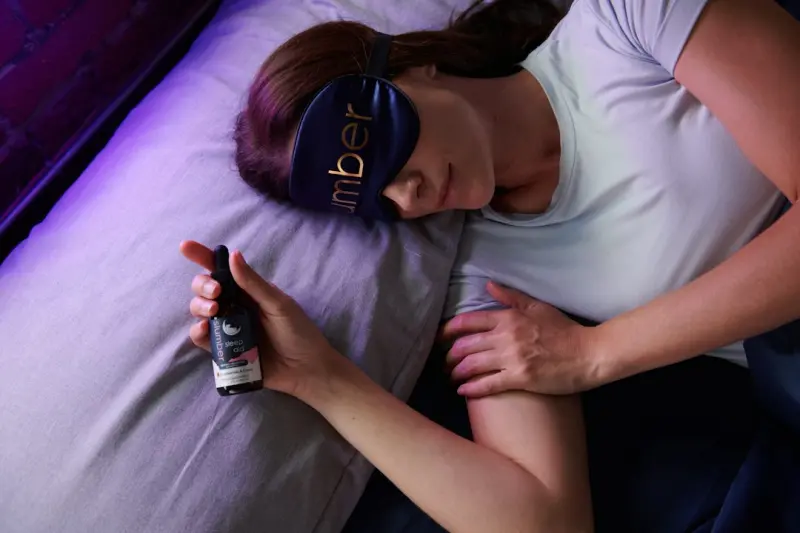
Night‑Time Skincare Meets Wearable Tech: A New Frontier
A data‑driven night‑time skincare routine that blends wearable insights, optimal environment, an... Read More

Reimagining Daily Personal Care: Tiny Rituals for Big Well‑Being
Learn how to transform everyday personal care tasks into intentional, sensory‑rich rituals that ca... Read More
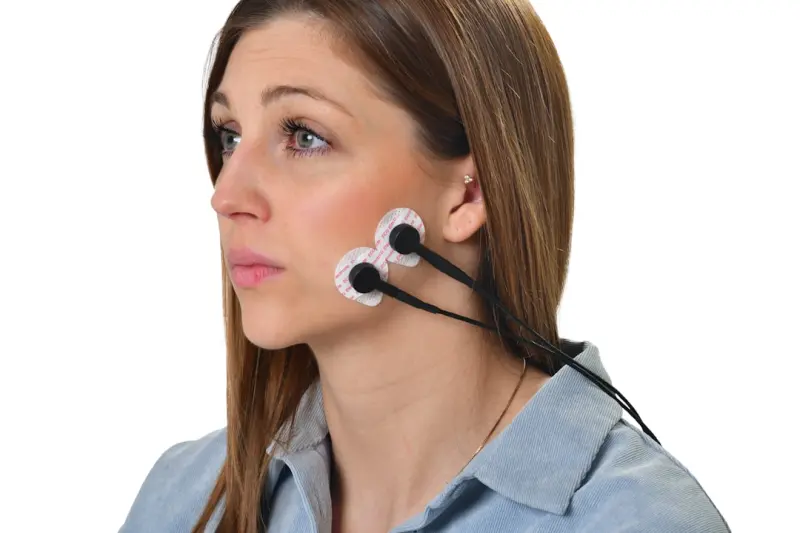
How Biofeedback is Redefining Personal Care
Biofeedback devices now let you read your skin’s signals in real time, turning guesswork into a pr... Read More
Top Posts

The Healing Power of Laughter: Turning Everyday Humor into Health Benefits
Explore the science behind why laughter boosts immunity, reduces stress, and protects heart health, and learn actionable ways to make humor a daily health habit...Read More

When AI Becomes Your Creative Partner: A New Playbook for Business Innovation
Discover a fresh approach to AI that transforms it from a mere assistant into a co‑creator, unlocking richer ideas, ethical safeguards, and measurable impact ...Read More

Reclaiming Play: How Adult Fun Fuels Mental Well‑Being
Discover why integrating playful activities into daily routines can rewire the brain, improve mood, and enhance productivity, offering a fresh, science‑backed...Read More
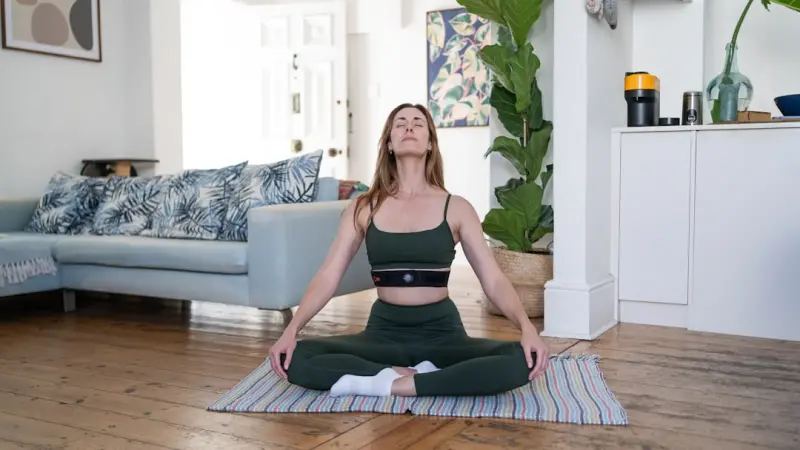
Why Your Breath Holds the Key to Everyday Vitality
A practical guide to harnessing breathwork for stress reduction, better sleep, and daily vitality, featuring easy techniques, integration tips, and measurable b...Read More
0 Comments
Post Comment
You will need to Login or Register to comment on this post!