
When I first started mapping out my morning routine, I treated it like a checklist: brush teeth, wash face, apply moisturizer. It worked, but it felt mechanical—like I was running through a script written for a robot, not a human being. A few months ago, a conversation with a friend about how “tiny habits” can reshape our entire day sparked a shift. I began to view personal care not just as a series of tasks, but as a series of intentional, sensory‑rich moments that can quietly recalibrate my nervous system, boost my mood, and even sharpen my focus.
Why Personal Care Deserves a Narrative, Not Just a Checklist
Personal care is often relegated to the background of our lives, something we do because we have to, not because we truly want to. Yet the reality is that our bodies and brains are exquisitely sensitive to the quality of the stimuli we feed them daily. A splash of cool water, the scent of citrus, the gentle pressure of a massage roller—each of these tiny inputs can cascade into larger physiological changes. When we treat these inputs as intentional “micro‑rituals,” they become narrative threads that weave a story of self‑respect and resilience throughout the day.
1. Start With a Sensory Reset: The Power of Breath‑Infused Water
Before you even turn on the faucet, pause for a moment. Inhale deeply through your nose, imagining you’re breathing in clean, fresh air. As you exhale, visualize the water you’re about to use as a conduit for that breath—purifying your body from the inside out. This simple act of mindful breathing before splashing your face can trigger the parasympathetic nervous system, lowering cortisol and setting a calm tone for everything that follows.
To enhance this, try adding a few drops of essential oil (lavender for relaxation, peppermint for invigoration) or a slice of cucumber. The scent compounds travel directly to the olfactory bulb, a brain region linked to emotion and memory, amplifying the calming effect.
2. The “Touch‑First” Skincare Philosophy
Most of us slap on serums and creams without paying attention to how they feel on our skin. The structured daydreaming movement taught me that a brief mental pause can boost creativity; similarly, a “touch‑first” approach can amplify the benefits of skincare.
Start by warming the product between your palms for a few seconds. This not only improves absorption but also creates a gentle heat that signals your skin to welcome the nutrients. As you apply, use slow, upward strokes, pausing at each point for a second or two to truly feel the texture. This tactile mindfulness can improve blood flow, encourage lymphatic drainage, and turn a mundane routine into a mini‑massage.
3. Incorporate Micro‑Movement Breaks Throughout the Day
Our bodies crave movement, yet most personal care routines are static. Introducing micro‑movement—tiny stretches, neck rolls, or even a 30‑second calf raise—can prevent the stiffness that often accumulates from sitting at a desk for hours. These brief bursts also stimulate the release of endorphins, naturally elevating mood.
Think of these as the playful breaks that many high‑performers swear by. By pairing a quick stretch with a breath‑in‑and‑out ritual, you create a compound effect: physical looseness plus mental clarity.
4. Reframe Your Oral Care as an Oral Spa
Brushing your teeth can be transformed from a chore into a moment of indulgence. Choose a toothbrush with soft, rounded bristles that feel like a gentle brush against a canvas. Pair it with a fluoride‑free, naturally flavored toothpaste (think spearmint or clove) and a tongue scraper for a comprehensive clean.
While you brush, imagine each stroke sweeping away not only plaque but also mental clutter. The rhythmic motion, combined with the fresh taste, can act as a mini‑reset button for your brain, especially after a stressful meeting or a long virtual call.
5. The Art of Layered Hydration
Hydration isn’t limited to drinking water; it also involves how we moisturize our skin. Think of hydration as a layered approach, similar to dressing in layers for the weather. Begin with a hydrating toner or essence—a watery formula that preps the skin. Follow with a lightweight serum rich in hyaluronic acid, which draws moisture into the skin cells. Finally, seal everything in with a moisturizer that contains ceramides, locking in the hydration for hours.
Each layer should be applied with a gentle patting motion, not rubbing. The patting encourages the skin’s natural “pump” mechanism, ensuring deeper penetration of the product.
6. Sustainable Personal Care: The Zero‑Waste Bathroom
Personal care is also an opportunity to align with broader values like sustainability. Swapping single‑use plastic containers for refillable glass bottles, using a bamboo toothbrush, or opting for shampoo bars can reduce waste dramatically. The act of consciously choosing these alternatives reinforces a sense of purpose, which can be just as rewarding as the physical benefits of the products themselves.
When you see a bamboo toothbrush on your sink, you’re reminded of the planet you’re caring for—an extra layer of meaning that adds depth to your routine.
7. The Nighttime “Wind‑Down” Ritual: Beyond the Face Mask
Evening routines often end with a face mask, but the night holds a whole suite of senses that can be nurtured before sleep. Dim the lights, light a scented candle (lavender, chamomile, or sandalwood work well), and play soft ambient sounds—perhaps a gentle rain or distant ocean waves.
While you let the mask work, spend a few minutes journaling or simply listing three things you’re grateful for. This practice signals to your brain that the day is ending on a positive note, making it easier to transition into restful sleep.
8. Harnessing the Power of Temperature Contrast
Temperature is a surprisingly powerful tool in personal care. Alternating between warm and cool water at the end of a shower can improve circulation and give a natural “wake‑up” boost to the skin. For a quick version, finish your facial cleansing routine with a splash of cool water—this helps tighten pores and reduces puffiness.
For those who love the invigorating feeling of a cold shower, try the “30‑second shock”: after your regular warm shower, turn the water cold for the last 30 seconds. The brief exposure triggers a surge of norepinephrine, a hormone linked to heightened alertness and focus.
9. Personal Care as a Tool for Cognitive Reset
Every time we pause to care for our bodies, we give the brain a chance to reset. This is especially valuable in high‑stress environments where mental fatigue can creep in unnoticed. By deliberately spacing out personal care moments—morning, mid‑day, and evening—you create three natural “cognitive pit stops” that can improve overall productivity and creativity.
In fact, research shows that short, intentional pauses can boost problem‑solving abilities, a principle that dovetails nicely with the concept of structured daydreaming. The key is consistency; the more you integrate these micro‑rituals, the more your brain learns to anticipate and benefit from them.
10. Personalizing the Routine: The “Signature” Sensory Profile
No two people respond identically to the same scent, texture, or temperature. Take time to experiment and discover your personal “sensory signature.” Keep a simple log: note the aroma, texture, temperature, and your mood before and after each personal care session. Over weeks, patterns emerge—perhaps you feel most energized after a citrusy shower, or most relaxed after a lavender‑infused night routine.
Once you identify these patterns, you can curate a routine that consistently triggers the desired emotional state, turning personal care into a personalized neuro‑enhancement toolkit.
Putting It All Together: A Sample Day of Intentional Personal Care
- Morning (7:00 am): Breath‑infused water splash, “touch‑first” skincare with warm product, 30‑second calf raises.
- Mid‑Morning (10:30 am): Micro‑movement break—neck rolls and a quick sip of citrus‑infused water.
- Afternoon (1:00 pm): Lunch break includes a short oral spa—tongue scraping, mindful brushing, and a gratitude note.
- Late Afternoon (4:00 pm): Playful break—10‑minute walk with a scented hand lotion, followed by a quick facial mist.
- Evening (8:30 pm): Night wind‑down—dim lights, scented candle, ambient rain sounds, face mask, journal gratitude list, cool water splash to close.
This schedule isn’t rigid; it’s a scaffold you can adapt. The goal is to embed intentional sensory cues that support both physical well‑being and mental clarity.
Final Thoughts: Personal Care as a Quiet Revolution
When we elevate personal care from a series of chores to a curated collection of sensory experiences, we unlock a quiet revolution within ourselves. Each mindful breath, each deliberate touch, each consciously chosen scent becomes a small act of rebellion against a culture that glorifies speed over presence. Over time, these tiny acts compound, reshaping not just how we look, but how we think, feel, and engage with the world.
If you’ve been treating personal care as background noise, I invite you to flip the script. Start small—pick one of the ideas above, experiment, and observe the ripple effect on your day. You might be surprised at how a seemingly minor shift can create a cascade of positive change.

Lauren Miller is a true outdoors enthusiast who has found her passion in the trades. When she's not working hard on the job, you can find her writing, camping, fishing, and exploring all that nature has to offer. A dedicated partner to her wife Beth, Lauren loves nothing more than spending quality time together and experiencing the great outdoors side by side.
Related Posts
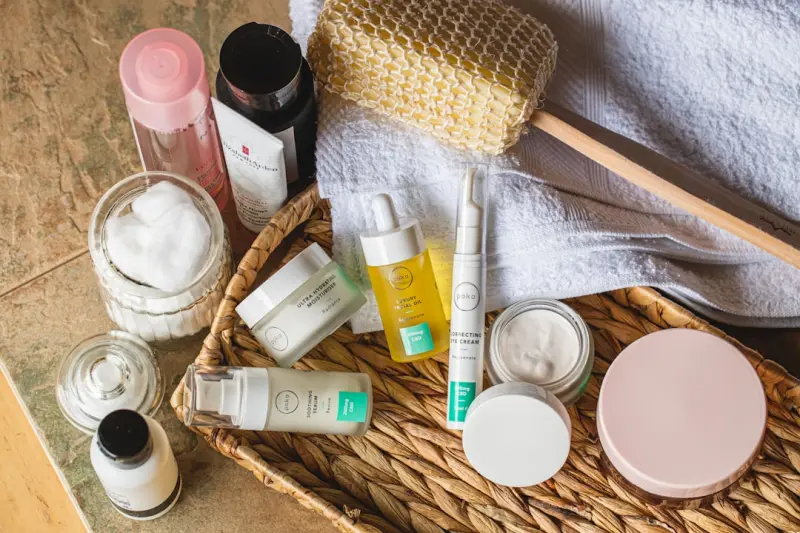
Crafting a Conscious Personal Care Routine
Learn to turn everyday personal care into a sensory celebration with DIY skincare, zero‑waste swap... Read More
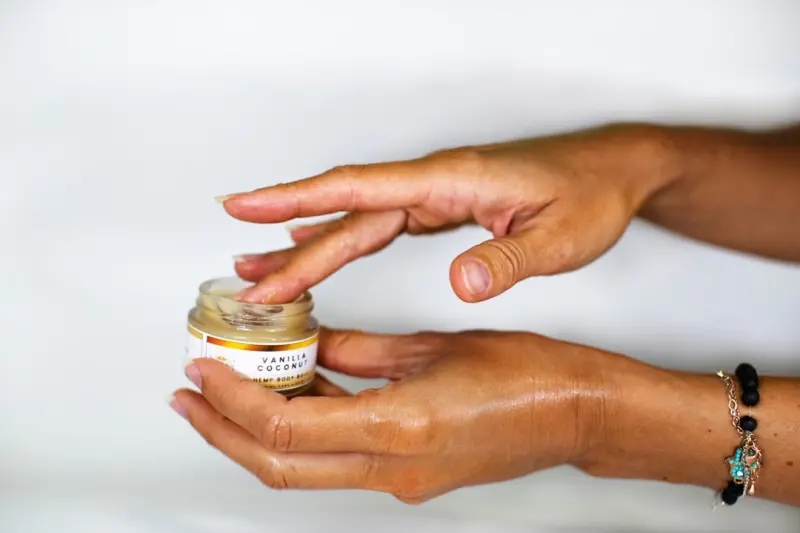
The Transformative Power of Hand‑Crafted Body Scrubs
Explore the benefits of homemade body scrubs, from ingredient basics to sensory rituals, and learn h... Read More

AI Meets Skincare: Crafting a Data‑Driven Personal Care Routine
Discover how to upgrade your grooming routine with AI skin scans, virtual dermatologist consultation... Read More
Top Posts

Beyond the Tourist Trail: Finding Hidden Communities Through Homestay Swaps
Explore the transformative power of homestay swaps—bilateral hosting that immerses travelers in local life, builds trust networks, and reveals hidden communit...Read More

Intentional Digital Disconnection: Reclaiming Mental Space in a Hyperconnected World
Explore a practical framework for intentional digital disconnection, showing how setting attention buffers, leveraging AI tools, and creating screen‑free zone...Read More

Flavor Trails: Crafting a Culinary Road Trip Across the Country
Explore a fresh travel angle: use food as your compass, plan seasonal stops, and create portable kitchen moments for an unforgettable culinary road trip....Read More
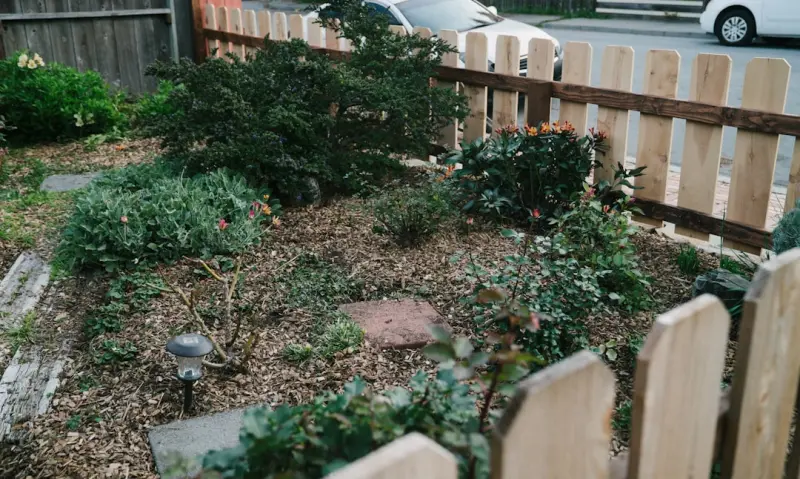
Smart Backyard Makeover: Turning Your Garden into a Connected Eco‑Hub
Learn to upgrade your garden into a smart, eco‑friendly space using soil sensors, weather‑aware irrigation, solar power, and modular design—creating a low...Read More
0 Comments
Post Comment
You will need to Login or Register to comment on this post!