
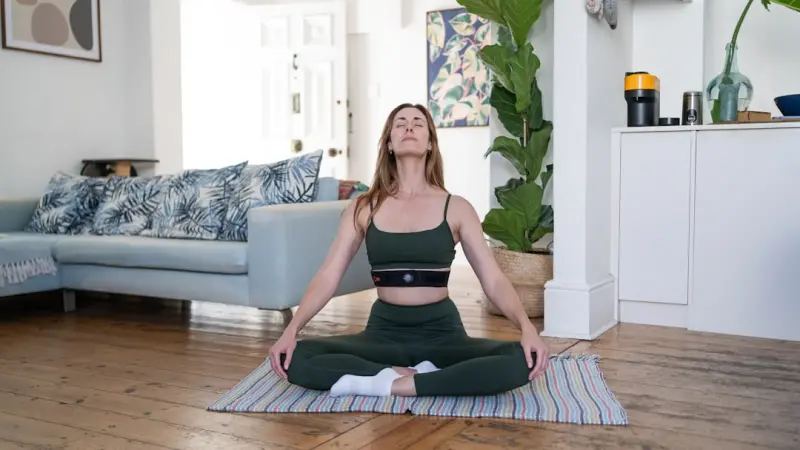
Finding Freedom in the Air: How Simple Breathwork Can Transform Everyday Health
When I first stumbled upon a quiet corner of my living room and decided to spend just five minutes focusing on my breath, I didn’t expect the ripple effect it would have on my entire day. As a lifelong advocate for holistic well‑being, I’ve experimented with everything from garden therapy to structured daydreaming. Yet, the most profound shift came not from a new gadget or a sprawling hobby, but from the simplest tool we all carry: the breath.
In a world that constantly pushes us to do more, achieve more, and stay constantly “on,” the act of breathing often becomes a background process—a function we barely notice. But what if I told you that by intentionally shaping that background noise, you could lower stress, sharpen focus, enhance immunity, and even improve sleep quality? Below, I’ll walk you through the science, practical techniques, and daily rituals that make breathwork a cornerstone of modern health.
The Science Behind the Inhale‑Exhale Cycle
Breathing is unique among bodily functions because it is both autonomic (it happens without conscious effort) and voluntary (we can choose to control it). This dual nature gives us a direct line of communication between the nervous system and the brain. When we engage in purposeful breathing, we tap into the parasympathetic branch of the autonomic nervous system, the “rest‑and‑digest” mode that counteracts the stress‑inducing sympathetic response.
- CO₂ Regulation: Controlled exhalations increase carbon dioxide levels in the blood, which helps dilate blood vessels and improve oxygen delivery to cells.
- Heart Rate Variability (HRV): Breathwork boosts HRV, a metric linked to resilience, emotional regulation, and even longevity.
- Neurotransmitter Balance: Slow, rhythmic breathing stimulates the release of serotonin and GABA, natural mood‑stabilizers that reduce anxiety.
- Immune Modulation: Studies show that diaphragmatic breathing can lower cortisol, a hormone that, in excess, suppresses immune function.
In short, the simple act of breathing deliberately can reset the body’s stress response, enhance cellular oxygenation, and create a cascade of benefits that ripple throughout our daily lives.
Three Breathwork Techniques to Try Right Now
Below are three evidence‑backed practices that require no equipment, no special environment, and just a few minutes of your day. Choose one that resonates and stick with it for at least two weeks to feel the cumulative effect.
1. Box Breathing (Square Breath)
How it works: Inhale for a count of four, hold for four, exhale for four, and hold again for four. This creates a “box” pattern that stabilizes the nervous system.
- Find a comfortable seated position with a straight spine.
- Close your eyes and inhale through the nose, counting silently to four.
- Hold the breath for the same count.
- Exhale slowly through the mouth, again counting to four.
- Hold the exhale for four before beginning the next cycle.
Repeat for five minutes. Box breathing is a favorite among athletes, first responders, and executives because it quickly reduces adrenaline spikes while sharpening focus.
2. 4‑7‑8 Relaxation Breath
How it works: This technique, popularized by Dr. Andrew Weil, lengthens the exhalation, which triggers the parasympathetic system more profoundly.
- Place the tip of your tongue against the roof of your mouth (just behind the front teeth) and keep it there throughout the practice.
- Exhale completely through your mouth, making a gentle “whoosh” sound.
- Close your mouth and inhale quietly through the nose for a count of four.
- Hold the breath for a count of seven.
- Exhale slowly through the mouth, making the “whoosh” sound again, for a count of eight.
Do this cycle four times to start. Over time, increase to eight cycles. The extended exhalation lengthens the time your body spends in a relaxed state, making it a perfect pre‑sleep ritual.
3. Alternate Nostril Breathing (Nadi Shodhana)
How it works: This yogic practice balances the left and right hemispheres of the brain, promoting mental clarity and emotional equilibrium.
- Sit upright with shoulders relaxed.
- Using your right thumb, close the right nostril and inhale gently through the left nostril for a count of four.
- Close the left nostril with your ring finger, release the right nostril, and exhale through the right for a count of four.
- Inhale through the right nostril for a count of four.
- Close the right nostril, release the left, and exhale through the left for a count of four.
This completes one full round. Start with five rounds, gradually building to fifteen. Many report reduced anxiety, improved concentration, and even better digestion after regular practice.
Integrating Breathwork Into Your Daily Routine
Consistency is the secret sauce. Here are practical ways to weave these techniques into moments you already experience:
- Morning Reset: Before checking emails, spend two minutes on box breathing to set a calm tone for the day.
- Commute Calm: If you travel by car or train, use the 4‑7‑8 breath while waiting at traffic lights or stations. It transforms idle time into a restorative pause.
- Work‑Break Boost: Replace the typical coffee‑shop scroll with a five‑minute alternate nostril session. You’ll notice sharper focus when you return to tasks.
- Evening Wind‑Down: Pair the 4‑7‑8 breath with a dimmed bedroom light to signal your brain that it’s time for rest.
By anchoring breathwork to existing habits, you eliminate the need for extra “time slots” and let the practice become second nature.
Breathing Meets Micro‑Care: A Natural Synergy
In my recent exploration of tiny rituals that supercharge personal well‑being, I discovered that breathwork fits seamlessly into the “micro‑care” framework. While micro‑care focuses on bite‑size actions—like a five‑minute stretch or a quick gratitude jot—breathing is the most portable of them all. No clothing change, no equipment, no space constraints.
When you pair a micro‑care habit like a short gratitude note with a brief breathing sequence, you amplify the emotional uplift. The breath grounds you, while the gratitude note lifts you, creating a potent emotional cocktail that sustains positivity throughout the day.
The Aromatic Edge: Complementing Breathwork With Scent
While breathing is the core, the environment you breathe into can enhance the experience. A subtle, soothing fragrance can deepen relaxation and improve the overall quality of the session. My favorite approach is to incorporate the principles from scent‑driven self‑care into breathwork:
- Lavender: Known for calming the nervous system, a few drops in a diffuser during evening 4‑7‑8 sessions can accelerate the transition to sleep.
- Citrus (orange or lemon): Uplifts mood and sharpens focus—ideal for a pre‑workbox breathing routine.
- Eucalyptus: Clears the respiratory passages, making each inhalation feel richer and more invigorating.
Just remember to keep the scent subtle; overpowering aromas can become a distraction rather than a support.
Measuring Your Progress: Simple Metrics That Matter
If you love data, you’ll appreciate these low‑effort ways to track how breathwork is influencing your health:
- Heart Rate Variability (HRV): Many wearable devices now display HRV. Look for an upward trend over weeks of consistent practice.
- Sleep Quality: Use a sleep tracker or a simple sleep diary. Note improvements in falling asleep faster or waking up feeling more refreshed.
- Stress Self‑Rating: At the end of each day, rate your perceived stress on a 1‑10 scale. You’ll often see a gradual decline.
- Energy Levels: A quick “energy check‑in” mid‑day (low, moderate, high) can highlight how breathwork fuels sustained vitality.
These metrics keep you accountable and provide tangible proof that a few minutes of intentional breathing are truly moving the needle on health.
Common Pitfalls and How to Avoid Them
Even the most well‑intentioned practitioners stumble. Here are the most frequent missteps and quick fixes:
- Shallow Breathing: If you notice you’re only moving the chest, gently place one hand on your belly and one on your chest. Aim for the belly hand to rise more than the chest hand.
- Racing Thoughts: Instead of fighting the mind, simply observe thoughts as they pass. Return your attention to the breath without judgment.
- Forgetting to Exhale Fully: A complete exhale empties the lungs, allowing a fresh oxygen influx on the next inhale. Imagine “pushing” the air out like you’re emptying a balloon.
- Doing It While Standing: While standing is fine for short bursts, most techniques benefit from a seated or reclined posture that supports diaphragmatic movement.
Awareness of these hurdles ensures you stay on a smooth, progressive path.
Beyond the Individual: Breathwork as a Community Practice
One of the most rewarding aspects of breathwork is its capacity to bring people together. Imagine a team meeting that starts with a two‑minute box breathing session—suddenly, the room feels calmer, conversations become clearer, and collaboration flows more naturally. In family settings, a shared 4‑7‑8 routine before dinner can transition the household from the hustle of the day into a space of connection and gratitude.
Even virtual gatherings can incorporate a brief synchronized breath, fostering a sense of unity across distances. The collective rhythm creates an invisible thread, reminding us that we’re all inhaling the same air, literally and metaphorically.
Putting It All Together: A 7‑Day Breathwork Blueprint
To give you a concrete start, here’s a week‑long plan that balances variety with repetition:
| Day | Practice | Duration |
|---|---|---|
| Monday | Box Breathing (Morning) | 5 minutes |
| Tuesday | 4‑7‑8 (Evening) | 4 cycles |
| Wednesday | Alternate Nostril (Mid‑day) | 5 minutes |
| Thursday | Box Breathing (Morning) + Lavender scent | 5 minutes |
| Friday | 4‑7‑8 (Evening) + gratitude note | 4 cycles |
| Saturday | Alternate Nostril (Morning) + citrus scent | 5 minutes |
| Sunday | Free Choice (any technique) + reflection journal | 10 minutes |
Stick with this schedule for a month. Record your HRV, sleep quality, and stress rating. You’ll likely notice a measurable lift in overall well‑being, proving that breath truly is the bridge between mind and body.
Final Thoughts: The Power of One Simple Choice
In a culture obsessed with grand gestures—new gadgets, elaborate routines, costly supplements—breathwork reminds us that the most transformative health tool is already within us. By committing to just a few minutes each day, you can quiet the nervous system, sharpen cognitive clarity, and nurture emotional resilience. The beauty lies in its accessibility: no subscription, no equipment, no travel—just you, the air, and the intention to feel better.
So, the next time you find yourself reaching for another “quick fix,” pause. Place a hand on your belly, inhale slowly, and feel the possibility that lies in each breath. Your health, your mood, and your productivity will thank you.

Karen Edwards is a seasoned freelance writer with a passion for all things furry, feathered, and scaled. With a dedicated focus on pets, she brings a wealth of knowledge and a keen eye for detail to her writing.
Related Posts

Finding Forest Calm in the Concrete Jungle: A Step‑by‑Step Guide
Learn how to integrate forest bathing into a city lifestyle with simple rituals, scientific benefits... Read More

Unlocking Your Body’s Internal Clock: A Remote‑Work Health Blueprint
A practical guide shows remote workers how to sync daily routines with their natural circadian rhyth... Read More

Let the Sun In: Light Exposure as a Daily Health Hack
Natural light is a powerful, free tool for strengthening immunity, improving mood, and enhancing sle... Read More
Top Posts

The Scent‑Driven Personal Care Revolution: How Smell Shapes Well‑Being
Discover the power of scent in personal care: from morning citrus boosts to evening lavender wind‑downs, learn practical ways to integrate aroma into your rou...Read More

The Garden Desk Revolution: How Outdoor Workspaces Are Redefining Employment
Explore how outdoor workspaces boost productivity, cut costs, and enhance wellbeing, turning garden desks into the secret weapon for modern employees....Read More

Resetting Your Mind: A Fresh Approach to Mental Decluttering
Learn how to sweep away mental clutter with a simple daily routine, digital boundaries, micro‑moments of stillness, and gut‑friendly foods for a sharper, ca...Read More

AI‑Enhanced Journaling: Turning Everyday Thoughts into Insightful Growth
Discover how an AI‑driven journaling companion can decode your thoughts, reveal hidden patterns, and boost mental resilience, turning ordinary reflections int...Read More
0 Comments
Post Comment
You will need to Login or Register to comment on this post!