

Why Play Isn’t Just for Kids Anymore
When I was a teenager, the idea of “play” in my daily schedule sounded like a frivolous luxury. Fast‑forward a few years, and I’m the kind of person who schedules a quick improv session between client calls, rolls a dice to decide lunch, or swaps the usual spreadsheet for a doodle‑filled mind map. It’s not about shirking responsibility; it’s about rewiring the brain’s stress response and reclaiming the spontaneous joy that modern work culture often smothers.
The Science Behind Adult Play
Neuroscientists have long known that play triggers the release of dopamine, serotonin, and endorphins—chemicals that naturally elevate mood and improve focus. When we engage in activities that feel “fun,” the prefrontal cortex (the part of the brain responsible for planning and decision‑making) relaxes, allowing the brain’s default mode network to wander and make creative connections. In short, a five‑minute game of “rock, paper, scissors” can reset the nervous system more effectively than a ten‑minute meditation for some people.
Research also shows that playful interactions increase the production of oxytocin, the bonding hormone, which can mitigate feelings of isolation—one of the most insidious risk factors for anxiety and depression. The takeaway? Play is not a nostalgic indulgence; it’s a neurochemical toolkit for mental resilience.
From Boardrooms to Playrooms: Making Space for Fun
Implementing play in a high‑stakes environment feels like walking a tightrope. The key is to reframe play as a performance enhancer rather than a distraction. Here are three practical ways to embed play without jeopardizing productivity:
- Micro‑Games in Meetings: Replace the traditional icebreaker with a two‑minute improv prompt. Ask participants to describe their weekend using only three emojis. The exercise sparks laughter, loosens up the group, and primes the brain for creative problem‑solving.
- Gamified Goal‑Setting: Turn quarterly objectives into a level‑up system. Each completed milestone earns a badge, and teams can “unlock” a collective reward—like a virtual escape room or a catered lunch. The gamified structure provides clear feedback loops, a core principle in behavioral psychology.
- Play‑Break Pods: Designate a corner of the office (or a virtual channel) as a “play‑break” space. Stock it with puzzles, doodle pads, or a deck of cards. Encourage employees to step away for a five‑minute “reset” whenever they feel mental fatigue creeping in.
Play as a Counterbalance to Digital Overload
We live in an era where screens dominate every waking moment. The constant influx of notifications creates a state of hyper‑vigilance that erodes mental stamina. By inserting analog, tactile play—like a quick game of Jenga or a hand‑drawn doodle—we give the brain a chance to disengage from the digital loop. This analog interruption not only reduces eye strain but also re-engages the somatosensory cortex, fostering a sense of grounding.
If you’re looking for a structured way to step away from screens, consider the structured daydreaming technique. It blends the benefits of deliberate mental wandering with a clear time box, ensuring you get the mental refresh without spiraling into a rabbit hole of endless scrolling.
Playful Rituals for Remote Workers
Remote work has blurred the line between “home” and “office,” often leading to feelings of disconnection. Play can act as a social glue, even when colleagues are miles apart. Here are a few rituals that translate well to a virtual setting:
- Virtual Scavenger Hunts: At the start of a weekly sync, give participants a list of quirky items to find in their surroundings (a souvenir, a plant, a favorite mug). The race to locate these objects injects energy and sparks spontaneous conversation.
- Emoji Storytelling: Challenge team members to recount a recent success using only emojis in the chat. Decoding each other’s stories creates a light‑hearted atmosphere and strengthens interpretive skills.
- Digital “Play‑Pause” Bells: Use a shared timer that rings every two hours, prompting everyone to take a brief, playful pause—whether that’s a stretch, a quick doodle, or a silly dance move on camera.
Integrating Play with Existing Mental‑Health Practices
Play should complement, not replace, proven mental‑health strategies like therapy, mindfulness, and exercise. Think of it as an additional layer in a holistic wellness stack. For instance, after a therapy session, a brief playful activity can help cement the insights you gained by translating them into a memorable experience.
In our own mental maintenance framework, we recommend a weekly “play audit.” During this audit, ask yourself:
- Which playful activities did I engage in this week?
- How did they affect my mood, focus, or stress levels?
- What new playful experiment can I try next week?
By tracking these metrics, you turn play from a vague concept into a quantifiable habit that contributes directly to mental well‑being.
The Role of Play in Building Community
Human beings are wired for social connection. Shared play experiences create a sense of belonging that is difficult to achieve through work tasks alone. When colleagues collaborate on a light‑hearted game, they reveal different facets of their personality, fostering empathy and trust. These social bonds act as a buffer against burnout, as employees feel supported beyond the confines of performance metrics.
One organization I consulted for introduced a monthly “Game‑Jam” where cross‑functional teams built quick prototypes of whimsical apps—think a virtual pet that reminds you to stretch. Not only did this spark inter‑departmental collaboration, but it also provided a safe space for employees to experiment without fear of failure. The result? A noticeable dip in reported stress levels and a surge in innovative ideas during regular project cycles.
Overcoming the “Play Is Unprofessional” Stigma
Many professionals still associate play with a lack of seriousness. To shift this mindset, leaders must model playful behavior themselves. When senior executives join a quick trivia round or share a funny meme during a town hall, they signal that the organization values mental health as much as quarterly earnings.
Transparency is also crucial. Share data—like how a playful break improved focus scores or reduced error rates. Numbers speak louder than anecdotes and can help embed play into the company’s cultural DNA.
Playful Tools and Resources
Below are some tools that can help you inject play into daily routines:
- Tabletop Apps: Digital versions of classic board games (e.g., Catan, Ticket to Ride) that can be played in breakout rooms.
- Creative Prompt Generators: Websites that offer random drawing, writing, or improv prompts to spark spontaneity.
- Physical Play Kits: Compact kits containing stress‑relief toys, puzzles, and doodle pads for on‑the‑go fun.
Measuring the Impact of Play
Quantifying play’s effect on mental health can be as simple as a weekly pulse survey asking employees to rate their mood before and after a play session. Over time, you’ll notice trends—perhaps a dip in anxiety scores after implementing a “Friday Fun Hour.” Pair these subjective measures with objective data like reduced sick days or higher engagement scores to build a compelling business case for play.
Takeaway: Play Is a Strategic Mental‑Health Investment
In a world that prizes relentless productivity, carving out time for play may feel countercultural. Yet the science is clear: play rewires the brain, strengthens social bonds, and offers a low‑cost, high‑return boost to mental health. By treating play as a strategic investment—just like training or wellness programs—you can foster a more resilient, creative, and connected workforce.
Start small. Choose one playful habit to introduce this week, track its impact, and iterate. Before long, you’ll discover that the path to mental clarity is paved with moments of genuine fun.

Sanji Patel has dedicated 25 years to the SEO industry. As an expert SEO consultant for news publishers, he emphasizes providing both technical and editorial SEO services to news publishers worldwide. He frequently speaks at conferences and events globally and offers annual guest lectures at local universities.
Related Posts

Micro‑Journaling: A Pocket‑Sized Tool for Big Mental Gains
Micro‑journaling offers a quick, low‑effort way to track emotions, spot patterns, and improve me... Read More

Redefining Digital Boundaries: A Fresh Path to Mental Wellness
Discover how setting mindful digital boundaries can transform stress into calm, boost focus, and nur... Read More

Narrative Healing: How Storytelling Rewrites Your Mental Landscape
Explore the therapeutic power of narrative writing, character-driven journaling, and community story... Read More
Top Posts

Seasonal Garden Staging: How to Transform Your Yard Four Times a Year
Discover a step‑by‑step approach to revitalize your outdoor space each season, from planting vibrant spring bulbs to creating winter interest with evergreen...Read More
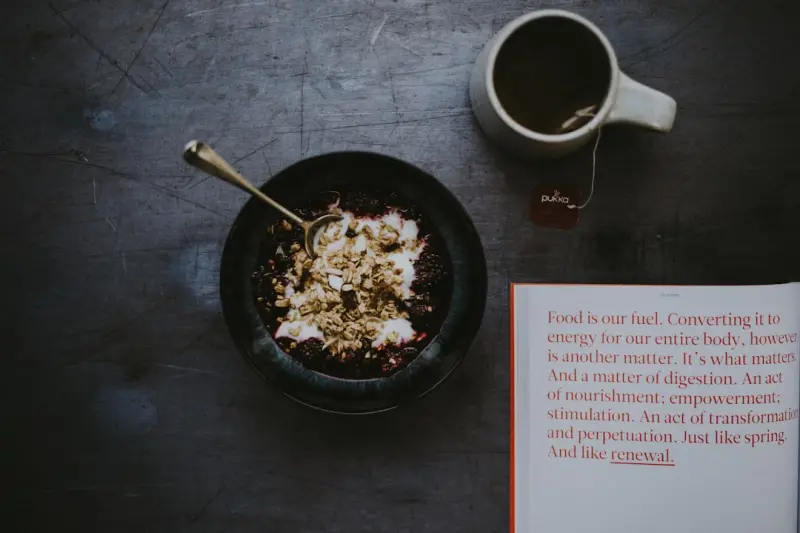
Mindful Eating: A Simple Path to Better Health
Explore the power of mindful eating—a science‑backed practice that balances hormones, steadies blood sugar, and enhances overall well‑being. Learn a fiveâ...Read More

Unlocking Health Through the Simple Act of Breath
A deep dive into the science of breathwork, practical techniques, and how pairing mindful breathing with simple habits like digital detoxes and outdoor moments ...Read More

Why the No‑Mow Lawn Is the Next Big Thing for Sustainable Homeowners
A no‑mow lawn swaps high‑maintenance grass for resilient groundcovers, offering eco‑friendly, water‑saving, and aesthetically pleasing yards that requir...Read More
0 Comments
Post Comment
You will need to Login or Register to comment on this post!