
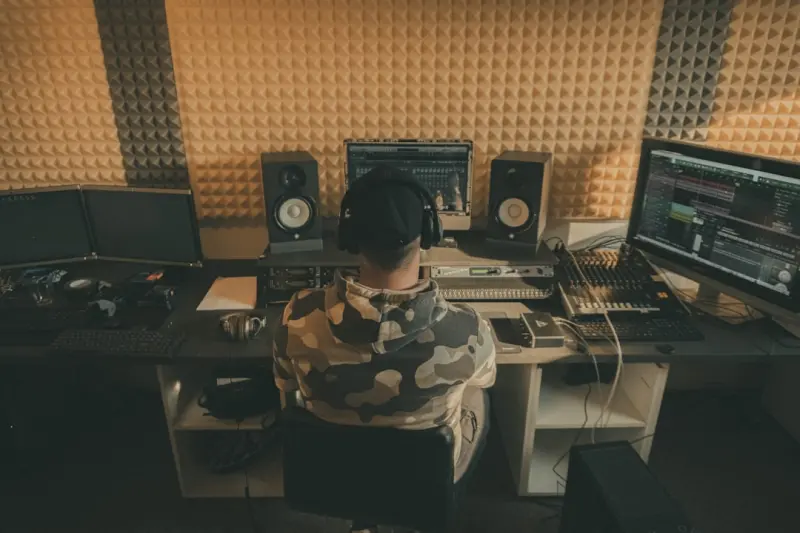
Why Personal Care Needs More Than Just a Face Wash
When most of us think about personal care, the first image that pops up is a quick splash of water, a dab of moisturizer, and maybe a splash of cologne before stepping out the door. That bare‑bones approach works for the occasional errands run, but it falls short for anyone who spends the majority of their day plugged into screens, juggling meetings, and making decisions that affect entire teams.
What if you could turn everyday grooming into a strategic, multi‑sensory experience that not only cleanses but also calibrates your nervous system, sharpens focus, and reduces the silent stress that builds up over hours of digital immersion? That’s the premise of a multi‑sensory personal care routine—a deliberately designed sequence that engages scent, sound, touch, and even temperature to create a holistic boost.
The Science Behind Sensory Alignment
Our brains are wired to respond to sensory cues. The olfactory bulb, which processes smell, has a direct line to the limbic system—the seat of emotions and memory. Auditory stimuli can synchronize brainwave patterns, influencing everything from alertness to calm. Tactile feedback, especially when it involves temperature changes or gentle pressure, triggers the parasympathetic nervous system, the “rest‑and‑digest” mode that counters the fight‑or‑flight response.
When these elements are intentionally combined, they produce a synergistic effect far greater than the sum of their parts. In practice, that means a brief, well‑crafted ritual can reset your stress hormones, sharpen concentration, and even improve skin barrier function by reducing cortisol‑induced inflammation.
Step‑by‑Step: Building Your Multi‑Sensory Routine
Below is a modular framework you can adapt to your schedule, work environment, and personal preferences. Each step is optional, but the more you incorporate, the richer the experience.
1. Scent‑Setting: Choose an Intentional Aroma
- Morning boost: Citrus or peppermint oils stimulate adrenergic pathways, increasing alertness.
- Midday reset: Lavender or frankincense calm the amygdala, lowering perceived stress.
- Evening wind‑down: Chamomile or sandalwood prepare the brain for restful sleep.
Apply a few drops to a pulse point (wrists, behind ears) or use a diffuser for a subtle ambient fragrance. The key is consistency—your brain will start associating the scent with a specific mental state.
2. Soundscaping: Curate a Personal Audio Landscape
Instead of defaulting to the endless chatter of notification pings, create a sound palette that supports the task at hand:
- Focus mode: Binaural beats set at 14–16 Hz (beta range) can boost concentration.
- Creative flow: Alpha wave playlists (8–12 Hz) encourage divergent thinking.
- Stress relief: Low‑frequency nature sounds (rain, forest) activate the parasympathetic response.
Consider using noise‑cancelling headphones or a small speaker positioned near your workstation. A simple smart home comfort hack—like automating a gentle fade‑in of ambient sound as you start a deep‑work session—can make the transition seamless.
3. Touch & Temperature: The Power of Micro‑Pressure
Our bodies crave tactile cues. A brief self‑massage, a cold splash, or a warm compress can each trigger distinct physiological responses:
- Cold burst (30 seconds): Invigorates circulation, reduces morning grogginess.
- Warm hand rub (2 minutes): Stimulates vagus nerve activity, fostering calm.
- Facial taping: Gently tapping the cheekbones and jawline can relieve tension and improve lymphatic drainage.
If you have a standing desk, a temperature‑controlled foot mat can add an under‑foot sensory layer that keeps you alert without the need for caffeine.
4. Light Integration (Without Overlap)
While many articles discuss the impact of natural light on remote work health, you can go a step further by using tunable lighting that mirrors the sun’s color temperature throughout the day. In the morning, a bright, cool hue (≈ 6500 K) awakens the body, while a warm amber tone (≈ 2700 K) in the evening signals it’s time to unwind.
5. Hydration & Ingestion: Align Your Internal Environment
Even the best external sensory routine can be undermined by dehydration or nutrient deficits. A glass of water infused with cucumber and mint not only hydrates but also provides a mild, refreshing scent that reinforces your aromatic cue.
Integrating the Routine Into a Busy Workday
One of the biggest barriers to any personal care practice is time. The beauty of a modular approach is that each element can be compressed into a 60‑second “micro‑pause.” Here’s a sample schedule:
- 8:30 am – Arrival: Apply citrus scent, start a focus‑enhancing binaural beat, and take a 30‑second cold splash.
- 10:45 am – Mid‑morning break: Switch to lavender, play soft rain sounds, and perform a two‑minute hand rub.
- 1:00 pm – Lunch reset: Light, warm lighting, sip cucumber‑mint water, and enjoy a brief nature‑sound interlude.
- 4:30 pm – Pre‑wrap‑up: Use sandalwood aroma, switch to alpha wave music, and do a gentle facial tap to release built‑up tension.
Because each segment is under two minutes, you can fit it between meetings, during a quick bathroom break, or right before you settle into a deep‑work block.
Measuring Impact: From Subjective Feelings to Data‑Backed Insights
Many professionals shy away from personal care because it feels “soft” and unquantifiable. However, with today’s wearable tech, you can track metrics that demonstrate the routine’s effectiveness:
- Heart Rate Variability (HRV): Higher HRV after a scent‑sound‑touch session indicates better autonomic balance.
- Skin Conductance: Reduced sweat response suggests lower stress levels.
- Productivity Scores: Apps that monitor focus time can show a lift in uninterrupted work periods.
Combine these data points with a simple micro‑refresh ritual log to see trends over weeks. The feedback loop not only validates the practice but also helps you fine‑tune the sensory components that work best for you.
Addressing Common Skepticism
“I don’t have time.” – The routine is built on micro‑pauses that can replace existing habits (e.g., swapping a coffee break for a scented, sound‑enhanced pause).
“It sounds gimmicky.” – The underlying neuroscience is robust: olfactory pathways directly influence emotional centers; auditory entrainment can shift brainwave states; tactile pressure modulates the vagus nerve.
“I’m not a “wellness” person.” – Think of this as performance engineering. Athletes use warm‑up drills; you’re applying a mental and physiological warm‑up before tackling complex tasks.
Scaling the Routine for Teams
Organizations can extend the benefits beyond individual employees. Consider a “Sensory Sync” session once a week where the whole team follows a shared routine:
- Start with a collective scent diffusion (e.g., citrus for a brainstorming session).
- Play a curated soundtrack that aligns with the meeting’s objective.
- Incorporate a brief group stretch or hand‑massage to reset tension.
This practice not only improves individual focus but also fosters a shared sensory language, enhancing team cohesion. Over time, the ritual becomes a cultural anchor, much like a daily stand‑up, but with a deeper impact on mental clarity and emotional resilience.
Future Directions: Personal Care Meets AI
Imagine an AI‑driven personal care assistant that learns your preferred scent‑sound combos, monitors your physiological data, and suggests real‑time adjustments. While still emerging, the technology is on the horizon, promising hyper‑personalized routines that adapt to workload fluctuations, travel zones, and even seasonal changes.
Until then, the DIY approach outlined above offers a practical, evidence‑based pathway to elevate personal care from a cosmetic afterthought to a core component of professional performance.
Takeaway: Make Sensory Care Your Competitive Edge
In a world where mental bandwidth is constantly contested, a well‑designed multi‑sensory routine can be your secret weapon. By aligning scent, sound, touch, and temperature, you create a predictable internal environment that tells your brain when to shift gears—whether that’s powering up for deep focus or winding down for restorative rest.
Start small, iterate, and let the data guide you. In the weeks to come, you’ll likely notice sharper focus, steadier moods, and even healthier skin—all by simply honoring the full spectrum of your senses.

Seth Samual is a name that's quickly becoming synonymous with compelling and insightful writing. As a freelance writer, Seth has carved a niche for himself by delivering high-quality content across a diverse range of subjects.
Related Posts
Chronobiology Meets Personal Care: Syncing Your Routine with Your Body Clock
Discover how to tailor cleansing, hydration, and active treatments to your body’s natural rhythms,... Read More
Crafting a Sensory Sanctuary: How Touch, Temperature, and Scent Elevate Personal Care
Learn how to build a daily sensory sanctuary using texture, temperature, and fragrance, turning ordi... Read More

Digital Sunset: Reclaiming Evening Calm for Personal Care
Margaret Thomson shares her personal “digital sunset” routine, a nightly unplugging practice tha... Read More
Top Posts
From Static Job Descriptions to Dynamic Talent Ecosystems
Traditional job descriptions are losing relevance in today’s fast‑moving work environment. This post outlines a practical roadmap for building dynamic talen...Read More
Mastering Home Micro‑Climate Hacks for Year‑Round Comfort
Learn how to identify and balance micro‑climates in your home with low‑cost, practical strategies—from smart shading and airflow tricks to plant placement...Read More

Beyond Tourist Trails: Crafting Meaningful Journeys Through Skill‑Based Travel
Turn every trip into a hands‑on classroom by immersing yourself in local crafts, cuisines, and practices. Learn how to choose authentic experiences, budget wi...Read More

Edible Front Yards: Merging Curb Appeal with Harvest
Discover how to design an edible front yard that looks beautiful, feeds your family, and fosters community—all while staying low‑maintenance and budget‑fr...Read More
0 Comments
Post Comment
You will need to Login or Register to comment on this post!