
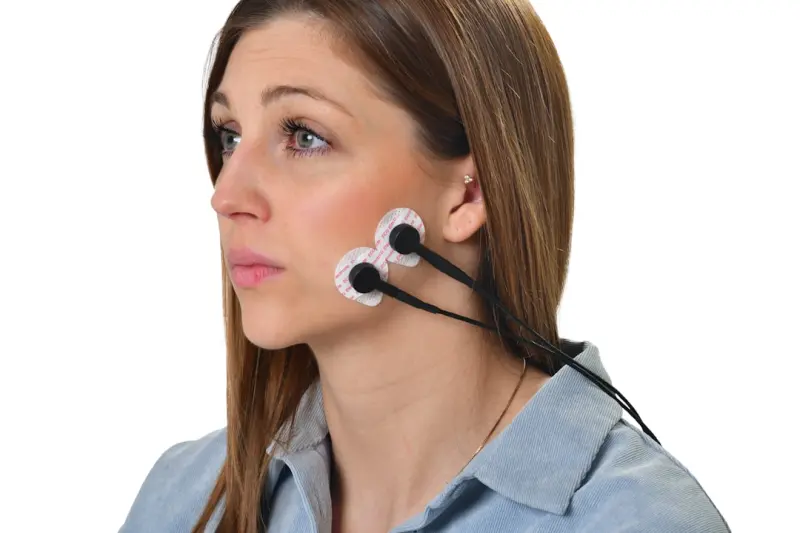
Listening to Your Body: The Rise of Biofeedback‑Driven Personal Care
When I first heard the term “biofeedback” in a neuroscience conference, I imagined a wall of monitors flashing numbers while I tried to decide which moisturizer to apply. Fast forward a few years, and I’m standing in front of my bathroom mirror, scrolling through a sleek app that tells me, in real time, whether my skin is ready for a serum, a mask, or simply a break. The experience feels less like a gadget gimmick and more like finally having a conversation with the very organ we’ve been trying to guess about for centuries.
From Guesswork to Data‑Driven Rituals
Traditional personal care has always been a blend of habit, cultural lore, and a dash of trial‑and‑error. We’ve inherited routines from grandparents (“wash your face with cold water”) and from glossy ads (“wake up to radiant skin in seven days”). Yet, none of those sources can answer the nuanced question that sits at the core of our daily rituals: what does my body actually need right now?
Enter biofeedback. By harnessing sensors that track skin hydration, temperature, galvanic skin response, and even subtle changes in facial muscle tension, modern devices translate physiological signals into actionable insights. The data is then fed into algorithms—often AI‑enhanced—to recommend the next step in your routine, whether that’s a lightweight moisturizer, a deep‑cleansing mask, or a moment of mindfulness.
Key Biofeedback Modalities Shaping Personal Care
- Electrodermal Activity (EDA) Sensors: Measure sweat gland activity, giving clues about stress levels that can affect skin oiliness and breakout propensity.
- Near‑Infrared Spectroscopy (NIRS): Gauges blood flow and oxygenation in the dermal layers, indicating how well nutrients are being delivered to skin cells.
- Thermal Imaging: Detects micro‑temperature variations, helping you decide whether a cooling serum or a warming oil is more appropriate.
- pH and Conductivity Probes: Assess the skin’s acid mantle, informing the choice of cleansing agents that won’t strip essential lipids.
These modalities don’t exist in isolation. Most consumer‑grade devices now combine several sensors into a single wearable—think a smart headband for nightly sleep analysis or a sleek wristband that tracks skin conductance throughout the day. The integration of data points creates a holistic picture that’s far richer than any single metric could provide.
Why Biofeedback Beats “One‑Size‑Fits‑All” Solutions
Consider two common scenarios:
- The “Dry” Skin Dilemma – You’ve been told you have dry skin, so you slather on a heavy cream every morning. Yet, on humid days your face feels greasy, and you experience occasional breakouts. Traditional advice fails to account for environmental fluctuations.
- The “Oily” Skin Conundrum – You’re advised to use a strong astringent, but during a stressful week your skin becomes irritated, leading to a compromised barrier and increased sensitivity.
In both cases, biofeedback provides a dynamic readout: humidity, stress markers, and barrier integrity are measured in real time, allowing the app to suggest a lighter gel on a humid day or a soothing serum when stress spikes. The result is a fluid, responsive routine that adapts to both internal and external variables—something static product recommendations simply cannot achieve.
Integrating Biofeedback into a Sustainable Personal Care Routine
While the tech is exciting, it’s essential to remember that personal care remains a fundamentally human practice. Here are three practical ways to weave biofeedback into a routine that respects both your body and the planet:
- Start Small, Scale Smart – Begin with a single sensor, such as a skin hydration tracker, and observe how your skin responds over a week. Use those insights to fine‑tune product usage before adding more devices.
- Choose Multi‑Purpose Products – Opt for formulations that can serve multiple roles (e.g., a moisturizer with antioxidants and a soothing peptide). This reduces product clutter and aligns with the zero‑waste, tech‑enabled personal care mindset while still delivering targeted benefits.
- Leverage Data for Eco‑Choices – Use the feedback to avoid over‑application. If your skin’s hydration is optimal, skip the extra layer of cream, thereby cutting down on product waste and packaging.
Real‑World Example: A Day in the Life of a Biofeedback‑Optimized Routine
Let’s walk through a typical weekday for someone who has embraced this approach. We'll call her Maya.
Morning: Maya’s wristband records a low skin temperature and elevated EDA, indicating both cool ambient conditions and mild stress. The app suggests a warming, vitamin‑C serum to boost circulation and a light, humectant‑rich moisturizer to lock in moisture without feeling heavy.
Mid‑Morning: As Maya hits the coffee shop, the device picks up an increase in humidity. The algorithm adjusts, advising a light mist of hydrating spray to maintain barrier integrity without over‑moisturizing.
Afternoon: A sudden meeting triggers a spike in her stress markers. The app pushes a notification: “Take a 2‑minute breathwork break and apply a calming lavender facial oil.” The oil not only soothes nerves but also contains anti‑inflammatory compounds that help keep skin calm during stress‑induced inflammation.
Evening: After a workout, Maya’s NIRS data shows increased blood flow to her face, signaling that her skin is primed for deeper nourishment. The app recommends a peptide‑rich night mask, which she applies before bed. The mask’s ingredients are timed to release slowly, capitalizing on the heightened permeability.
Throughout the day, Maya avoids the temptation to apply multiple products “just in case.” Instead, each application is a purposeful response to a specific, data‑backed need. Over a month, she notices fewer breakouts, a more even complexion, and a significant reduction in the number of products she purchases.
Addressing Common Concerns
Is this just another way for companies to sell more gadgets? The short answer: not necessarily. While the market does have a commercial side, the core technology—sensors and analytics—offers genuine health insights. The key is to choose platforms that prioritize data privacy and provide transparent algorithms. Look for open‑source firmware or companies that allow you to export raw data for independent analysis.
What about the learning curve? Initially, interpreting sensor readouts can feel like learning a new language. Most apps mitigate this by offering simple, actionable suggestions (e.g., “Apply moisturizer”) rather than raw numbers. Over time, you develop an intuition for the patterns—just as you might recognize the feeling of “tight” skin after a hot shower.
Will this replace professional dermatology? Absolutely not. Biofeedback is a complement, not a substitute. It can highlight trends and flag potential issues early, but it doesn’t replace the diagnostic expertise of a dermatologist, especially for conditions like eczema, psoriasis, or severe acne.
The Science Behind the Signals
Researchers have been studying skin as an “organ of communication” for decades. The epidermis isn’t merely a protective barrier; it’s an active participant in thermoregulation, immune response, and even emotional expression. Studies show that skin conductance correlates with sympathetic nervous system activity, a reliable marker of stress. Meanwhile, NIRS data has been used in clinical settings to monitor tissue oxygenation, proving its relevance beyond sports medicine.
By translating these physiological markers into everyday language—“your skin is stressed” or “you’re dehydrated”—biofeedback platforms democratize complex science, making it accessible for routine use.
Future Horizons: What’s Next for Biofeedback in Personal Care?
We’re on the cusp of several exciting developments:
- AI‑Powered Predictive Models: Instead of reacting, future systems could predict skin needs based on upcoming weather forecasts, calendar events, and historical patterns.
- Integrated Skincare Formulations: Companies are experimenting with “smart” packaging that releases actives in response to sensor data, essentially turning your lotion bottle into a responsive dispenser.
- Community‑Driven Data Pools: Aggregated, anonymized data could help researchers identify population‑wide trends, accelerating the development of targeted ingredients.
Imagine a world where you never have to guess whether a new serum will work for you. You simply upload the product’s ingredient list into your app, and it cross‑references the data with your current skin state, offering a personalized “yes/no” recommendation. That future is closer than many think.
Getting Started: A Practical Checklist
- Identify Your Primary Concern – Is it hydration, stress‑related redness, or barrier repair?
- Select a Trusted Device – Look for FDA‑cleared or clinically validated sensors.
- Pair with a Compatible App – Ensure the software provides clear guidance and respects your privacy.
- Audit Your Current Products – Use the data to pinpoint which items truly add value.
- Iterate – Review weekly trends, adjust product choices, and celebrate small victories.
By embracing biofeedback, you transform personal care from a static ritual into a dynamic, responsive practice—one that honors both your body’s innate wisdom and the advances of modern science. It’s a shift from “what should I do?” to “what does my body tell me I need right now?” And that, for me, feels like the most personal form of care there is.
Beyond the Routine: The Broader Impact
When individuals adopt data‑driven personal care, the ripple effects extend beyond the bathroom shelf. Reduced product waste, more efficient ingredient use, and a heightened awareness of environmental factors all contribute to a more sustainable ecosystem. Moreover, as more people share their anonymized data, manufacturers gain insights that can drive the creation of truly effective, low‑impact formulations.
In the end, the marriage of biofeedback and personal care isn’t just a tech trend—it’s a cultural evolution toward listening, responding, and caring for ourselves with the precision we’ve long reserved for other aspects of our lives.

Dale Peterson is a freelance writer with a passion for technology, travel, law and personal finance. With 10 years of experience crafting compelling and informative content, he's dedicated to delivering high-quality writing for Blogging Fusion that engages audiences and achieves specific goals.
Related Posts
Temperature‑Tuned Grooming: How Warm and Cool Water Can Elevate Your Daily Routine
A deep dive into the science of warm and cool water in grooming, offering practical experiments, tec... Read More

Sensory Reset: How Scent and Touch Can Supercharge Your Personal Care Routine
A quick, science‑backed sensory reset—using essential oils and gentle scalp or hand massage—ca... Read More

Rediscovering Personal Care Through the Power of Touch, Temperature, and Aroma
A fresh take on personal care shows how mindful engagement of touch, temperature, and scent can boos... Read More
Top Posts

Beyond the Checklist: Crafting Travel Experiences That Teach You Something New
Travel isn’t just a break—it’s a classroom. This post shows how to design trips that build real skills, expand networks, and deepen cultural insight, usin...Read More

AI as the Catalyst for Sustainable Business Transformation
Discover how AI can transform sustainability from a lofty ambition into actionable, measurable business outcomes, delivering real ROI and a competitive edge....Read More
Elevate Your Daily Personal Care with Breathwork and Self‑Massage
Learn a quick, science‑backed daily ritual that pairs intentional breathing with self‑massage, creating lasting calm, better focus, and healthier skin—all...Read More

Turning Transit Time into Growth: A Remote Pro’s Guide to Productive Travel
Discover actionable tactics for turning travel downtime into productive growth, from micro‑learning and AI‑driven planning to mindful movement and skill‑s...Read More
0 Comments
Post Comment
You will need to Login or Register to comment on this post!