
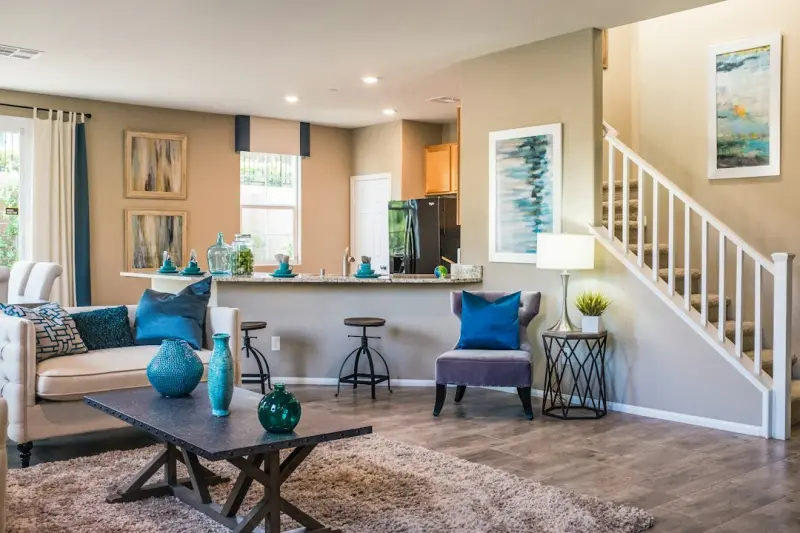
Why Sound Deserves a Seat at Your Home‑Improvement Table
When we talk about upgrading a living space, the conversation usually lands on paint colors, furniture layouts, or the latest smart lighting strategies. Yet there’s an invisible element that can either elevate or sabotage those efforts: sound. From the hum of a refrigerator to the echo of a hallway, acoustic dynamics shape how we think, feel, and even sleep. In this post I’m pulling back the curtain on home audio design, showing you how to turn everyday noise into a purposeful ally for focus, relaxation, and overall well‑being.
The Science Behind Home Soundscapes
Sound is a physical wave, and when it interacts with the surfaces in our homes it creates a complex pattern of reflections, absorptions, and diffractions. Researchers have demonstrated that certain frequencies can boost concentration, while others trigger stress responses. For example, a steady low‑frequency “white noise” can mask distracting chatter, helping you sink into deep work. Conversely, high‑frequency chirps—think of birdsong or a gentle chime—can stimulate dopamine release, lifting mood in a subtle but measurable way.
What’s fascinating is that these effects aren’t limited to specially engineered studios. By tweaking the acoustics of the rooms you already inhabit, you can create distinct zones that support the activity you’re undertaking—whether that’s a focused brainstorming session, a calming meditation, or a lively dinner conversation.
Step 1: Conduct a Simple Home Sound Audit
Before you buy any equipment, spend a weekend listening. Grab a notebook and walk through each major space, noting:
- Ambient baseline noise: the constant hum of appliances, street traffic, or HVAC systems.
- Echo hotspots: rooms where your voice seems to bounce back (often those with hard surfaces like tile or glass).
- Acoustic dead zones: areas that feel muffled, usually because of heavy curtains, plush furniture, or carpet.
Mark these observations on a floor plan. This audit will be your roadmap, guiding where to add absorption, diffusion, or subtle sound sources.
Step 2: Harness Natural Materials for Passive Sound Control
Just as passive comfort techniques let a house breathe temperature‑wise, certain materials can let it breathe sound‑wise. Consider these low‑cost interventions:
- Rugs and Carpets: Thick wool or sisal rugs on hardwood floors dramatically reduce foot‑step reverberations.
- Wall Hangings: Tapestries, woven wall art, or acoustic panels made from recycled denim absorb mid‑range frequencies where speech lives.
- Bookshelves: Filled shelves act as diffusers, scattering sound waves and preventing harsh echoes.
- Plants: Large foliage not only cleans the air but also adds a porous surface that dampens high‑frequency noise.
These choices blend aesthetics with function, letting you upgrade acoustics without sacrificing style.
Step 3: Create Dedicated Audio Zones
Just as you might designate a corner for reading, carve out an audio zone tailored to a specific activity.
Focus Zone (home office or study): Install a low‑profile white‑noise machine or a smart speaker playing a continuous ambient track—think gentle rain or a steady fan. Pair this with a desk mat and a small bookshelf to break up reflections. Keep the space minimal; visual clutter competes with auditory focus.
Relaxation Zone (living room or bedroom): Use a Bluetooth speaker that can stream nature sounds or calming instrumentals. Position it near a comfortable chair or the headboard, and add soft textiles to soak up any residual high‑frequency noise. Dim the lights (or leverage those smart lighting strategies) to enhance the auditory experience.
Social Zone (dining area or open‑plan family space): Opt for a subtle background music playlist that stays beneath conversation levels. Acoustic panels disguised as decorative art can prevent music from becoming overly boomy, ensuring voices remain clear.
Step 4: Choose the Right Playback Devices
Not all speakers are created equal. For a home audio oasis, you’ll likely need three types of devices:
- Portable White‑Noise Units: Small, battery‑operated devices are perfect for focus zones because they can be moved as needed.
- Smart Speakers: Devices like the Echo or Google Nest let you voice‑control playlists, set timers, and even integrate with home automation for synchronized lighting.
- High‑Fidelity Stereo Pairs: In larger social areas, a pair of bookshelf speakers delivers richer soundscapes without overwhelming the room.
When selecting speakers, pay attention to the frequency response. A flat response (20 Hz–20 kHz) ensures you get the full range of natural sounds, from the low rumble of distant thunder to the crisp chirp of a sparrow.
Step 5: Leverage Technology for Adaptive Soundscapes
Modern homes can now listen to themselves. Some smart speakers feature built-in microphones that analyze ambient noise levels and automatically adjust volume or playback type. For instance, when the evening turns quiet, your system could shift from a bright jazz playlist to a soft piano medley, aligning with the lower ambient noise floor.
Another emerging trend is sound zoning via Wi‑Fi multi‑room systems. By assigning different rooms to distinct audio “rooms” in the app, you can have a podcast playing in the office while the bedroom enjoys rain sounds—all without a single wire crossing the hallway.
Step 6: Mindful Listening as a Daily Ritual
Technology and design set the stage, but the final ingredient is habit. Treat your audio zones as rituals:
- Start your workday with a five‑minute “focus sound” ritual—press play on a white‑noise track, close your door, and breathe deeply.
- End evenings with a “wind‑down sound” practice—dim the lights, lower the speaker volume, and let gentle acoustic guitar lull you into relaxation.
- During meals, keep the volume low enough that conversations remain the star, using background music only as a subtle texture.
Consistent use trains your brain to associate specific sound environments with particular mental states, making the transitions smoother and more effective.
Step 7: Tackle Unwanted Noise at Its Source
If external noise—traffic, construction, or noisy neighbors—breaks through your carefully crafted oasis, consider these interventions:
- Seal Gaps: Weather‑stripping doors and windows reduces infiltration of street sounds.
- Mass‑Loaded Vinyl (MLV): Installing MLV behind drywall adds density, dramatically lowering transmission of low‑frequency noise.
- Acoustic Curtains: Heavy, lined curtains act as both visual and acoustic barriers, especially useful for bedroom windows.
Even modest steps—like placing a bookshelf against a shared wall—can dampen vibrations enough to make a noticeable difference.
Step 8: Monitor, Tweak, and Evolve
Acoustic comfort isn’t a set‑and‑forget project. As seasons change, so do your home’s sound profile—windows open in summer, heating systems kick in winter. Revisit your sound audit quarterly, adjust speaker placements, and experiment with new playlists or sound generators. Over time you’ll develop an intuition for what works, making your home a dynamic, responsive sanctuary.
Putting It All Together: A Sample Day in a Sound‑Optimized Home
6:30 am – Wake‑Up Calm: A gentle alarm fades into soft ocean waves, encouraging a slow transition from sleep to wakefulness. The bedroom’s acoustic curtains keep street noise at bay.
7:00 am – Breakfast & Planning: Light acoustic guitar plays in the kitchen while you sip coffee. The open‑plan layout diffuses the music, keeping it low enough for conversation.
9:00 am – Deep Work: You step into the home office, close the door, and activate the white‑noise unit. The surrounding rug and wall art absorb stray echoes, creating a bubble of focus.
12:30 pm – Lunch Break: The dining area switches to a curated playlist of upbeat indie tracks, encouraging a lively yet balanced atmosphere.
3:00 pm – Quick Reset: A five‑minute ambient forest sound session in the living room revitalizes your mind before the final work sprint.
6:00 pm – Family Time: Background jazz fills the living area, while the TV volume stays modest, allowing conversations to flow freely.
9:30 pm – Wind‑Down: You retire to the bedroom where a smart speaker gradually lowers the volume of a soft piano piece, syncing with the dimming lights to cue your brain for sleep.
This rhythm demonstrates how intentional sound design weaves through daily life, enhancing productivity, connection, and rest.
Final Thoughts: Sound as a Design Pillar
In the same way we consider color palettes, lighting, and furniture ergonomics, sound deserves a seat at the design table. By conducting a simple audit, integrating natural absorbers, establishing dedicated audio zones, and embracing smart technology, you can transform any home into a sound‑smart haven. The payoff is more than just a quieter house—it’s a space that actively supports your mental clarity, emotional balance, and overall quality of life.

Jimmy Anand is a content creator that gets inspired by many aspects of life, internet or whatever inspires him at that moment. When he's not online he's gaming and when he is not gaming he is online trolling discussion boards.
Related Posts

Transform Your Hallway into a Health‑Boosting Hub
Turn your often‑ignored hallway into a wellness corridor with lighting, scent, movement cues, and ... Read More
Let the Sun In: Transform Your Home with Light‑Smart Design
Learn how to map sunlight, choose optimal window dressings, use mirrors, colors, and smart controls ... Read More
Reimagining the Hallway: A Multi‑Purpose Gallery, Storage Zone, and Mood Booster
Discover how to transform a neglected hallway into a vibrant gallery, hidden storage solution, and s... Read More
Top Posts

Reprogramming Your Body Clock: Practical Hacks for Healthier Sleep in the Remote Age
Discover practical, science‑backed strategies to reset your body clock, from morning light exposure to meal timing and digital sunsets, and reap long‑term h...Read More

Reverse Mentoring: The Secret Weapon for Career Acceleration
Learn why reverse mentoring is the game‑changing strategy that lets senior leaders tap into fresh ideas, fast‑track skill development, and boost employee en...Read More

Turning Everyday Commutes into Curiosity‑Fuelled Adventures
Learn to treat every commute as a mini‑expedition with sensory mapping, portable travel kits, culinary trails, and community sharing, turning ordinary travel ...Read More

How Breathwork Can Reboot Your Health in a Screen‑Heavy World
A practical guide to integrating breathwork into daily routines, showing how a few mindful breaths can lower stress, enhance focus, and support overall health w...Read More
0 Comments
Post Comment
You will need to Login or Register to comment on this post!