
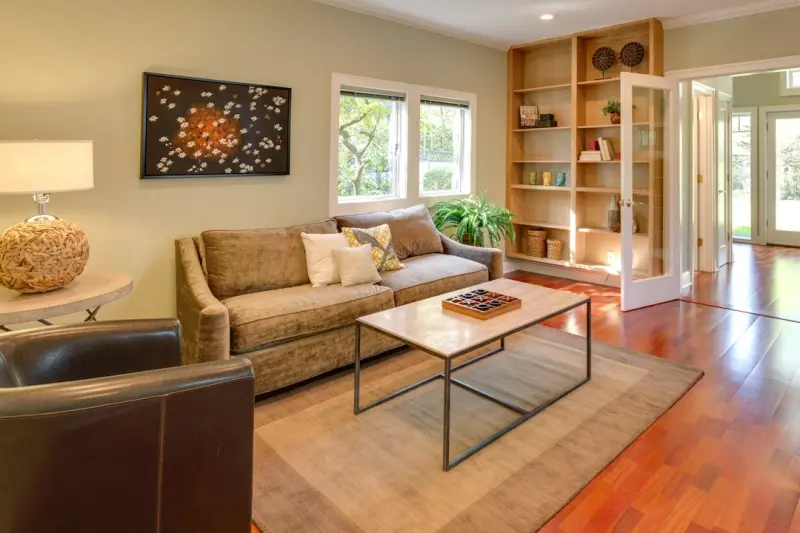
Turn Your Living Space into a Productivity Power‑Hub
When I first moved into my downtown loft, the biggest challenge wasn’t finding a place to put my laptop—it was figuring out how to make the whole apartment feel like a single, coherent workspace without sacrificing comfort. Most home‑tips articles tell you to buy a standing desk or a fancy chair, but they rarely dive into the subtle, often invisible tweaks that turn an ordinary room into a focus‑fueling sanctuary. In this post I’m sharing the exact, battle‑tested strategies I use to keep my mind sharp, my energy steady, and my home humming with quiet efficiency.
1. Map Your “Energy Zones” Before You Move Anything
Before you even think about rearranging furniture, take a mental walk around your home. Identify three natural zones:
- High‑Intensity Zone – Where you need laser‑sharp focus (usually the desk or a dedicated nook).
- Recovery Zone – A spot for micro‑breaks, stretching, or a quick meditation.
- Transition Zone – The hallway or entryway that signals a shift from work to personal time.
By mapping these zones, you give your brain a clear cue about what to expect when you cross a threshold. It’s a simple form of environmental conditioning that reduces decision fatigue and improves task switching.
2. Light the Way: Temperature, Direction, and Rhythm
Most people think “more light = better productivity,” but the reality is far richer. Your eyes are constantly communicating with your circadian system, and the wrong light can sabotage focus.
- Color temperature matters. Cool, blue‑leaning light (around 5,000–6,500 K) mimics daylight and boosts alertness. Use this in your High‑Intensity Zone during the morning and early afternoon.
- Warm, amber tones (2,700–3,000 K) are perfect for the Recovery Zone in the late afternoon, signaling your brain to wind down.
- Layered lighting. Combine a primary overhead source with task‑specific desk lamps and a soft floor lamp for the transition area. The layering lets you adjust the mood without swapping fixtures.
If you’re curious about how light syncs with your natural rhythms, the Syncing Your Body Clock guide dives deeper into the science and offers a quick cheat‑sheet for selecting bulbs.
3. Soundscapes: The Quiet You Didn’t Know You Needed
While many home‑tips pieces recommend white noise, I’ve found that a curated soundscape can be far more effective. The trick is to pick audio that masks distracting chatter without becoming a new distraction.
- Nature loops. A gentle rain or distant ocean can lower cortisol levels and improve concentration.
- Low‑frequency hums. Think of a subtle drone or low‑key ambient music—these frequencies blend into the background and prevent sudden spikes in auditory attention.
- Smart speakers with timers. Set them to fade out after 45‑minutes of work; the gradual silence cues your brain to transition to a break.
For those who love a garden vibe, check out the Sonic Serenity article for inspiration on integrating sound with indoor plants.
4. Scent, Color, and Texture: A Multi‑Sensory Upgrade
Our senses are wired to react to environmental cues. A well‑chosen scent can lift mood, a specific color can sharpen focus, and texture can provide tactile feedback that grounds you during long sessions.
- Scent. Citrus (orange, lemon) and rosemary are proven to enhance alertness. A small essential‑oil diffuser on your desk does wonders without overwhelming the space.
- Color. Cool blues and muted greens are best for the High‑Intensity Zone, while warm terracotta or soft mauve can make the Recovery Zone feel cozy.
- Texture. Keep a smooth, matte mouse pad and a soft, textured throw within arm’s reach. When you feel the difference under your hand, your brain registers a subtle reminder to stay present.
For a deeper dive into how scent and color affect everyday health, the Scent, Color, and Calm post provides a research‑backed roadmap.
5. Declutter with Intent: The “One‑In, One‑Out” Rule
Clutter is the silent productivity killer. The moment a desk is strewn with papers, the brain spends energy scanning for the next item you need, pulling you away from the task at hand.
My version of the rule is simple: every time you bring a new gadget, notebook, or decorative object into your High‑Intensity Zone, you must remove something of equal or greater visual weight. This keeps the visual field clean and reduces the subconscious “search” load.
6. Micro‑Break Architecture: Design Spaces for the 5‑Minute Recharge
Research shows that a 5‑minute break every hour can boost focus by up to 30 %. But those breaks need a purpose. Create a micro‑break nook that offers a single, inviting activity:
- Stretch corner. A yoga mat and a small wall‑mounted strap for quick spine twists.
- Hydration station. A sleek water dispenser with a fruit‑infused pitcher encourages you to sip, move, and reset.
- Mini‑library. A curated stack of short, inspirational reads (think 10‑page essays) that you can flip through without diving into a full‑blown novel.
These micro‑zones give your brain a clear “break cue,” making it easier to transition back to deep work afterward.
7. Smart Home Automation for Seamless Flow
Automation isn’t just for turning lights on and off; it can be a productivity ally.
- Scheduled “focus modes.” Use your smart hub to dim lights, mute notifications, and play your chosen soundscape at a set time each morning.
- Temperature sync. Program the thermostat to lower the temperature by a few degrees during your peak focus window—cooler air nudges the body toward alertness.
- Device zoning. Set Wi‑Fi bandwidth limits for non‑work devices during work hours, ensuring your video calls and cloud apps stay lag‑free.
8. Digital Hygiene: The Physical Manifestation of “Email Zen”
When your physical environment is tuned for focus, the digital side must match. A cluttered inbox is the virtual counterpart of a messy desk.
Apply the principles from Email Zen to your desktop:
- One‑click archiving. Set up a rule that any email older than three days auto‑archives unless it’s flagged.
- Tab‑only browsers. Keep work tabs in a separate browser profile to avoid cross‑pollination of personal distractions.
- Minimalist desktop. Limit desktop icons to five essentials: your task manager, calendar, and two frequently used apps.
9. Personalize with “Home‑Office Artifacts”
Human beings are story‑tellers. A small artifact—a travel souvenir, a framed sketch, or a vintage compass—can act as a visual anchor, reminding you of a purpose beyond the spreadsheet.
Choose items that trigger positive emotions but don’t dominate the visual field. Position them just out of direct sightline; they become a subtle morale boost when you glance over.
10. Review, Refine, Repeat
Productivity ecosystems are living systems. Every month, spend 15 minutes walking the zones you defined in step 1. Ask yourself:
- Is the lighting still appropriate for the time of day?
- Do the scents feel fresh or stale?
- Are the micro‑break activities still inviting?
Make small tweaks—swap a lamp shade, rotate a plant, or adjust a thermostat schedule. The cumulative effect of these incremental upgrades keeps your home feeling fresh and your mind primed for sustained output.
Putting It All Together: A Day in the Optimized Home
Imagine waking up, pulling aside a blackout curtain, and letting a cool, blue‑tinted sunrise fill your High‑Intensity Zone. You sip lemon‑infused water, the citrus scent mingling with a faint hint of rosemary from your diffuser. Your smart hub cues a soft rain loop, while the thermostat drops a few degrees, nudging your body into alertness.
After a solid two‑hour block, a gentle chime signals a micro‑break. You glide to the stretch corner, roll out the mat, and let the music fade as you perform a few spine‑twisting moves. The transition zone’s warm amber lamp flickers on, signaling the brain that it’s time to shift gears.
Back at the desk, your inbox is pristine thanks to the “Email Zen” routine you set up months ago. You dive into a project with renewed focus, confident that every element of your space is aligned to support you.
By the evening, the warm amber lights in the Recovery Zone cast a soothing glow. You curl up with a short essay from your mini‑library, let the scent of lavender linger, and feel a genuine sense of calm as you close the day.
That’s not a fantasy; it’s a deliberately engineered environment that anyone can build with the right mindset and a few strategic adjustments.
Take the First Step Today
Start small: pick one zone, adjust the lighting, and add a scent. Observe the change for a week. Then iterate. The beauty of this approach is that each improvement compounds, turning an ordinary apartment into a high‑performance home base that serves both your career ambitions and personal well‑being.
Ready to redesign your home for peak productivity? Grab a notebook, map your zones, and let the transformation begin.

Paul Flynn is a versatile freelance writer equipped with a diverse skillset and a portfolio that reflects his wide-ranging interests and expertise. From crafting compelling website copy and engaging blog posts to delivering in-depth articles and meticulously researched reports, Flynn demonstrates a remarkable ability to adapt his writing style to suit various audiences and purposes.
Related Posts
Curating a Rotating Home Gallery: Fresh Ways to Refresh Your Space
Learn to turn your walls into a living gallery with easy swaps, seasonal themes, and DIY framing—b... Read More
Revitalizing Your Home Entryway: Small Changes, Big Impact
A step‑by‑step guide to turning your front hallway into a functional, mood‑boosting sanctuaryâ... Read More

Illuminating Your Home: How Ambient Lighting Transforms Everyday Living
A deep dive into using layered ambient lighting, smart bulbs, and air‑purifying plants to create a... Read More
Top Posts
Why Garden Desks Are the Future of Employment
Garden desks blend nature with work, offering a fresh boost to productivity, creativity, and well‑being—turning any backyard into a powerful career catalyst...Read More

Micro‑Getaways: Quick Recharge Trips for Busy Professionals
Micro‑getaways are short, intentional trips that deliver the mental reset of a long vacation without the logistical hassle, offering busy professionals a powe...Read More

Garden Desks: The Employment Power Play Shaping 2026
Explore the rise of garden desks in 2026 and how this outdoor work trend is reshaping productivity, health, and hiring strategies across industries....Read More
Redesigning Your Role: A Practical Guide to Job Crafting for Modern Employees
Job crafting lets employees proactively redesign tasks, relationships, and perceptions of their work, fostering greater purpose, performance, and retention. Thi...Read More
0 Comments
Post Comment
You will need to Login or Register to comment on this post!