
The Unexpected Power of Sound: Crafting Auditory Environments for Mental Well‑Being
When I first set up my home office, I treated it like a stage. I wanted the perfect chair, the ideal lighting, and a view that sparked inspiration. Yet, after weeks of scrolling through endless playlists and toggling between “focus” and “relax” modes, I realized something was missing: the sound itself wasn’t intentional—it was background noise, a by‑product of my attempts to stay productive.
That revelation sparked a personal experiment that has now become a cornerstone of my mental‑health routine. I stopped treating sound as an afterthought and began to design it. The result? A measurable lift in mood, sharper focus, and a calmer nervous system—even on the most chaotic days.
Why Sound Matters (More Than You Think)
Our brains are wired to respond to auditory cues. From the lullaby that soothed us as infants to the alarm that jolts us awake, sound is a constant companion in the story of our mental health. Neuroscience tells us that certain frequencies can activate the parasympathetic nervous system, lowering cortisol levels and promoting relaxation. Conversely, erratic or harsh noises can trigger the fight‑or‑flight response, leaving us frazzled and anxious.
Most of us are aware of the visual ergonomics of a workspace—monitor height, natural light, ergonomic chairs. But the acoustic ergonomics are often overlooked, even though they can be just as influential. A well‑curated soundscape can become a silent therapist, guiding the brain into a state of calm focus without any conscious effort.
Three Core Principles for Building a Mental‑Health‑Friendly Soundscape
- Purpose‑Driven Selection: Choose sounds that align with the task at hand. Gentle rain can be ideal for deep work, while upbeat instrumental tracks can energize creative brainstorming.
- Volume as a Variable: Think of volume like lighting—dim it for concentration, raise it for motivation, and mute it entirely for moments of deep reflection.
- Consistency Over Novelty: Our brains love patterns. A consistent auditory backdrop reduces the cognitive load of deciding what to listen to, freeing mental bandwidth for the work itself.
Getting Started: A Step‑by‑Step Playbook
- Audit Your Current Audio Landscape
Spend a day noting every sound that reaches your ears while you work: the hum of the refrigerator, passing traffic, notification pings, the occasional coworker chatter. Rate each on a scale of 1 (disruptive) to 5 (supportive). This audit reveals the hidden stressors that may be sabotaging your focus.
- Define Your Acoustic Goals
Are you looking to reduce anxiety, boost creativity, or simply maintain steady concentration? Write down one primary goal per work block. For example, “Morning email triage: calm focus” versus “Afternoon design sprint: creative lift.”
- Curate a Library of Sounds
There are three main categories to consider:
- Nature Ambiences: Rain, forest canopy, distant waves. These frequencies often contain a broad spectrum of soothing sounds that mimic the natural world.
- Instrumental Soundtracks: Minimalist piano, lo‑fi beats, ambient electronica. Keep lyrics out of the mix unless your brain thrives on lyrical cues.
- White‑Noise Variants: Classic white noise, pink noise, or even a gentle fan. These are especially useful in open‑plan offices where external chatter can become a distraction.
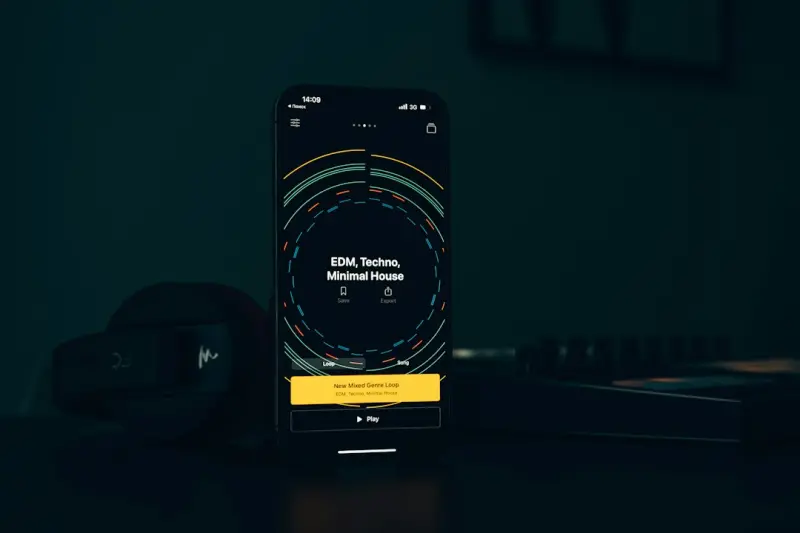
Platforms like Spotify, Apple Music, and dedicated apps such as Brain.fm provide ready‑made playlists. But for true personalization, consider building your own mixes using free tools like Audacity or online looping services.
- Integrate Technology Thoughtfully
Smart speakers can automate transitions. Set up a routine where your morning “focus” playlist starts at 9 am, switches to a “creative” ambience at 11 am, and then fades into a “wind‑down” soundscape at 4 pm. If you’re a fan of automation, explore AI‑guided ethical design tools that can suggest sound profiles based on your calendar and task type.
- Measure the Impact
After a week of intentional listening, reflect on three metrics: perceived stress (rate 1‑10), task completion speed, and overall mood. You’ll likely notice subtle but meaningful improvements. If not, tweak the variables—perhaps a lower volume or a different frequency range.
Case Study: From “Noise Chaos” to “Audio Harmony”
Last quarter, I partnered with a small design agency that struggled with “creative fatigue.” Their designers complained that the open office buzz made it hard to enter a flow state. We introduced a simple sound‑zone strategy: each workstation received a discreet Bluetooth speaker pre‑loaded with a rotating set of ambient tracks.
Within two weeks, the team reported a 30 % reduction in self‑reported stress and a noticeable boost in the quality of their concepts. The secret? Consistency. By using the same gentle ocean waves throughout the day, the designers’ brains learned to associate that sound with “creative mode,” effectively shortcutting the mental switch that usually takes minutes.
Balancing Sound with Silence
While sound can be a powerful ally, it’s essential to recognize when silence is the better prescription. Deep work often benefits from a period of auditory deprivation—think of it as a mental “reset.” Schedule short “quiet windows” where all sound sources are muted, allowing your brain to consolidate information without external input.
These silent intervals complement your curated soundscape, creating a rhythm of stimulation and rest that mirrors natural circadian patterns. The combination helps prevent auditory fatigue, a common but overlooked cause of burnout.
Integrating Sound with Other Mental‑Health Practices
Sound isn’t a stand‑alone solution; it shines when paired with broader well‑being habits. For instance, aligning your auditory schedule with daily rituals can amplify results. Start your day with a brief mindfulness breathing session, then cue a gentle sunrise soundscape to transition into focused work. End the day with a calming wind‑chime playlist to signal mental closure.
Similarly, consider the impact of your inbox. An overwhelming flood of email notifications can hijack your soundscape, turning a calming environment into a frantic one. By practicing mindful email management, you keep the auditory backdrop consistent and protect its therapeutic value.
Tools & Resources for the Sound‑Savvy Professional
- Brain.fm – AI‑generated music designed to boost focus, relaxation, or sleep.
- Noisli – Mix and match nature sounds, white‑noise variants, and ambient tones.
- Spotify’s “Focus” and “Calm” Playlists – Curated by experts, great for quick setup.
- Audacity (Free) – Create custom loops or blend multiple tracks for a truly personalized mix.
- Smart Home Routines – Use Alexa, Google Home, or Apple HomeKit to automate sound transitions based on time or calendar events.
Potential Pitfalls and How to Avoid Them
Over‑Stimulation: Too many layers of sound can become a new form of distraction. Stick to one primary track or ambient layer per work block.
Dependency: Relying on sound to the point where you can’t work without it may limit flexibility. Build occasional “no‑sound” days to keep your brain adaptable.
Licensing Issues: If you’re using copyrighted music in a commercial setting, ensure you have the proper licenses. Public‑domain or royalty‑free libraries are safe bets for team-wide implementation.
Final Thoughts: Your Brain is Listening, So Let It Hear What It Needs
Sound is one of the most accessible, cost‑effective tools for supporting mental health in the modern workspace. By moving from passive listening to purposeful sound design, you give your brain the cues it needs to stay calm, focused, and resilient. The next time you reach for a playlist, pause and ask: “What does my mind need right now?” The answer could be a gentle rainstorm, a quiet fan hum, or simply the soothing silence that follows a well‑timed pause.
Take the first step today. Audit, select, and schedule. Within days, you’ll notice the subtle shift—your stress levels dip, your focus sharpens, and you’ll feel a little more in sync with the rhythm of your own work. The soundtrack of mental health is yours to compose.

Jessica Gills is a freelance writer carving a niche for herself by empowering others through her words. With a focus on careers, self-development, and business, she helps readers navigate the complexities of the modern professional landscape.
Related Posts

Storytelling at Work: How Narrative Boosts Mental Resilience
Explore practical narrative practices that turn everyday work tasks into stories, boosting emotional... Read More

When Play Becomes Therapy: Reclaiming Childhood Joy for Adult Mental Wellness
This article explores how integrating playful activities into daily routines can enhance mental heal... Read More

The Secret Power of Structured Daydreaming for Mental Resilience
Structured daydreaming transforms aimless mind‑wandering into a purposeful mental workout, strengt... Read More
Top Posts
Savoring the Journey: A Sensory Approach to Modern Travel
A fresh look at travel that invites readers to engage all five senses, turning ordinary trips into unforgettable experiences....Read More

Balcony Forests: Turning Tiny Outdoor Tiles into Lush Sanctuaries
Discover a step‑by‑step guide to turning a modest balcony into a thriving mini‑forest, complete with reclaimed‑material planters, low‑tech irrigation,...Read More

Crafting a Personalized Sensory Routine: The Small‑Scale Secrets to Everyday Wellness
Learn to weave micro‑periods, scent layers, and texture into your daily routine, turning ordinary self‑care into a personalized sensory experience....Read More

Year‑Round Outdoor Living: Build a Backyard Room That Works in Every Season
Discover how to transform your patio into a year‑round outdoor living room, blending smart structure, heating, cooling, lighting, and seasonal style for endle...Read More
0 Comments
Post Comment
You will need to Login or Register to comment on this post!