
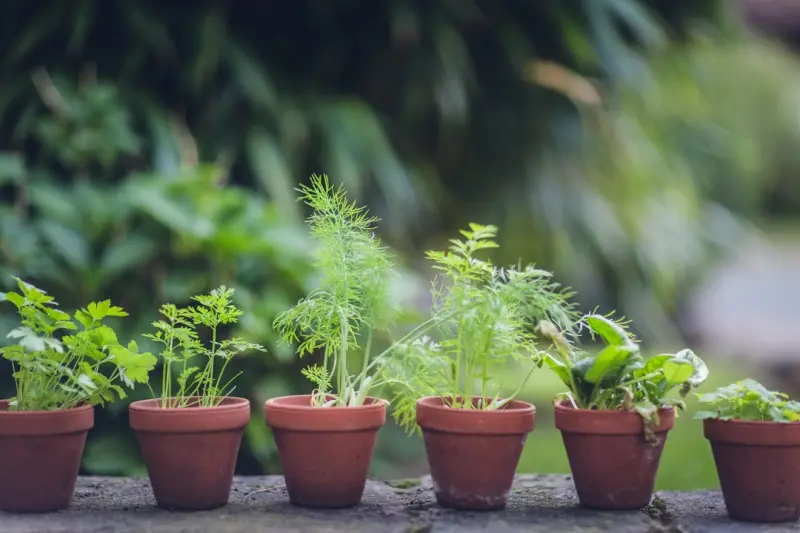
Why a Micro‑Herb Windowsill Garden Is the Next Home Trend
Imagine stepping into your kitchen and reaching for a handful of basil, mint, or cilantro that’s been growing just a few feet away on your windowsill. The aroma fills the air, the leaves are crisp, and you’ve just saved a trip to the grocery store. This isn’t a lofty, Instagram‑styled fantasy; it’s a practical, low‑maintenance habit that’s gaining momentum in apartments, townhouses, and even suburban homes. In a world where space is premium and sustainability is a daily conversation, micro‑herb windowsill gardens offer a sweet spot of convenience, health benefits, and a touch of nature that fits into any lifestyle.
The Science Behind Growing Herbs Indoors
Herbs are naturally adapted to thrive in bright, well‑ventilated environments. Their shallow root systems make them perfect candidates for containers that sit on a windowsill. When you provide the right amount of light, moisture, and airflow, the plant’s photosynthetic cycle runs efficiently, producing essential oils that give each herb its distinct flavor and aroma. Studies show that indoor plants can improve indoor air quality by absorbing volatile organic compounds (VOCs) and releasing oxygen, which contributes to a fresher, more inviting kitchen atmosphere.
Choosing the Right Herbs for Your Space
Not every herb will flourish in every window. Here’s a quick guide to match your sunlight exposure with the best candidates:
- South‑facing windows (6‑8 hours of direct sun): Basil, rosemary, thyme, and oregano thrive in this bright setting.
- East‑facing windows (morning sun, 3‑5 hours): Mint, parsley, and chives love the gentler light.
- West‑facing windows (afternoon sun, 4‑6 hours): Dill and sage handle the slightly harsher afternoon rays.
- North‑facing windows (low light): While most herbs struggle here, you can still grow leafy greens like arugula or micro‑greens that require less intense light.
When in doubt, start with a kitchen-friendly herb starter kit that includes a mix of easy‑care varieties and a compact grow light for cloudy days.
Step‑by‑Step Guide to Setting Up Your Micro‑Herb Garden
1. Pick the right containers. Shallow trays, recycled coffee cans, or repurposed glass jars work well. Ensure they have drainage holes to prevent waterlogging.
2. Choose a quality potting mix. A blend of peat moss, perlite, and vermiculite provides the right balance of moisture retention and aeration.
3. Plant with intention. Sprinkle seeds lightly on the surface, cover with a thin layer of soil, and gently press down. For seedlings, plant at the same depth they were in their original pot.
4. Water wisely. Herbs prefer a moist but not soggy environment. Use a spray bottle for seedlings and a small watering can for established plants, aiming for the soil to stay consistently damp.
5. Provide adequate light. Position the containers where they receive the recommended sunlight, or supplement with a full‑spectrum LED grow light set on a timer for 12‑14 hours a day.
6. Harvest correctly. Snip leaves just above a node (the point where leaves attach to the stem). This encourages new growth and keeps the plant bushy.
Design Tips to Make Your Herb Garden a Visual Highlight
Beyond functionality, a well‑curated herb garden can become a decorative element. Here are a few ideas to elevate the aesthetic:
- Layered heights: Use a tiered stand or stack different sized containers to create depth.
- Color coordination: Choose pots in complementary hues that match your kitchen palette.
- Label with style: Wooden or metal plant tags add a polished touch while keeping you organized.
- Integrate with other greenery: Pair herbs with small succulents or air‑plants to diversify texture.
Maintaining a Thriving Herb Garden Year‑Round
Consistency is key. Check soil moisture daily, rotate containers weekly to ensure even light exposure, and trim regularly to prevent legginess. If you notice a pest—like aphids—use a gentle neem oil spray or a soft cloth to wipe them away. Remember, herbs are resilient; a little neglect usually results in a slower growth rate rather than permanent damage.
Harvesting for Culinary Creativity
Fresh herbs can transform a simple dish into a gourmet experience. Here are three quick recipes that showcase the power of your windowsill harvest:
- Pesto Power Bowl: Blend basil, pine nuts, garlic, Parmesan, and olive oil for a vibrant sauce. Toss with quinoa, roasted veggies, and a squeeze of lemon.
- Mint‑Infused Iced Tea: Steep mint leaves in hot water, chill, and serve over ice with a slice of orange.
- Chive‑Lemon Vinaigrette: Whisk together chopped chives, lemon zest, Dijon mustard, and olive oil. Drizzle over mixed greens for a bright salad.
Connecting Your Herb Garden to a Sustainable Lifestyle
Growing herbs at home reduces your carbon footprint in several ways:
- Less packaging waste from store‑bought herbs.
- Reduced transportation emissions.
- Lower water usage compared to outdoor gardens, especially when you recycle rainwater or use a drip‑irrigation system.
For those interested in a broader sustainable home makeover, exploring digital‑boundary strategies can help you create a balanced environment where technology and nature coexist without overwhelm.
Scaling Up: From Windowsill to Balcony or Rooftop
If you find yourself falling in love with indoor herb cultivation, consider expanding to a balcony or rooftop garden. The principles remain the same—light, soil, water—but you gain the ability to experiment with larger varieties like tomatoes or peppers. Use modular planter boxes that can be rearranged as seasons change, ensuring you always have fresh produce at hand.
Common Mistakes and How to Avoid Them
Overwatering. Herbs dislike soggy roots. If you’re unsure, insert a finger an inch deep; if it feels dry, water.
Insufficient light. A plant that stretches toward the light (etiolation) is a sign you need to move it closer or add supplemental lighting.
Neglecting pruning. Letting herbs grow unchecked leads to woody stems and reduced flavor. Regular snipping keeps the plant productive.
Community and Sharing the Harvest
One of the most rewarding aspects of a micro‑herb garden is the ability to share. Gift a small potted herb to a neighbor, or host a “herb swap” evening where friends exchange cuttings. This not only spreads the joy of fresh flavors but also fosters a sense of community—a subtle, yet powerful, antidote to the isolation that can accompany modern, hectic lives.
Conclusion: Small Space, Big Impact
A micro‑herb windowsill garden is more than a culinary convenience; it’s a lifestyle upgrade that blends sustainability, wellness, and design into a compact, manageable format. Whether you live in a studio apartment or a spacious home, the act of nurturing a living plant brings rhythm, purpose, and a tangible connection to nature. So, grab a tray, pick your favorite seeds, and let your kitchen become the hub of fresh, flavorful, and environmentally friendly living.

In the world of freelance writing, where creativity and adaptability are paramount, Michelle Fisher stands out as a dedicated and versatile professional. With a passion for crafting compelling narratives and a keen eye for detail, Michelle has established herself as a trusted voice.
Related Posts

From “I’ll Work Somewhere Else” to a Purpose‑Built Garden Desk
Ever caught yourself daydreaming about swapping the hum of your HVAC for the rustle of leaves, the c... Read More
Let the Sun In: Mastering Indoor Light for a Thriving Home Garden
A step‑by‑step guide shows how to measure, match, and enhance indoor sunlight, turning any windo... Read More

Garden Desk Revolution: Jimmy Damon’s Blueprint for a Green Home Office
Jimmy Damon reveals his secret to a thriving garden desk—blending design, wellness, and tech for a... Read More
Top Posts

Midday Power Naps: The Underrated Productivity Hack for a Healthier Workday
A fresh look at the science and strategy behind afternoon power naps, this guide shows how a 20‑minute pause can enhance memory, creativity, and stress manage...Read More

The Quiet Revolution: How AI Is Redefining Corporate Sustainability
A deep dive into AI’s emerging role in corporate sustainability, offering practical insights on leveraging intelligent tools for greener, more resilient busin...Read More

Playful Reset: Using Curiosity to Defuse Modern Stress
Learn to turn everyday moments into playful resets, using curiosity, micro‑movement, and sensory tricks to lower stress and build lasting mental resilience....Read More

Why Micro‑Posture Breaks Are the Unsung Heroes of Workplace Health
Micro‑posture breaks—brief, intentional stretches every 10‑15 minutes—reset circulation, reduce back pain, and sharpen focus, offering a low‑cost, hig...Read More
0 Comments
Post Comment
You will need to Login or Register to comment on this post!