
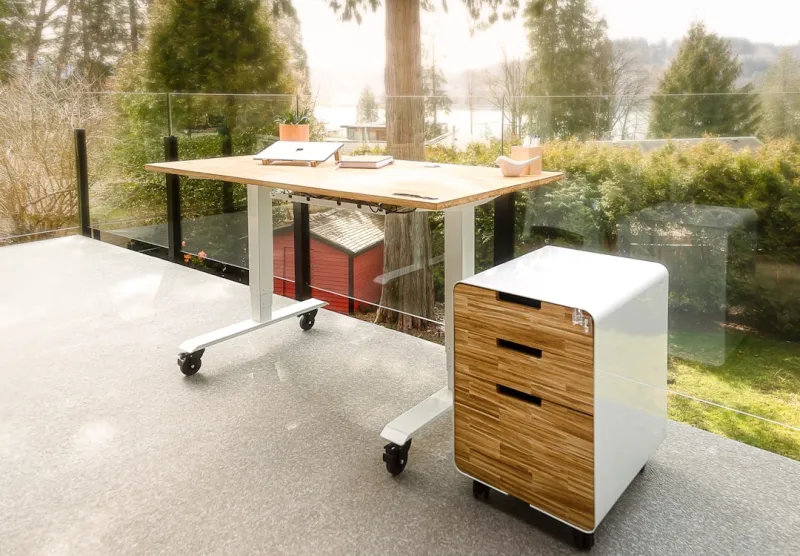
Why the Office is Getting a Breath of Fresh Air
When the pandemic forced us to rethink where work happens, many of us discovered that a window view could be replaced by a canopy of leaves, and the hum of an air‑conditioning unit could be swapped for the gentle chorus of birds. Outdoor workspaces have moved from quirky perk to a strategic business decision, with companies tracking higher engagement scores and lower burnout rates among employees who spend at least a few hours a day under open sky. In my own transition from cramped cubicle to garden desk, I realized that the shift isn’t just about aesthetics—it’s a radical rebalancing of energy, focus, and personal fulfillment that is reshaping what we call “employment” today.
My Personal Journey to the Garden Desk
I used to think the only way to be taken seriously was to sit in a glass‑walled office, typing away while the world outside rushed by, but a weekend spent tending my backyard herb patch sparked an epiphany: my productivity could thrive amidst soil and sunlight. The moment I placed a sturdy tabletop on a weather‑proof stand and connected my laptop to a solar‑powered charger, I felt an unexpected surge of clarity that made every email feel purposeful. For anyone skeptical, check out the Garden Desk Revolution article that dives deeper into why this simple change can overhaul both work and home life.
Mental Health Benefits That Aren’t Just a Trend
Numerous studies now confirm that exposure to natural light and fresh air can lower cortisol levels, boost serotonin, and improve overall mood, meaning that an outdoor desk does more than just look nice—it actively supports mental resilience. When you hear the rustle of leaves instead of the clack of keyboards, your brain switches to a more relaxed alpha state, which research links to better problem‑solving abilities and creative thinking. The subtle shift from artificial fluorescence to daylight also regulates circadian rhythms, helping you maintain energy spikes when you need them most and unwind naturally at the end of the day.
Productivity Gains Backed by Data
Companies that have piloted outdoor work zones report a 12‑15 % increase in task completion rates, alongside a noticeable dip in sick days and turnover, suggesting that the benefits are measurable, not merely anecdotal. Employees claim that the ability to step outside for a quick stretch or a breath of pine‑scented air resets their focus, reducing the time needed to reacquire concentration after distractions. Moreover, the novelty of an outdoor setup often sparks spontaneous collaboration, as teammates gravitate toward shared green spaces for informal brainstorming sessions.
Overcoming the Practical Hurdles
Critics point out that rain, insects, and temperature swings could sabotage the outdoor office, yet simple solutions like waterproof canopies, ergonomic chair cushions, and portable heating pads can turn those obstacles into minor inconveniences. Investing in a reliable Wi‑Fi extender ensures a seamless connection, while a battery‑powered lamp provides consistent lighting for early‑morning or late‑evening work. By treating the garden desk as a flexible platform rather than a static fixture, you can adapt to seasonal changes without sacrificing productivity.
Redefining Employment in the Open Air
The conversation about work environments is evolving, and many thought leaders argue that the next frontier of employment will be defined by how well we integrate nature into daily tasks. In the piece Redefining Employment: Why Outdoor Workspaces Are the New Standard, experts outline how businesses can leverage outdoor spaces to attract top talent and foster a culture of well‑being. By aligning corporate policies with the desire for fresh air, firms not only enhance employee satisfaction but also position themselves as innovators in a rapidly changing labor market.
Future Trends: From Green Roofs to Portable Pods
Looking ahead, we’re likely to see an explosion of modular, weather‑proof pods that can be placed on rooftops, balconies, or even city parks, turning any patch of grass into a fully equipped office. Tech manufacturers are already developing solar‑charged monitors, rugged keyboards, and moisture‑resistant accessories designed specifically for the outdoor professional. As sustainability becomes a core business metric, the synergy between eco‑friendly workspaces and corporate responsibility will become a decisive factor in brand reputation and employee retention.
How to Make the Switch Without Losing Momentum
Start small by designating a corner of your garden or balcony as a “test zone,” outfitting it with a sturdy desk, comfortable seating, and a reliable power source, then gradually increase the time you spend there each week. Communicate your plan with your manager, highlighting the proven productivity and health benefits, and propose a trial period to gauge impact on deliverables. Finally, document your experience—track focus levels, task completion times, and mood changes—to build a compelling case that can inspire colleagues and possibly reshape company policy.
Conclusion: Embracing the Outdoors as the New Workplace Norm
The shift from cubicle walls to garden paths isn’t just a fleeting fad; it’s a profound reimagining of what it means to be “at work,” one that places human well‑being at the center of professional design. As we continue to blur the lines between home, office, and nature, the garden desk emerges as a symbol of freedom, creativity, and resilience in the modern employment landscape. For anyone ready to trade stale air for fresh perspective, the outdoor desk offers a tangible, transformative step toward a more balanced and fulfilling career.

Jimmy Damon loves to right on a large scale of topics with all things Canadian as this Montreal die hard loves hockey. fishing and sports.
Related Posts

Unlocking Career Growth: Mastering Internal Mobility Within Your Company
Learn how internal mobility can become your fastest career accelerator, with practical steps, sponso... Read More

Redesigning Career Paths with a Lattice Mindset
A career lattice offers multidirectional growth, boosting innovation and retention in SaaS. Learn ho... Read More

Why the Four‑Day Workweek Is the Next Big Leap for Employees
Discover why a four‑day workweek isn’t just a perk—it’s a strategic shift that fuels product... Read More
Top Posts

When Your Stress Tracker Becomes a Game: The Rise of Biofeedback Play
Discover how wearable sensors and game mechanics combine to turn stress signals into points, challenges, and community victories, offering a fresh, engaging app...Read More

Cultivating Productivity: How My Garden Became the Ultimate Home Office
Jimmy Damon shares his journey turning a backyard garden into a year‑round, tech‑savvy home office, offering practical tips for design, ergonomics, and seas...Read More

The Hidden Innovation Engine in Human‑Paced Travel
Travel at a human pace isn’t just relaxing—it’s a powerful catalyst for innovation. Learn how mindful movement, minimalist packing, and authentic cultural...Read More

AI as a Thought Partner: Elevating Business Writing and Idea Generation
Discover the power of AI as a thought partner that amplifies business writing, accelerates ideation, and uncovers hidden blind spots, turning routine content cr...Read More
0 Comments
Post Comment
You will need to Login or Register to comment on this post!