
Turn Your Shower Into a Wellness Lab: Hot‑Cold Contrast for Radiant Health
When we think about personal care, the first thing that usually springs to mind is a quick rinse, a splash of shampoo, or a dash of moisturizer. We’ve all become adept at automating those steps, but there’s an ancient practice that many of us overlook: temperature contrast. Alternating hot and cold water isn’t just a spa gimmick; it’s a scientifically backed method to boost circulation, sharpen mental clarity, and even fortify the skin’s natural barrier. In this deep‑dive, I’ll walk you through why temperature play belongs in your daily hygiene routine, how to implement it without feeling like you’re auditioning for a polar expedition, and the cascade of benefits that ripple through body, mind, and even productivity.
The Science Behind the Sizzle and the Chill
Heat dilates blood vessels, increasing blood flow to the skin’s surface. This surge delivers oxygen, nutrients, and immune cells that help repair microscopic damage from daily stressors—think city pollution, screen glare, and that lingering coffee stain on your shirt. Cold, on the other hand, causes vasoconstriction, temporarily narrowing those vessels. When you finish with a cold blast, the body reacts by sending a fresh wave of blood to the surface, flushing out metabolic waste and reducing inflammation.
Research on contrast hydrotherapy shows measurable spikes in endorphin production, a boost in lymphatic drainage, and a short‑term elevation of metabolic rate. The result? A natural, drug‑free lift that can replace that mid‑afternoon coffee jitter without the crash.
Why It’s a Game‑Changer for Personal Care
- Skin Resilience: Hot water opens pores, allowing deep cleansing agents to penetrate. A cold finish then tightens those pores, sealing in moisture and reducing the risk of post‑shower dryness.
- Muscle Recovery: After a long day at a desk or a strenuous workout, alternating temperatures eases tension, mimicking the benefits of a professional sports massage.
- Immune Boost: Regular exposure to brief cold shocks has been linked to increased white‑blood‑cell activity, giving your body a subtle edge against seasonal bugs.
- Mental Sharpness: The shock of cold water stimulates the sympathetic nervous system, sharpening focus—a perfect pre‑meeting ritual.
- Energy Management: A quick hot‑cold sequence can reset your circadian rhythm, helping you stay alert during the day and unwind at night.
Getting Started: The 3‑Step Contrast Protocol
Don’t worry—there’s no need to install a fancy hydro‑massage system. You can begin with the shower you already own. Here’s a straightforward protocol that fits into a typical 10‑minute routine:
- Warm Up (2–3 minutes): Set the water to a comfortable, soothing temperature (around 100°F/38°C). Use this time to cleanse, shave, or exfoliate. The warmth relaxes muscles and opens pores, prepping the skin for deep cleansing.
- Cold Surge (30–60 seconds): Crank the dial down to a brisk, invigorating chill (around 55°F/13°C). Let the water cascade over your face, neck, and arms. The shock triggers a burst of adrenaline and closes pores.
- Repeat (2 cycles): Alternate back to warm for 1–2 minutes, then finish with a final cold burst of 30 seconds. End on cold to lock in the benefits.
For those who find the cold shock intimidating, start with a milder contrast—warm for 3 minutes, cool for 20 seconds—and gradually increase the intensity as your tolerance builds.
Integrating Contrast with Existing Personal Care Practices
Many of us already indulge in crafting a personal scent signature to boost confidence. Pair that aromatic ritual with temperature contrast, and you get a multi‑sensory experience that anchors the moment in memory. Consider spraying a light, citrus‑based mist during the final cold burst. The crisp scent will reinforce the awakening effect of the cold, creating a Pavlovian cue that instantly lifts your mood.
Similarly, if you’ve experimented with breathwork—perhaps you’ve read about breathing resets—combine them. As the cold water hits, practice a 4‑4‑6 breathing pattern: inhale for 4 seconds, hold for 4, exhale for 6. The coordinated effort amplifies the calming influence of the cold while keeping the nervous system balanced.
Advanced Variations for the Curious
Once the basic protocol feels second nature, you can explore variations that target specific outcomes:
1. The “Thermal Ladder” for Athletic Recovery
Begin with a warm soak (5 minutes), transition to a cool shower (2 minutes), then a brief ice rinse (15 seconds) on the limbs. This gradient mimics the post‑training protocols used by professional athletes to reduce lactic acid buildup.
2. The “Morning Invigoration” for Mental Clarity
Start with a lukewarm rinse (1 minute), switch to a sharp cold burst (45 seconds) while performing a quick mental mantra, then finish with a moderate warm splash (30 seconds) to settle the nerves. This sequence boosts alertness without overstimulating the adrenal glands.
3. The “Evening Wind‑Down” for Sleep Quality
Warm water for 4 minutes to relax muscles, followed by a brief cool splash (20 seconds) to lower core body temperature—a key cue for melatonin production. End with a gentle warm rinse to signal the body that it’s time to unwind.
Common Pitfalls and How to Avoid Them
- Too Hot, Too Long: Prolonged exposure to scorching water can strip the skin’s natural oils, leading to dryness and irritation. Keep the warm segment under 4 minutes.
- Extreme Cold Shock: Jumping straight into ice‑cold water can trigger a gasp reflex, which may be dangerous for people with heart conditions. Always transition gradually.
- Skipping Moisturization: After the final cold burst, apply a lightweight moisturizer to seal in hydration. The skin is most receptive when slightly damp.
- Neglecting Breath: Holding your breath during the cold phase can increase tension. Pair the cold with controlled breathing to stay relaxed.
Measuring Success: Tracking Your Progress
Like any personal care habit, the benefits of temperature contrast compound over time. Keep a simple log:
- Note the date, duration of each phase, and water temperature (if you have a thermometer).
- Record subjective metrics: energy levels, skin texture, sleep quality, and mood.
- Every two weeks, review patterns. You’ll likely notice a gradual reduction in morning grogginess, clearer skin, and a heightened sense of resilience during stressful meetings.
For the data‑driven among us, consider pairing this log with a wearable that tracks heart‑rate variability (HRV). A rising HRV trend often correlates with improved autonomic balance—a direct indicator that your contrast routine is working.
Integrating Technology Without Losing the Human Touch
While the core of this practice is analog, modern devices can enhance precision. Smart shower heads can pre‑set temperature intervals, ensuring consistency. Some apps sync with your calendar, prompting you to start the routine before important calls or workouts. The key is to use technology as a facilitator, not a replacement for the mindful pause that makes temperature contrast effective.
Conclusion: From Routine to Ritual
Personal care isn’t just about looking good; it’s about feeling equipped to tackle the day’s challenges. By weaving hot‑cold contrast into your shower, you transform an everyday chore into a potent wellness ritual that sharpens focus, strengthens skin, and boosts immune resilience. The best part? You can start tomorrow, with the water you already have. Embrace the sizzle, welcome the chill, and let the ripple effect extend far beyond the bathroom walls.

David Moore is a freelance writer specializing in two dynamic and ever-evolving fields: gambling and the tech industry. With a keen eye for detail and a knack for unraveling complex topics, David delivers insightful and engaging content that keeps readers informed and entertained.
Related Posts
Elevate Your Personal Care Routine for Remote Success
A practical guide that blends environment, temperature therapy, sustainable products, AI tools, and ... Read More

Sustainable Bathroom Makeover: Reducing Waste One Shelf at a Time
A step‑by‑step guide to overhaul your bathroom, replace single‑use containers with refillable ... Read More
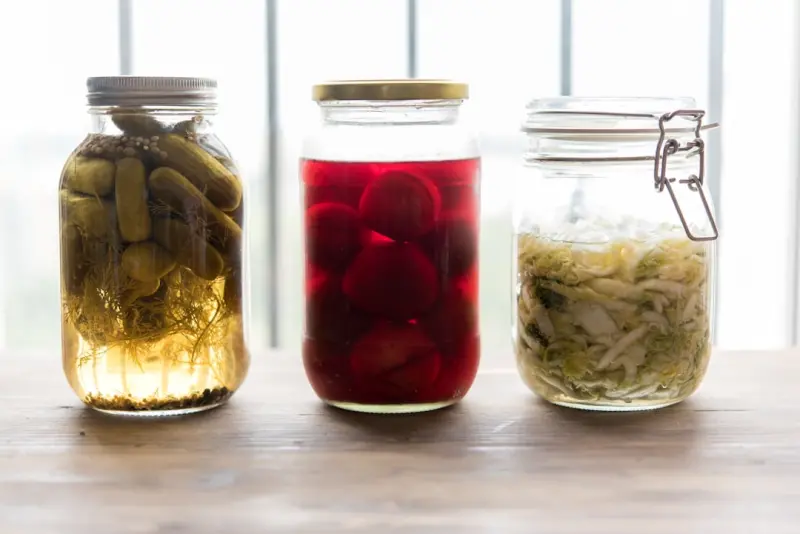
Microbiome‑Friendly Personal Care: DIY Fermentation Meets Probiotic Science
Explore how fermented rice water, probiotic serums, and habit stacking can transform your personal c... Read More
Top Posts

From Garden Soil to Office Success: Rose DesRochers Redefines Home & Garden Living
Rose DesRochers shares her personal journey of turning a garden desk into a powerhouse for productivity and sustainability, offering actionable steps for modern...Read More

Evening Tech Curfew: How a Simple Nighttime Routine Can Rewire Your Brain for Calm
A practical guide to establishing a nighttime technology curfew that eases stress, protects sleep, and supports overall mental well‑being....Read More

How to Turn Every Trip into a Two‑Week Skill‑Swap Sprint
Explore the concept of a skill‑swap sprint, where each journey is designed around learning a local craft or trade, fostering deep connections, personal growth...Read More
AI as a Resilience Engine: Turning Uncertainty into Opportunity
AI isn’t just about speed; it’s about building a resilience engine that anticipates risks, runs dynamic simulations, and automates response—turning uncert...Read More
0 Comments
Post Comment
You will need to Login or Register to comment on this post!