
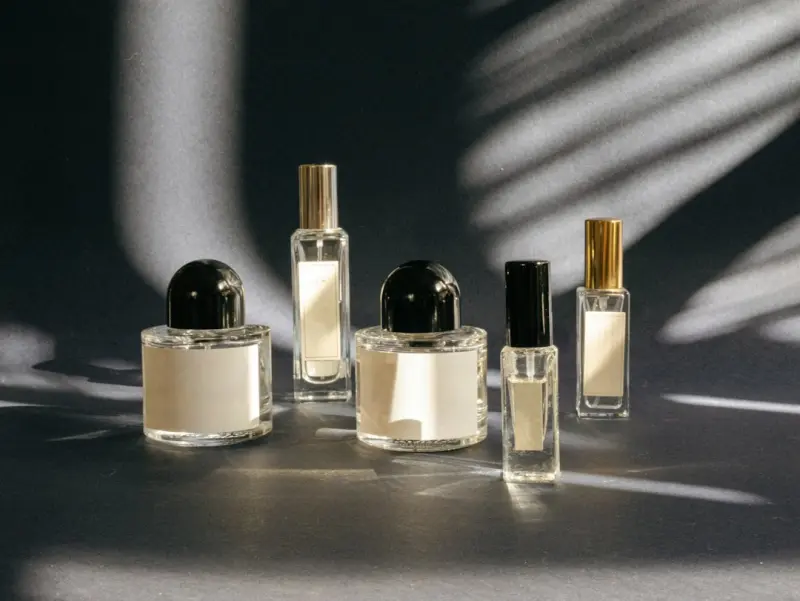
Why Scent Matters More Than You Think
When we talk about personal care, most of us instinctively think of skin, hair, or even the way we dress. Yet there’s an invisible layer that often slips through the cracks: the air we breathe. A carefully chosen fragrance can lift our spirits, sharpen our focus, and even cue our brain to unwind after a long day. The truth is, scent is a silent but powerful ally that can turn an ordinary morning routine into a restorative ritual.
The Science Behind Aroma and Mood
Our sense of smell is the oldest of the five senses, wired directly to the limbic system—the part of the brain that handles emotions, memory, and motivation. Unlike visual or auditory signals, which must travel through several processing hubs, olfactory signals make a beeline to the emotional center. This shortcut explains why a whiff of fresh pine can instantly conjure memories of a winter hike, or why citrus notes can inject a burst of alertness during a mid‑afternoon slump.
Research shows that specific essential oils interact with neurotransmitters. For example, lavender has been linked to increased GABA activity, which helps calm the nervous system, while peppermint can stimulate the release of dopamine, enhancing mental clarity. The subtle dance between scent molecules and brain chemistry is why fragrance‑based personal care is not just about “smelling good”—it’s about feeling good.
Building Your Personal Scent Signature
Creating a signature scent isn’t about splurging on the most expensive perfume; it’s about curating a blend that reflects your lifestyle, goals, and values. Below is a step‑by‑step guide to help you design a fragrance routine that works for you.
- Identify Your Intent. Ask yourself what you want the scent to achieve. Is it to energize you for a busy workday? Calm you before bedtime? Or simply provide a comforting backdrop for creative thinking?
- Choose Your Base Notes. Base notes linger the longest—think sandalwood, cedar, or vanilla. They form the foundation of your scent profile and should align with the core feeling you want to sustain.
- Add Mid‑Notes. These are the “heart” of the fragrance, lasting a few hours. Floral scents like geranium or jasmine, as well as herbal aromas such as rosemary, work well for balance.
- Finish with Top Notes. Citrus, bergamot, or eucalyptus evaporate quickly but make an immediate impression, perfect for a quick mood lift.
- Test in Context. Spray a small amount on a cotton pad and let it sit on your wrist, neck, or the back of your hand while you go about your day. Notice how the scent evolves from the moment you apply it to several hours later.
- Refine and Record. Keep a simple journal of the blends you try, noting the time of day, setting, and emotional response. Over time you’ll see patterns that help you fine‑tune the perfect mix.
Integrating Scent Into Your Daily Routine
Once you have a scent signature, the next step is to weave it seamlessly into your personal care habits. Here are practical ways to make fragrance a constant, supportive presence without overwhelming your senses.
- Morning Wake‑Up. Add a few drops of an invigorating essential oil blend (peppermint + lemon) to a diffuser as you brew coffee. The scent will cue your brain that it’s time to be alert.
- Work‑Day Focus. Keep a portable rollerball of a subtle, concentration‑boosting scent (rosemary + basil) at your desk. A quick glide on your temples can reset mental fatigue.
- Midday Reset. Swap out the diffuser’s oil for a calming aroma like lavender or chamomile during lunch. This signals a transition from high‑energy tasks to a restorative break.
- Evening Wind‑Down. Replace the daytime blend with a soothing base (vanilla + sandalwood) to signal the brain that it’s time to unwind, making bedtime routines smoother.
- Fitness Boost. Spray a light citrus mist on your workout gear before a run. The fresh scent can improve perceived exertion, helping you push a little farther.
Eco‑Friendly and Minimalist Approaches
Personal care is increasingly intersecting with sustainability, and scent is no exception. Instead of reaching for mass‑produced sprays, consider these greener alternatives:
- DIY Essential‑Oil Spritzers. Combine distilled water, a touch of witch hazel, and your favorite essential oil blend in a reusable glass spray bottle.
- Solid Fragrance Balms. Mix beeswax, carrier oil, and essential oils to create a balm you can swipe on pulse points. No aerosol, no waste.
- Reusable Diffuser Pods. Opt for ceramic or wooden diffusers that accept refillable essential‑oil pads, eliminating plastic cartridges.
- Local Plant Sources. Grow aromatics like lavender, mint, or rosemary on a windowsill. Freshly harvested leaves can be crushed for an instant burst of scent.
These approaches not only reduce your carbon footprint but also give you more control over the ingredients that touch your skin and lungs.
Tech‑Enabled Scent Experiences
While the core of scent is natural chemistry, technology can amplify its impact. how connected tech is reshaping self‑care opens new doors for personalized aromatherapy. Smart diffusers, for instance, can sync with your calendar, releasing an energizing blend right before a scheduled meeting or a calming aroma before a meditation session. Some devices even adjust intensity based on ambient light levels, ensuring the scent never feels overpowering.
For the data‑driven, wearable scent dispensers are emerging that release micro‑doses of aroma in response to biometric feedback—like heart‑rate spikes or stress‑level alerts. Imagine a smartwatch that detects rising cortisol and triggers a brief lavender burst to help you regain composure without you having to lift a finger.
Combining Scent With Other Sensory Practices
Scent works best when it’s part of a multi‑sensory routine. Pairing aroma with sound, touch, or visual cues can create a holistic environment that reinforces your desired state.
- Sound & Scent. Play soft instrumental music while diffusing a calming blend to deepen relaxation during evening reading.
- Touch & Scent. Use a plush, warm blanket alongside a vanilla‑infused spray for an extra layer of comfort on chilly nights.
- Light & Scent. Coordinate warm amber lighting with a citrus‑spiced aroma during creative brainstorming to stimulate both visual and olfactory pathways.
The Role of Scent in Professional Presence
In many professional settings, a subtle, well‑chosen fragrance can become part of your personal brand. It’s not about overpowering the room; rather, it’s about leaving a subtle, memorable impression that aligns with your values. A light, green‑tea scent can suggest freshness and clarity, while a warm amber note might convey confidence and approachability. When combined with a polished appearance and confident communication, scent can act as an invisible “handshake” that reinforces trust.
Mindful Scent Practices for Stress Reduction
Stress isn’t just a mental state; it has physiological markers like elevated heart rate and shallow breathing. Incorporating scent into short, mindful pauses can lower those markers. Try a three‑minute “scent meditation”: close your eyes, inhale deeply through the nose, focus on the aroma’s nuances, then exhale slowly. Repeating this practice a few times a day can rewire your stress response, much like a quick breathwork session but with the added benefit of olfactory stimulation.
Seasonal Scent Swaps
Just as your wardrobe changes with the seasons, so can your fragrance routine. In colder months, richer, grounding scents such as cedarwood, clove, and amber help create a sense of warmth. In spring and summer, lighter, floral or citrus notes can lift mood and complement the longer daylight hours. Rotating scents keeps your routine fresh and prevents olfactory fatigue.
From Scent to Storytelling
Every fragrance you choose tells a story about who you are in that moment. By curating a small “scent library,” you can select a narrative that matches the day’s agenda—whether you’re leading a presentation, brainstorming a new project, or unwinding after a marathon of meetings. Over time, these scent‑linked memories become automatic triggers, making your personal care routine a powerful tool for emotional regulation.
Conclusion: Make Your Air Your Ally
Personal care is evolving beyond the visible. By intentionally incorporating scent into your daily life, you gain a low‑effort, high‑impact strategy for enhancing mood, focus, and overall well‑being. Whether you craft a DIY spritzer, invest in a smart diffuser, or simply keep a potted lavender plant on your windowsill, the key is consistency and mindfulness. Let the invisible become visible in the way you feel, work, and connect with the world around you.
Ready to start your scent journey? Explore more about how simple habit changes can transform your home environment with small habit hacks for a fragrant home. Your nose knows best—listen to it.

Amanda is a passionate writer exploring a kaleidoscope of topics from lifestyle to travel and everything in between.
Related Posts
Unlocking Peak Performance Through Intentional Personal Care
A high‑performer’s bathroom can be a hidden engine of productivity. Learn to audit products, ali... Read More
Botanical Boost: Turning Everyday Herbs into High‑Performance Personal Care Rituals
Learn to transform common kitchen herbs into powerful personal‑care rituals with simple extraction... Read More
Beyond Clean: How Multi‑Sensory Routines Elevate Everyday Personal Care
A practical guide to turning ordinary personal care moments into multi‑sensory rituals that improv... Read More
Top Posts
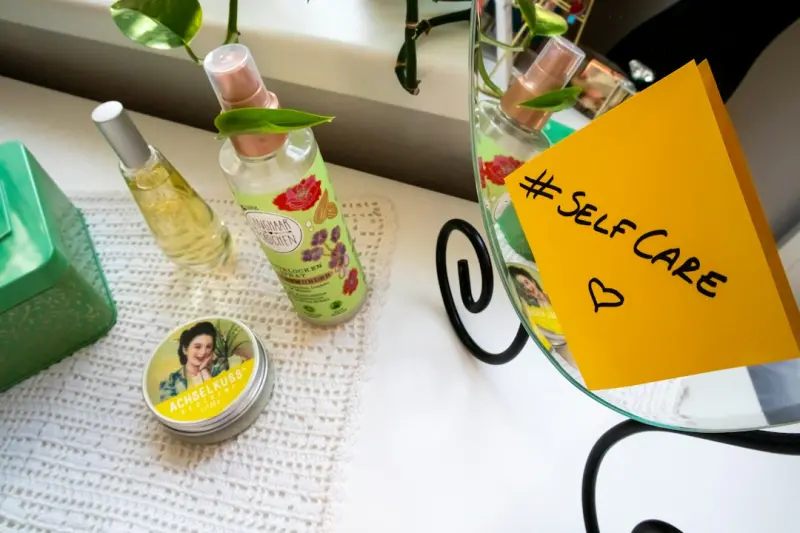
Reimagining Personal Care as a Sensory‑Driven Creative Ritual
Discover how to transform routine personal care into a creative, sensory‑rich ritual using colors, sounds, textures, and simple DIY hacks that elevate mood an...Read More

Pop‑Up Co‑Living Pods: Rethinking City Travel for Shared Living Experiences
Pop‑up co‑living pods turn vacant city spaces into vibrant, short‑term homes where travelers share kitchens, workspaces, and stories, offering a fresh, co...Read More
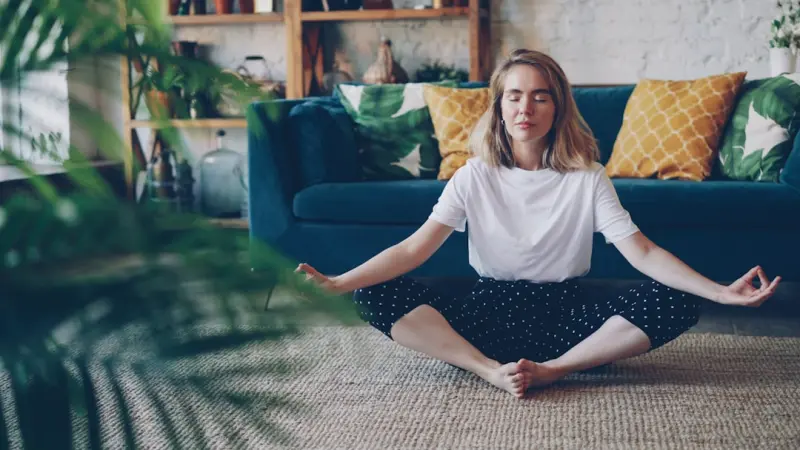
Create a Stress‑Free Home Sanctuary on a Budget
Turn your living space into a calming sanctuary without costly renovations by decluttering purposefully, layering lighting, adding soothing scents, and embracin...Read More

Beyond the Tourist Trail: Curiosity‑Led Travel for Real Connection
Explore a fresh travel mindset that swaps checklists for questions, embraces unplanned detours, and uses simple tools to turn every journey into a meaningful, s...Read More
0 Comments
Post Comment
You will need to Login or Register to comment on this post!