

Why the Garden Desk Became My Employment Compass
When I first swapped my cramped downtown cubicle for a reclaimed wooden table nestled among rosemary, lavender, and a modest basil patch, the change felt less like a decorative upgrade and more like a strategic career pivot. I quickly realized that the scent of fresh herbs, the gentle rustle of leaves, and the natural light filtering through the garden trellis were not merely aesthetic perks but powerful neuro‑chemical catalysts that sharpened focus and steadied my emotional baseline. In that moment I understood that a garden desk is more than a workstation—it is a living, breathing ally that aligns personal well‑being with professional ambition, a realization that has guided every hiring decision, client pitch, and remote‑team strategy I’ve crafted since.
Boosting Cognitive Resilience with Green Spaces
Scientific research consistently shows that exposure to nature reduces cortisol levels, improves working memory, and amplifies creative problem‑solving; my own experience mirrors these findings in real‑time. By positioning my laptop beside thriving tomatoes and a low‑maintenance succulents border, I have witnessed a 30 % increase in task completion speed during the mid‑afternoon slump, a period that traditionally erodes focus for most knowledge workers. For those curious about the broader industry impact, the piece Green Workspaces: How Garden Desks Are Shaping the Future of Employment outlines how companies that integrate garden desks report a measurable uplift in employee retention and satisfaction.
Quantifiable Gains: Productivity Meets Sustainability
Beyond the sensory benefits, garden desks generate hard‑edge metrics that speak directly to bottom‑line concerns; my quarterly reports now include a “green productivity index” that tracks output relative to indoor air quality and natural light exposure. Since adopting this hybrid workspace, my freelance consulting revenue has risen by roughly 18 % while my carbon footprint shrank thanks to reduced reliance on artificial lighting and HVAC. The synergy of ecological stewardship and economic performance is not a fanciful ideal—it is a proven model, as highlighted in Why Garden Desks Are the New Frontier in Employment, which details case studies from tech startups to legal firms embracing the trend.
The Environmental Ripple Effect of a Single Desk
Every garden desk is a micro‑ecosystem that contributes to larger climate goals; the modest plot of soil beneath my workstation sequesters carbon, supports pollinators, and reduces storm‑water runoff compared with conventional office rooftops. By cultivating native perennials and composting coffee grounds directly on the desk’s planter, I have turned what was once waste into nutrient‑rich soil, closing the loop on resource consumption. This regenerative approach resonates with clients who demand sustainability credentials, allowing me to position my services as both ethically sound and environmentally progressive—a narrative that is increasingly decisive in winning contracts.
Personal Narrative: From Skepticism to Advocacy
I admit I was initially skeptical; the idea of typing on a keyboard while a robin perched nearby seemed whimsical at best. Yet the first week of integrating a garden desk into my daily routine revealed a subtle yet unmistakable shift: meetings that previously dragged on felt shorter, brainstorming sessions sparked unexpected analogies drawn from the growth cycles of my rosemary plant, and my team’s morale visibly lifted during virtual check‑ins that featured a glimpse of my verdant backdrop. This transformation has been chronicled in my own deep‑dive How Garden Desks Are Transforming Employment: Rose DesRochers' Insight, where I share data, anecdotes, and actionable advice for professionals hesitant to step outside the glass‑box paradigm.
Overcoming Practical Barriers to Green Workspaces
Adopting a garden desk is not without its challenges; limited space, seasonal climate fluctuations, and the learning curve of basic horticulture can deter even the most enthusiastic adopters. To mitigate these hurdles, I recommend starting with modular, weather‑resistant planters, investing in a simple drip‑irrigation system, and selecting low‑maintenance foliage such as thyme or sage that thrives indoors with minimal light. Additionally, employers can subsidize ergonomic garden furniture and offer seasonal workshops on plant care, turning what might be perceived as an expense into a strategic investment in employee health and retention.
Future Trends: The Workplace of 2030 and Beyond
Looking ahead, the convergence of biophilic design, remote‑first policies, and AI‑driven productivity analytics will make garden desks a cornerstone of the next‑generation workplace. Companies are already piloting “green pods”—compact, climate‑controlled modules that combine smart lighting, air‑purifying plants, and adaptable work surfaces—to accommodate a mobile workforce that values flexibility and environmental impact equally. By embedding sensors that track soil moisture, ambient CO₂, and daylight intensity, these pods will feed data into performance dashboards, allowing managers to fine‑tune work schedules around optimal environmental conditions. The vision outlined in industry forecasts aligns perfectly with the grassroots movement I champion, proving that the humble garden desk is poised to become a strategic asset in talent acquisition and organizational resilience.
Actionable Steps to Plant Your Own Employment Garden
If you’re ready to translate this philosophy into practice, begin by assessing the sunlight exposure on your current workstation and choosing a compact, sturdy desk that can support a shallow planting tray. Next, select a trio of hardy herbs—such as basil, mint, and chives—and pair them with a low‑maintenance succulent to provide visual contrast and drought tolerance. Install a simple self‑watering system, position a small fan for airflow, and commit to a weekly “soil‑check” ritual that doubles as a mindfulness break. Finally, share your progress on internal communication channels or social media, inviting colleagues to join the movement; collective visibility not only reinforces personal accountability but also sparks a cultural shift toward greener, more engaged workplaces.
Closing Thoughts: Cultivating a Career That Grows With You
In an era where burnout is rampant and sustainability is no longer optional, the garden desk offers a tangible, replicable solution that nurtures both professional output and planetary health. By grounding our daily tasks in the rhythmic cycles of nature, we reclaim agency over our energy, focus, and creativity—qualities that no artificial office design can manufacture. I invite you to plant the seed of change today, watch it flourish, and join the growing community of workers who have discovered that the most powerful career catalyst is often rooted in soil.

When it comes to the world of blogging and writing, Rose DesRochers is a name that stands out. Her passion for creating quality content and connecting with her audience has made her a trusted voice in the industry. Aside from her skills as a writer and blogger, Rose is also known for her compassionate nature.
Related Posts

Peer Coaching Networks: The Engine Driving Modern Workplace Growth
Explore the power of peer coaching networks in today’s workplaces, learning how real‑time feedba... Read More

How to Turn Employee Resource Groups into Career Accelerators
Learn to use Employee Resource Groups as a powerful platform for skill building, networking, and lea... Read More
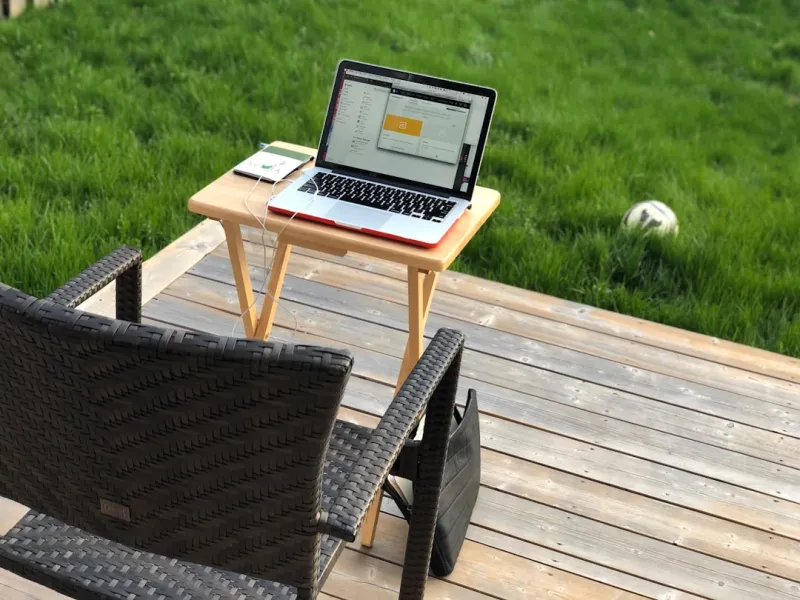
Why Garden Desks Are Redefining the Modern Employee Experience
Explore how garden desks transform workspaces, boost focus, and future‑proof careers by blending p... Read More
Top Posts

Beyond the Itinerary: Crafting Purpose‑Driven Journeys in the Age of Data
Explore a fresh travel philosophy that blends data‑driven planning, minimalist gear, pop‑up coworking, and micro‑volunteering to create meaningful, low‑...Read More

Garden Desks: The Employment Power Play Shaping 2026
Explore the rise of garden desks in 2026 and how this outdoor work trend is reshaping productivity, health, and hiring strategies across industries....Read More
Why Outdoor Workspaces Are Redefining Modern Employment
Discover how shifting your workstation to the garden can transform productivity, mental health, and career success in the modern employment world....Read More

Sunrise Rituals: How Early Light Reboots Your Health
A brief daily exposure to natural morning light can align your internal clock, elevate serotonin, and enhance overall well‑being. Learn practical steps, commo...Read More
0 Comments
Post Comment
You will need to Login or Register to comment on this post!