

Why Your Bathroom Deserves a Sustainable Overhaul
When I first stared at the cluttered shelves of my bathroom, I felt a familiar pang of guilt. The rows of single‑use bottles, half‑empty tubes, and plastic wrappers whispered a story I didn’t want to hear: a story of convenience at the planet’s expense. As someone who has spent years curating rituals that nurture both mind and body, I realized that my personal care routine was an unintentional contributor to the waste crisis.
In this piece, I’ll walk you through a practical, step‑by‑step transformation of your bathroom into a hub of sustainable personal care. It isn’t about abandoning the products you love; it’s about rethinking how you source, store, and use them so that you can feel good about looking good.
The Hidden Environmental Cost of Everyday Essentials
Most of us assume that the only impact of a shampoo bottle or a deodorant stick ends when we toss it in the bin. In reality, the life cycle of a typical personal‑care product involves raw‑material extraction, manufacturing emissions, transportation fuel, and finally, landfill or incineration. A single 200‑ml plastic shampoo bottle can generate up to 30 grams of CO₂—roughly the amount emitted by a short car ride.
Beyond carbon footprints, micro‑plastics shed from rinse‑off products infiltrate waterways, ending up in marine life and, ultimately, our food chain. The problem isn’t isolated to “big‑brand” items; even boutique, “natural” products can be packaged in non‑recyclable containers.
Step One: Conduct a Personal Care Audit
Before you can make any meaningful changes, you need to understand what you currently own. Pull every bottle, jar, and tube out of the cabinet and line them up. For each item, ask yourself:
- Do I use this product daily, weekly, or rarely?
- Is the packaging recyclable, biodegradable, or reusable?
- Can I find a refill or bulk alternative?
- Does this product truly meet my skin, hair, or body needs, or am I holding onto it out of habit?
Record your findings in a simple spreadsheet or, if you’re a fan of quick habits, try Micro‑Journaling: The 5‑Minute Habit That Transforms Your Mind to note observations each night. This brief reflective practice helps you see patterns you might otherwise miss.
Step Two: Prioritize Refillable and Bulk Solutions
Refillable systems have surged in popularity, yet many consumers remain unaware of the breadth of options. Here are three categories worth exploring:
- Refill Pods: Brands now offer concentrated shampoo or body wash pods that dissolve in a reusable bottle. You purchase a single, sturdy container and swap out the pod whenever it runs out.
- Bulk Dispensers: Think of a large, airtight jar for facial cleansers or a stainless‑steel pump for hand soap. Buying in bulk reduces packaging per unit dramatically.
- Solid Alternatives: Solid shampoo bars, conditioner cubes, and soap “nutrient bars” eliminate liquid packaging altogether. They often come wrapped in compostable paper.
When selecting these products, look for certifications such as “plastic‑free” or “recyclable packaging.” Remember, a solid bar isn’t automatically eco‑friendly; the ingredients and production methods matter too.
Step Three: Embrace Multi‑Functional Products
One of the smartest ways to reduce waste is to consolidate your product lineup. Multi‑functional items serve multiple purposes, trimming the number of containers you need. A few examples include:
- All‑in‑One Cleanser: A gentle facial cleanser that works as a makeup remover and a light exfoliator.
- Moisturizing Body Wash: A hydrating formula that doubles as a daily moisturizer, allowing you to skip a separate lotion.
- Hair‑Conditioning Spray: A leave‑in mist that can also tame frizz on the go, replacing a separate styling gel.
While convenience is key, always prioritize skin‑type compatibility. A product that tries to do too much may compromise efficacy, leading you back to purchasing additional items.
Step Four: Store Smarter, Use Faster
Even after you’ve swapped out most of your wasteful containers, the way you store the remaining products can affect how long they stay fresh. Follow these tips:
- Cool, Dark Spaces: Heat and light degrade active ingredients. Keep bottles away from direct sunlight—consider a shaded cabinet or a decorative box.
- Air‑Tight Containers: For powders and dry products, use airtight jars to prevent moisture absorption, which can cause clumping and spoilage.
- Label with Dates: Write the opening date on each product. Many cosmetics have a 12‑month “period‑after‑opening” rule; knowing the timeline prevents waste from expired goods.
Step Five: Recycle, Repurpose, or Return
Not every item can be eliminated, but you can still give it a second life:
- Recycle Correctly: Follow your local recycling guidelines. Some plastics require special handling, so check the resin number (e.g., #1 PET, #5 PP).
- Creative Repurposing: Empty glass jars make charming storage for cotton balls, swabs, or DIY skincare mixes. A recycled bottle can become a plant watering device.
- Take‑Back Programs: Many brands now offer mail‑in or in‑store return schemes for used containers. They clean, refurbish, and refill them, closing the loop.
Integrating Mindful Moments into Your Sustainable Routine
Personal care isn’t just about the external; it’s also a chance to nurture mental well‑being. After you’ve streamlined your products, try adding a brief pause before you begin each routine. This can be a moment of gratitude for the earth‑friendly choices you’ve made, or a quick breathwork exercise to center yourself.
If you enjoy exploring curiosity as a mental boost, consider reading Playful Curiosity: A Secret Weapon for Adult Mental Wellness while you wait for your face mask to set. Engaging the brain in a light, enjoyable way turns an ordinary shower into a holistic wellness session.
Technology’s Role: Smart Refills and Data‑Driven Choices
While this article focuses on low‑tech strategies, there’s a growing intersection of technology and sustainable personal care. Smart dispensers equipped with Bluetooth can track usage patterns and alert you when it’s time to order a refill. Some apps even calculate the carbon savings from each refill compared to buying a new bottle.
These tools echo the insights from The Future of Personal Care: Bio‑Smart Grooming in a Hyper‑Connected World, but they are grounded in everyday practicality rather than speculative futures. You don’t need a fully connected home; a simple QR code on a refill pod can link you to a tracking dashboard on your phone.
Measuring Your Impact: Simple Metrics to Track
Seeing tangible results fuels motivation. Here are three easy metrics you can log:
- Plastic Saved (grams): Estimate the weight of each reusable container you replace. Over a year, these numbers add up quickly.
- Carbon Reduction (kg CO₂): Use online calculators that factor in the type of product, weight, and travel distance to estimate emissions saved.
- Cost Savings ($): Refills and bulk purchases typically cost 30‑50 % less than individual units. Track monthly spending to see the financial upside.
Community and Collaboration
Changing your bathroom habits doesn’t have to be a solitary endeavor. Share your refill finds on social platforms, join local “zero‑waste” meetups, or start a swap circle with friends. Collective purchasing can lower costs and encourage brands to expand their refill lines.
Conclusion: A Small Space, A Big Statement
Your bathroom may be one of the smallest rooms in your home, but it holds a surprisingly large influence on your environmental footprint. By auditing your products, embracing refillable solutions, consolidating functions, storing intelligently, and repurposing waste, you create a ripple effect that reaches beyond the tiles.
Each mindful choice you make signals to the market that sustainability is not a niche concern—it’s a mainstream expectation. As more of us adopt these habits, manufacturers will feel the pressure to redesign packaging, develop refill ecosystems, and prioritize eco‑friendly sourcing. In that way, a single bathroom makeover becomes a catalyst for industry‑wide change.
Take the first step today: open your cabinet, write down what you have, and envision a cleaner, greener, and more intentional personal care space. Your skin, your mind, and the planet will thank you.

Margaret Thomson is a seasoned freelance writer specializing in the dynamic worlds of marketing and advertising. With a career deeply rooted in the marketing field, Margaret brings a wealth of practical experience and insightful knowledge to her writing.
Related Posts
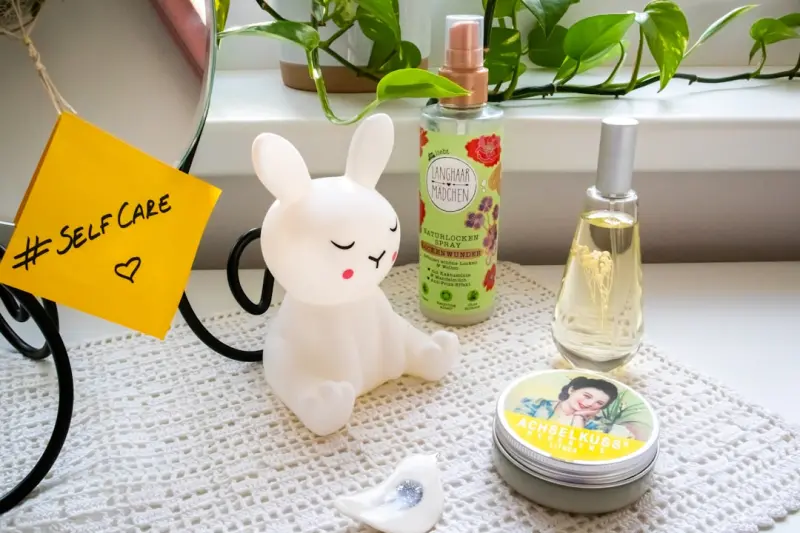
Simplify Your Personal Care for a Radiant Glow
A personal care routine doesn’t need to be complex. Learn how to streamline your steps, focus on t... Read More

The Future of Personal Care: Bio‑Smart Grooming in a Hyper‑Connected World
A deep dive into how data‑driven devices, microbiome‑focused formulas, and clutter‑free groomi... Read More
Reimagining Personal Care: The Zero‑Waste, Tech‑Enabled Routine for Modern Lifestyles
A guide to blending zero‑waste products with smart sensor data, offering a sustainable, personaliz... Read More
Top Posts

Why Your Breath Holds the Key to Everyday Vitality
A practical guide to harnessing breathwork for stress reduction, better sleep, and daily vitality, featuring easy techniques, integration tips, and measurable b...Read More

Zero‑Waste Personal Care: Transform Your Bathroom into a Sustainable Sanctuary
Discover a step‑by‑step blueprint for turning your bathroom into a zero‑waste sanctuary, featuring refillable systems, multi‑purpose products, and habit...Read More

Garden Desks: How Outdoor Workspaces Are Redefining Home & Garden Living
A personal journey reveals how turning a backyard into a garden desk can boost focus, reduce stress, and reshape modern home living....Read More

Soundscapes for Mental Resilience: How Auditory Environments Boost Well‑Being
Explore the science behind sound therapy and get actionable tips to create personalized soundscapes that calm anxiety, sharpen focus, and support emotional bala...Read More
0 Comments
Post Comment
You will need to Login or Register to comment on this post!